People That Know Child Abuse
We know that the punishment model does not facilitate healing or learning – It is responsible for most failed grade level reading, math and history scores. It is a primary reason for underperforming schools.
DetailsWe know that the punishment model does not facilitate healing or learning – It is responsible for most failed grade level reading, math and history scores. It is a primary reason for underperforming schools.
DetailsChild protection systems too often expose children to continued abuse and neglect instead of keeping them safe. This article explains what that means and offers concrete “what I can do” options for any reader who wants to help at risk children in their community from sharing investigative reports with state reps, to raising awareness, inviting speakers, supporting nonprofits, and exploring direct volunteer roles in my community.
DetailsAmerica’s children are living through a historic experiment: what happens when a president dismantles the programs that feed them, teach them, heal them, and protect them. Under this administration, at risk children face more hunger, less health care, fewer early education opportunities, harsher immigration enforcement, and weaker child protection. This post explains what the future holds for America’s at risk children and what we must do now to change that.
DetailsA practical guide to helping at-risk teens with 25 national organizations, volunteer options, websites, and contact information.
DetailsChild welfare systems across the country are facing a deepening placement crisis. As group homes, residential treatment centers, and detention beds have closed without real alternatives, older youth with high-intensity behavioral and developmental needs are being warehoused in hotels, emergency rooms, and psychiatric hospitals. KARA presents Judith Schagrin’s essential article on how we got here and why policymakers must rethink residential care, remedy the unintended consequences of the Family First Prevention Services Act, and build safe, humane options for children who cannot live at home.
DetailsCASA Guardian ad Litem volunteers stand beside abused and neglected children in court, offering time, continuity, and a purely child focused voice. Here, CASAs explain their role in their own words, and we outline how you can explore becoming a CASA volunteer yourself.
DetailsA federal judge recently told Texas child welfare officials that “children are dying on your watch” and accused them of protecting their bureaucracy instead of children. Minnesota’s own record of child fatalities from maltreatment including the catastrophic failure that led to four-year-old Eric Dean and five-year-old Kendrea Johnson and so many others: https://safepassageforchildren.org/wp-content/uploads/2024/01/Safe-Passage-for-Children-Child-Fatality-Report_Year-2_2022-2023.pdf shows this is not just one state’s problem.
DetailsProject 2025 and allied budget plans would slash or eliminate programs that children rely on for health care, nutrition, early childhood education, civil rights protections, and child welfare support. KARA summarizes CWLA and other advocates’ warnings, shows how child poverty and hunger are already rising, and urges you to share this information and call your lawmakers before more supports for kids disappear.
DetailsMost CPS reporting gives lawmakers only snapshots: how many kids are in care today, how many reports this year. KARA argues that counties must keep de identified, family level longitudinal records so legislators can see multi generational involvement, understand which interventions reduce repeat removals, and design policies that break cycles of trauma instead of just managing them case by case, year by year.
DetailsMinnesota’s new Supreme Court Council on Child Protection and Maltreatment Prevention is building a statewide blueprint to prevent child abuse and improve how the system works for families once they’re involved. Safe Passage helped launch this effort and is now tracking early reforms from Family Resource Centers to better training, legal representation, and foster youth supports and highlighting ways stakeholders can give input.
DetailsPhysicians are often the first and only trusted adults able to see the hidden injuries of child abuse and neglect. This post explains what physicians can do about child abuse: recognize red flags, use ACEs and trauma‑informed care, act on reasonable suspicion, and advocate so fewer children suffer in silence and more find safety and healing.
DetailsChild Protective Services operates with a level of secrecy that would never be accepted in schools or law enforcement. This post explains how CPS hides outcome data even as children suffer and die in state involved cases, how other nations criminalize violence against children that we routinely tolerate, and why real transparency and metrics are essential if we want to protect at risk kids instead of producing more trauma.
DetailsCPS reality check in the current political battle for community CASA guardian ad Litems in MN. To put it bluntly, what’s good for the administrators often may be bad for the children.
DetailsAcross the U.S., group homes and child treatment centers are under scrutiny for harming the very foster youth they are supposed to help. This KARA report brings together recent investigations, mental health data, and youth voices to show how unsafe congregate care deepens trauma, why some facilities are being closed, and what it would take to build real, family based alternatives instead.
DetailsMandated reporters: teachers, clinicians, social workers, childcare staff, clergy and others are often the only adults who see the hidden signs of child abuse and neglect. This article explains what mandated reporters can do: recognize red flags, act on reasonable suspicion, report and document clearly, push past institutional pressure, and stay emotionally supported while protecting children.
DetailsChildcare workers are often the first adults outside the family to see what very young children cannot yet say in words. This article shows how they can recognize early signs of abuse and trauma, act as courageous mandated reporters, and create trauma‑informed classrooms that give infants, toddlers, and preschoolers a sense of safety, trust, and resilience from the very earliest years.
DetailsChild Protective Services (CPS) can’t keep children safe (or alive) in opposition to State and Federal law.
DetailsSchool boards decide whether schools become trauma informed, healing environments or systems that deepen harm. This chapter explains what boards can do: make trauma and child safety central to district strategy, fund early identification and support services, reshape policing and discipline around healing and equity, protect relationship-based learning, and demand transparent, equity focused metrics and community partnerships so vulnerable students are seen, supported, and able to succeed.
DetailsTeachers are often the only steady adults who see what traumatized students live through. This chapter explains what teachers can do: recognize trauma as common and real, teach and discipline through a trauma informed lens, build trust, adapt academics with flexibility, report concerns, collaborate with school and community professionals, create healing classroom climates, and care for their own wellbeing so they can keep changing students’ lives.
DetailsWorking with childhood trauma is hard, but parents are not powerless. This chapter explains what childhood and family level trauma mean today, how they show up as “behavior,” and what parents can do: recognize patterns in their own histories, focus on safety and emotional regulation at home, seek trauma informed help, partner with schools and community supports, and deliberately build resilience and new, healthier family traditions.
DetailsJerry Lee Lewis marrying 13‑year‑old Myra Brown isn’t just a strange story from the past. Child marriage is still legal in most U.S. states, creating America child brides whose trauma and rights we pretend not to see.
DetailsWhen child protection systems worship efficiency, children lose. Ned’s metaphor and KARA’s data reveal how underfunded CASAs and overloaded workers leave abused kids without a voice in court or in their own life.
DetailsThis KARA article revisits the Rana Plaza factory collapse through the eyes of child workers and victims’ children, showing how weak corporate responsibility scars young lives long after the rubble is cleared.
DetailsThis article traces the Rana Plaza factory collapse, the political and corporate failures that enabled it, and post disaster responses like the Bangladesh Accord and Safety Agreement.
DetailsSchool principals and administrators are on the front lines of childhood trauma and healing. This chapter explains what they can do: create trauma informed school climates, implement early screening and embedded support services, reshape discipline away from zero tolerance, build robust mental health and wellness systems, engage families and community partners, and advocate for policies and funding that keep vulnerable students safe and help them heal.
Details“I’m sorry, Javaris,” I said after sentencing. “I can’t excuse your crimes, but somehow I think that we failed you too. Your family failed you, the system failed you.”
DetailsChildren in the U.S. are still being tried as adults and sentenced to die in prison. This post explains how juvenile life sentences work, the trauma and racial injustice they reflect, what adult prisons do to kids, and where real reform is finally beginning to take hold.
DetailsStar Tribune investigations reveal how Minnesota’s Family Assessment track allowed severe child abuse to continue and sometimes end in child death. KARA unpacks what went wrong, why it matters, and how you can help protect children and support CASA guardians ad litem.
DetailsAbused and neglected children cannot speak for themselves. Watch KARA’s award‑winning video and learn how CASA volunteers and informed adults can speak up, protect kids, and push lawmakers to improve child protection systems.
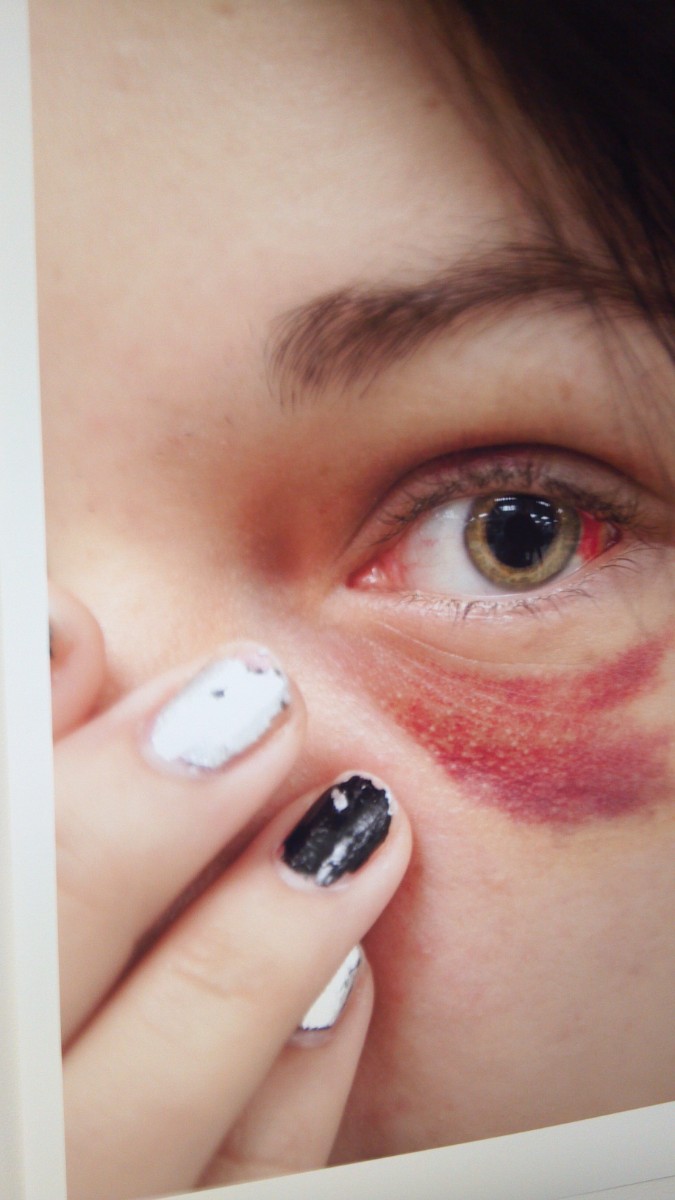
Volunteer CASA Guardians ad Litem spend their days with abused and neglected children that have been raped, neglected, beaten, and tortured by other means.
DetailsKARA Conversations brings experienced child advocacy speakers to your classroom, congregation, nonprofit or civic group for short, powerful Zoom sessions on child abuse, childhood trauma and how Child Protective Services really works. Choose a 30 minute overview with Q&A or a customized 60 minute event, and help the people where you live move from concern to concrete action for children.
DetailsKids At Risk Action presented a workshop at the fourth annual Youth Assembly at the United Nations in New York
DetailsAn investigative report from Pennsylvania’s TribLive found that nearly 30% of 845 child deaths and near-deaths from 2018–2022 were tied to parental drug use—often in families already known to Child Protective Services. Similar patterns are emerging in Minnesota, Allegheny County and other states. This KARA article shares real children’s stories, shows how CPS and child-fatality systems are failing to track the true scale of drug-related child deaths, and calls on adults everywhere to demand better data, oversight and protection.
DetailsGlobal value chains and fast‑fashion business models do not just “reflect” child labour in countries like Bangladesh – they help design it into the system. Research by Eshanee Singh, Michael Nielsen and the CLARISSA programme shows how multinational buyers, through relentless pressure for lower prices and faster production, push risks and costs down onto informal workshops and necessity‑driven family businesses, where employing children often becomes the only way to survive. Instead of treating child labour as a distant cultural problem, this work makes clear that it is a predictable outcome of corporate decisions in boardrooms and purchasing offices, and that real change will come only when citizens, consumers and investors demand supply chains that value children’s lives more than shareholders’ dividends.
DetailsGlobal value chains and multinational enterprises hold enormous power over labour practices in Bangladesh’s garment and leather industries. As responsibility for working conditions shifts from the state toward corporate social responsibility, under resourced labour inspectorates and export dependent strategies leave child labour embedded in business models.
This post uses Michael E. Nielsen’s 2005 analysis and CLARISSA’s research to show how precarious contracts, foreign loans, rising material costs and fragmented supply chains push informal enterprises to cut labour costs by relying on children. It argues that corporate acceptance of “that’s just the way things are done over there” hides the real drivers of child labour and that both nation states and corporations must change how they structure production if they are serious about ending exploitation.
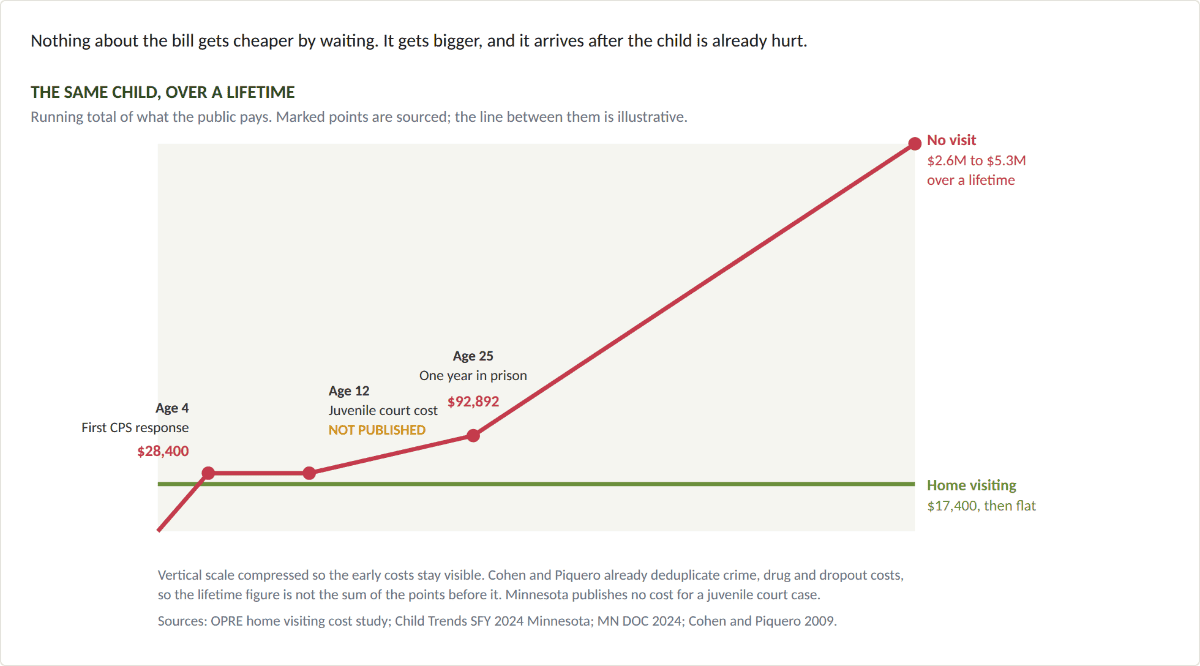
Child Protective Services is one of the least understood and least transparent systems we fund, even though childhood trauma drives enormous costs in education, health care, crime, and prisons. This KARA article argues that taxpayers, children, and communities are all paying for our blind spots around CPS, shows how negative narratives and politics are pushing the system into crisis, and calls on readers to demand real data and trauma-informed reform.
DetailsRepeated childhood trauma does cruel things to children. Things that never go away. Those things (behaviors/thoughts/self-harm/suicide) can be managed with help. Without help, depression, pain and sadness often become overwhelming.
DetailsArizona rebuilt its child welfare agency in 2014 after 6,554 child abuse reports were marked “not investigated,” but new audits, deaths, and lawsuits show the same failure patterns emerging under a different name. This KARA deep dive consolidates Arizona’s own data, fatality reviews, and court records to expose how delays, documentation gaps, group home overreliance, and chronic turnover are still putting children at risk—and what that means for real reform.
DetailsThe Alaska Children’s Alliance warns that Alaska has “some of the highest rates of child abuse and neglect in the nation,” noting research that 38% of children born in Alaska will be reported to child welfare before age 10 and nearly 1 in 7 will face an allegation of sexual abuse before age 12
DetailsStudent‑on‑teacher violence is rising in Minnesota classrooms, and trauma is walking through the door long before the school bell rings. Children who grow up with beatings, sexual abuse, and neglect often bring survival‑brain reactions into class, turning ordinary directions into perceived threats. Without trauma‑informed support, teachers are being injured, driven from the profession, and left to “just deal with” a crisis they did not create.
Uncooperative often violent response to authority figures is normal for traumatized children. It’s driven by repeated pain and terror visited upon a child that has been unable to escape repeated trauma and abuse.
DetailsChild labour in Bangladesh remains widespread, especially in the informal economy and leather industry, where children work extreme hours in toxic, hazardous conditions for less than US$2 a day. Drawing on a 2024 UNICEF report, a five year CLARISSA study, and a foundational ILO assessment of push and pull factors, this post explains why Bangladesh is a child labour hot spot and how poverty, poor health, and employer demand keep children trapped in dangerous work instead of school.
Excerpt
Child labour in Bangladesh has not disappeared—it has shifted into the informal economy, where children work long hours in toxic, unsafe conditions for very low pay. A 2024 UNICEF report shows that child labour rates remain significantly high, while a five year CLARISSA study reveals that 27% of workers in small leather enterprises are children handling chemicals, heavy loads, and dangerous machinery.
This post also revisits a key 1997 ILO assessment of push and pull factors that explains why poverty, poor health, disaster, and employer demand continue to drive children into hazardous work instead of school. Together, these findings show why Bangladesh remains a hot spot for child labour and why solutions must address both household poverty and the structure of informal labour markets.
What To Do For Foster and At Risk Children (a list of important things)
If you are concerned about at-risk children where you live, Check it Out!
DetailsA federal “bonfire of deregulation” and plans to erase “neglect” from child protection law are quietly dismantling Child Protective Services in America. Backed by the president and his base, these policies weaken legal protections, strip away thousands of pages of guidance, hide crucial government information, and slash funding—placing at‑risk children and families in even greater danger.
DetailsFoster care is meant to protect children whose lives are in danger, but for many youth, it leads to a painful transition into adulthood with little support and almost no transparency. Most critical data in Child Protective Services (CPS) is never tracked or reported, and decades of experience show that nearly 80% of youth aging out of foster care go on to lead dysfunctional lives, with enormous costs to public health, safety, and education.
This article, based on the work of Minnesota’s FOSTER ADVOCATES, explores the realities of foster care and the Extended Foster Care (EFC) program: the barriers youth face, the strengths of EFC, and the systemic gaps in housing, data, training, and life skills preparation. It concludes with 14 recommendations to improve data, accountability, and support so that foster youth are not punished for trauma, but given a real chance at stability and success.
Read, share, and then contact your legislators using the links provided to demand better outcomes for foster youth
Fast fashion isn’t just cheap—it’s costing children their childhoods. From cotton fields to perfume flowers to luxury jewelry, kids are working long hours in dangerous conditions so brands can protect profits. Learn how the fashion industry still relies on child labour and what you can do to stop it.
DetailsLife would be better for abused and neglected children if more people truly understood what they face—and what we can do to help. This coming fall and winter, KARA is inviting universities, community centers, and businesses to engage our INVISIBLE CHILDREN Community Conversations.
This traveling program is available to organizations, colleges/universities, and community venues within an hour’s drive of the Twin Cities metro and is designed to create awareness and solutions for at risk children and families in Minnesota.
KARA’s Children’s Freedom Crusade uses a Fourth of July freedom theme to demand real life, liberty, and happiness for abused and neglected children—and to build a national, child first movement that puts their safety and healing first.
DetailsA CASA guardian ad litem shares what it is like to advocate for a deeply traumatized 14 year old foster boy when there is no safe housing or mental health care available. The system that removed him for his safety is now steering him toward adult court and prison, not healing. We can change that.
DetailsUsing KARA’s friend Ned’s “backwards car” analogy, this post explains how Child Protective Services is structured to protect its own bureaucracy rather than children. Conflicts of interest, secrecy, and missing metrics mean CPS often produces what it was designed to stop. The fix starts with transparency and informed legislators.
Details 2023 Investigative Report on MN Children Killed
by Caregivers While in Child Protective Services
To be fair, what does an overwhelmed institution do when caseloads double and budgets are cut in half? Rural counties will always be underfunded, understaffed and unable to provide the level of service larger urban areas can with their larger budgets giving them more options.
Details