
Alone and Afraid: Immigration Through the Eyes of a Child
A 13-year-old stood alone before an immigration judge in Texas last week. Twenty-five children sat on the benches, some as young as 3. This is what they said, and why it is happening now.

A 13-year-old stood alone before an immigration judge in Texas last week. Twenty-five children sat on the benches, some as young as 3. This is what they said, and why it is happening now.

Project 2025 and allied budget plans would slash or eliminate programs that children rely on for health care, nutrition, early childhood education, civil rights protections, and child welfare support. KARA summarizes CWLA and other advocates’ warnings, shows how child poverty and hunger are already rising, and urges you to share this information and call your lawmakers before more supports for kids disappear.

When child protection systems worship efficiency, children lose. Ned’s metaphor and KARA’s data reveal how underfunded CASAs and overloaded workers leave abused kids without a voice in court or in their own life.
This article traces the Rana Plaza factory collapse, the political and corporate failures that enabled it, and post disaster responses like the Bangladesh Accord and Safety Agreement.

An investigative report from Pennsylvania’s TribLive found that nearly 30% of 845 child deaths and near-deaths from 2018–2022 were tied to parental drug use—often in families already known to Child Protective Services. Similar patterns are emerging in Minnesota, Allegheny County and other states. This KARA article shares real children’s stories, shows how CPS and child-fatality systems are failing to track the true scale of drug-related child deaths, and calls on adults everywhere to demand better data, oversight and protection.

Global value chains and multinational enterprises hold enormous power over labour practices in Bangladesh’s garment and leather industries. As responsibility for working conditions shifts from the state toward corporate social responsibility, under resourced labour inspectorates and export dependent strategies leave child labour embedded in business models.
This post uses Michael E. Nielsen’s 2005 analysis and CLARISSA’s research to show how precarious contracts, foreign loans, rising material costs and fragmented supply chains push informal enterprises to cut labour costs by relying on children. It argues that corporate acceptance of “that’s just the way things are done over there” hides the real drivers of child labour and that both nation states and corporations must change how they structure production if they are serious about ending exploitation.
Child labour in Bangladesh remains widespread, especially in the informal economy and leather industry, where children work extreme hours in toxic, hazardous conditions for less than US$2 a day. Drawing on a 2024 UNICEF report, a five year CLARISSA study, and a foundational ILO assessment of push and pull factors, this post explains why Bangladesh is a child labour hot spot and how poverty, poor health, and employer demand keep children trapped in dangerous work instead of school.
Excerpt
Child labour in Bangladesh has not disappeared—it has shifted into the informal economy, where children work long hours in toxic, unsafe conditions for very low pay. A 2024 UNICEF report shows that child labour rates remain significantly high, while a five year CLARISSA study reveals that 27% of workers in small leather enterprises are children handling chemicals, heavy loads, and dangerous machinery.
This post also revisits a key 1997 ILO assessment of push and pull factors that explains why poverty, poor health, disaster, and employer demand continue to drive children into hazardous work instead of school. Together, these findings show why Bangladesh remains a hot spot for child labour and why solutions must address both household poverty and the structure of informal labour markets.

Child Protective Services exists to protect children, yet recent investigations show children being tortured, brutalized, and even murdered while known to CPS. Leadership that values efficiency over child safety is failing its mission. CASA’s “For the Child” model shows what child centered leadership should look like—and why urgent change is needed to stop preventable child deaths.

The Convention on the Rights of the Child is the most widely ratified human rights treaty in history. Every other nation has agreed that children have basic rights to safety, health, education, voice, and protection from exploitation and extreme punishment. The U.S. has never ratified it.
Over 25 years ago the rest of the world (194 nations) decided that children have basic human rights and begin signing the International Rights of the Child Treaty. Under this document, children are to have the rights to education, safety and well being including not to be made soldiers, not to be enslaved).
America is the only nation that has not signed that agreement, largely because we still demand that southern states continue to militarize youth as young as eleven, through military schools.

Fear and Firing of Mandated Reporters (KARA podcast)…professionals being punished, losing their jobs, and facing lawsuits for fulfilling their duties
America’s Child Protection System is producing the very harms it was meant to prevent: overflowing prisons, broken families, unsafe classrooms, and communities overwhelmed by untreated trauma. This post explains how secrecy, extreme caseloads, deregulation, and our refusal to recognize children’s rights have hollowed out CPS—and lays out four practical steps toward real reform: radical transparency, safe caseloads, rebuilt legal protections, and child‑centered laws that treat children as rights‑holders, not afterthoughts.

Josh and Maya share a powerful story of a young boy on the brink of being locked up, not because he was dangerous, but because the system lacked transparency

Child abuse in the home is still too often treated as a private family issue instead of a crime. Drawing on years as a CASA guardian ad Litem, this post exposes how Child Protective Services keeps abuse hidden, why children have no standing in court, and what must change so kids are truly safe in their own homes.

Minnesota’s child protection system is repeatedly returning severely abused children to unsafe homes — and some are dying as a result. Drawing on the Star Tribune’s “In Harm’s Way” investigation, Safe Passage’s child fatality data, and my experience as a CASA guardian ad litem, this post exposes how opaque CPS practices, ignored warning signs, and a lack of accountability keep kids in danger. Learn what’s going wrong, why it matters for every Minnesotan, and how you can help push lawmakers to finally put children’s safety first.
This article from 2013 is still true today with no signs of changing. It needs to be shared with your states lawmakers: The United States is the only nation that has not signed the United Nation’s International Rights Of the Child Treaty of the 1980’s. A primary reason we refuse to sign the treaty is…
Over 25 years ago the rest of the world (194 nations) decided that children have basic human rights and begin signing the International Rights of the Child Treaty. Under this document, children are to have the rights to education, safety and well being including not to be made soldiers, not to be enslaved).
America is the only nation that has not signed that agreement, largely because we still demand that southern states continue to militarize youth as young as eleven, through military schools.

Adverse Childhood Experiences (ACEs) are not just difficult memories—they’re powerful risk factors that shape how a child’s brain and body develop across a lifetime. In this Kids at Risk Action podcast, hosts Alex and Jordan explore how abuse, neglect, domestic violence, and other ACEs can lead to PTSD like symptoms, chronic stress, and higher risks of mental illness, addiction, and early death. They connect these experiences to systemic gaps in child welfare, schools, and health care, where children too often receive help only after they are in crisis instead of when early warning signs appear. The episode calls for trauma informed care, ACEs screening, and policy changes that fund prevention and resilience building, urging listeners to advocate for better support and a more compassionate, proactive approach to child welfare.
Across the country, children’s lifelines are being quietly dismantled. Federal budget cuts and Project 2025–aligned proposals are targeting Medicaid and CHIP, SNAP and school meals, Head Start, child care, disability supports, civil rights protections, and even child abuse prevention and CASA programs. These changes will deepen child poverty and hunger, push more families into crisis, and “decimate the human services field,” according to the Child Welfare League of America. This post pulls together sources on what’s being cut, who is most at risk—especially immigrant, disabled, and LGBTQ+ children—and how you can call your elected officials and demand that child serving programs be protected, not eliminated.
Eli Hentges. This is one of the 88 stories of children dying at the hands of their caregivers reported in the recent Safe Passage For Children investigation of child death in Minnesota. The report suggests why this tragedy is happening in our state and how we can make life safer for at risk children (in the read more at the end of the article). Please share this with your contacts and State Representative.

Minnesota’s new Supreme Court Council on Child Protection and Abuse Prevention
Modern slavery did not end with history books. The UK Modern Slavery Act was meant to protect victims and hold traffickers accountable, yet thousands of children remain exploited, re trafficked, and left without real support. This KARA post explains how the law works, where it fails child victims, and what advocates say must change—plus concrete ways you can help push systems toward real protection.

Most foster youth only discover years later that Social Security benefits meant for them were taken by counties to “reimburse” foster care costs, leaving them to age out with no savings, no housing deposit, and no money for school or a car. With up to one third experiencing homelessness by their mid 20s and earning far less than their peers, every dollar matters. This post explains how the so called “orphan tax” works, why the complexity argument is specious, and how existing Social Security and ABLE style accounts could be used to protect foster youths’ benefits instead of padding agency budgets.
Child protection in America behaves like a complex system engineered for surveillance, not support. Poverty, racism, and weak safety nets keep generating the same tragedies. What would happen if we rebuilt it around children’s rights, prevention, and healing?

Policies that keep children in homes with life‑threatening harm on the grounds of unproven or unscientific beliefs—account for avoidable homicidal deaths of hundreds of MN children and many more tortured and near-death experiences annually. When Child Protection becomes more transparent when studies like the one linked above become common, this reality will be recognized in all…
In 2007, nearly one in four of Uruguay’s 13 to 15 year olds used tobacco. By 2019, that had been cut in half. This post shows how strong laws and a historic win over Philip Morris protected children—while industry still looks for new ways to hook them.
Sweden cut child abuse and child death rates dramatically. The US has not. See what the data actually shows—and how you can push for Sweden level protection here.
The United States speaks loudly about freedom yet stands alone in refusing to ratify the UN Convention on the Rights of the Child and in sentencing children to life without parole. This post explores how abused, neglected kids are denied rights, voice, and protection in our courts and public policy.
Hundreds of children in Minnesota’s child protection system are waiting for a guardian ad litem – the only independent voice they have in court. Every extra month in foster care deepens trauma and drives up costs. This article explains how many children have no GAL, what it costs in dollars and human suffering, and why restoring and expanding CASA/GAL programs is both a moral and fiscal imperative.
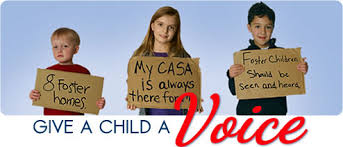
Can a working relationship survive a fundamental disagreement about child safety? On our CASA board, a Black single mother and a white older man wrestle with whether CPS protects children or destroys families. This post explores that conflict and what it tells us about fixing a child protection system that is both racist and, at times, fatally timid.
MAAFPA’s stated goals emphasize preventing unnecessary removals and preserving African American and other disproportionately represented families, while the Safe Passage data show rising deaths—largely from neglect, substance use, and domestic violence—often in cases where CPS already knew the family.

A Minneapolis teacher describes a 17 year old who carries his U.S. passport everywhere after ICE raids—showing how immigration enforcement terrorizes children, families, and classrooms.

Legally, there were no protections for children in the home or orphanage at the time (nor do they have legal status today). What became of orphan train children varied from finding loving homes to sex abuse and slave labor. Over an estimated 150,000–250,000 children rode these trains making this the largest child migration in U.S. history.

Imagine being a child watching armed officers dragging children and teachers from your school and the chaos of citizen protesters risking violence to stop it. These attacks are destroying the fabric of your community and will make your next days, weeks, and months of classroom learning full of fear that it will happen again.
Targeting children in or around schools to enforce immigration laws is a profoundly traumatizing attack on children and ethical failure of a society’s duty protect minors.
Parents unable to buy food for their child because of poverty are different from caregivers leaving their babies without food or care by absence, or because they are incapacitated by substance abuse or are the kind of parents who spend all their food money on drugs.
This parental distinction is also true for caregivers unable to bring their babies and toddlers in for medical appointments or court appearances. The difference between parents that would if they could and those that simply are too dysfunctional because of severe mental health or substance abuse issues are stark.
Invisible children in global armed conflicts face flagrant violations of their right to life, safety and protection. Violence is inflicted directly on children and/or children face emotional and mental trauma from being ripped apart from their families, homes and chance at a prosperous future. Despite awareness of this, there is a lack of political will to take action. The following news articles details the how the world is failing to protect children in times of armed global conflicts and steps taken by some to remedy the situation.
World – “World is failing to protect children from the horrors of war”.
The WHO has highlighted alarming statistics. Millions of children suffer from preventable and treatable diseases, even though affordable treatment exists. Children’s right to health is recognized in several United Nations and international agreements. The growing economic power of multinational enterprises (MNEs) and pharmaceutical giants raises new questions. Many ask whether these private, non‑state entities have an obligation to ensure children’s right to health.

In 2025, the federal government declared a bonfire of deregulation in Child Protective Services (CPS) for 2026. This is part of a broader “parental rights” and religious liberty agenda. MAGA voices,

Richard Wexler’s Child Neglect in America article uses a Swedish child neglect study to make sweeping claims about “American child neglect and poverty,” even though childhood conditions in the two countries are radically different. In the Nordic welfare states, far fewer children live in deep poverty and families receive broad supports like child benefits, paid leave, subsidized childcare, and universal health care, while U.S. child poverty is roughly twice as high and basic needs often go unmet without thin, means‑tested programs

Enhancing Child Protection Awareness on Wikipedia: A Research-Based Approach to Expanding and Improving Information on Child Abuse, Policy and Protective Services Cavendish University Uganda
The Netherlands’ Child Labor Due Diligence Act puts a legal duty on companies to make sure their supply chains are free from child labor. It aims to stop goods and services produced with child labor from entering the Dutch market, but raises questions about children’s civil rights, enforcement, competition, and how far corporate responsibility really goes. A deeper dive for those who want more detail is linked here.

Child and youth interactions with police and courts differ dramatically between the United States and most advanced European nations, with major impacts on measurable outcomes for young people and their communities.
There is little transparency in Child Protective Services. If there were, more people (and legislators) would know and we might have the laws, programs, and support these children need. Today, access to information that should be public often requires a Freedom Of Information Act (FOIA).
Dutch authorities establish a positive duty of care on corporations to ensure their supply chains and contractual relations for the supply and manufacture of goods and services are free from child labour. Critics however worry about the possible distorting effects on competition of Dutch companies and the Dutch economy due to increased administrative burdens. A Dutch company illustrates how even with compliance of the new due diligence law, supply chains may never be free from child labour.
WHEN IS CHILD ABUSE A CRIME?
AT THE HANDS OF THEIR PARENTS
If I had committed the crimes parents perpetrated upon these children, criminal child abuse laws would send me to jail. How can it be that because caregivers delivered the beatings, rapes and other traumas, the abuse was not a crime and children were all returned to their parents for more of the same (these Minnesota children died).
There are few states that report out egregious harm or death of children at the hands of their parents. Minnesota Nonprofit Safe Passage for Children of Minnesota has recently compiled this report on 88 of the 200 children dying at the hands of caregivers. It should be a model for all states. How they died, why they died, and what wasn’t done that allowed these children to live such tortured lives and die so tragically. Share the report with your State Representative with a note about keeping at-risk children alive.
The Star Tribune’s investigative report titled “IN HARM’S WAY” provides a rare glimpse into the world of Child Protective Services. This report illuminates the disheartening fact that children often do not have a right to safety.
how over decades, Northern European voters vote for child and family friendly initiatives compared to American voters. Following posts in this series dive deeper into programs and policies that are making life either better or more difficult for U.S. children and families. Sharing these posts with your State Representative will have some impact on the policies and programs necessary to improve the lives of at-risk children and families where you live.
Think about being a foster child taken from the only home you have ever known because of the terrible things done to you by your parents. Waking up in a strange house or group home where you don’t know anyone. A different school, no friends or familiar faces, things, or routines to soften your day.…
Policies that keep children in homes with life‑threatening harm on the grounds of unproven or unscientific beliefs—account for avoidable homicidal deaths of hundreds of MN children and many more tortured and near-death experiences annually. When Child Protection becomes more transparent when studies like the one linked above become common, this reality will be recognized in all…