
Minnesota’s Most Troubled Kids Have Nowhere to Go, and the Public Isn’t Being Told Why
Star Tribune Nowhere To Go For Most Troubled Youth, crime, preteen moms and juvenile injustice

Star Tribune Nowhere To Go For Most Troubled Youth, crime, preteen moms and juvenile injustice

The new KARA website is live at kidsatriskaction.com. Thirty years of reporting on abused and neglected children, the Deep Dive reports, the podcast, and the data, all in one place. Before we call it finished, we want your reaction (one sentence is fine)
America’s children are living through a historic experiment: what happens when a president dismantles the programs that feed them, teach them, heal them, and protect them. Under this administration, at risk children face more hunger, less health care, fewer early education opportunities, harsher immigration enforcement, and weaker child protection. This post explains what the future holds for America’s at risk children and what we must do now to change that.

Project 2025 and allied budget plans would slash or eliminate programs that children rely on for health care, nutrition, early childhood education, civil rights protections, and child welfare support. KARA summarizes CWLA and other advocates’ warnings, shows how child poverty and hunger are already rising, and urges you to share this information and call your lawmakers before more supports for kids disappear.

Abused and neglected children cannot speak for themselves. Watch KARA’s award‑winning video and learn how CASA volunteers and informed adults can speak up, protect kids, and push lawmakers to improve child protection systems.
Volunteer CASA Guardians ad Litem spend their days with abused and neglected children that have been raped, neglected, beaten, and tortured by other means.

KARA Conversations brings experienced child advocacy speakers to your classroom, congregation, nonprofit or civic group for short, powerful Zoom sessions on child abuse, childhood trauma and how Child Protective Services really works. Choose a 30 minute overview with Q&A or a customized 60 minute event, and help the people where you live move from concern to concrete action for children.

Kids At Risk Action presented a workshop at the fourth annual Youth Assembly at the United Nations in New York

An investigative report from Pennsylvania’s TribLive found that nearly 30% of 845 child deaths and near-deaths from 2018–2022 were tied to parental drug use—often in families already known to Child Protective Services. Similar patterns are emerging in Minnesota, Allegheny County and other states. This KARA article shares real children’s stories, shows how CPS and child-fatality systems are failing to track the true scale of drug-related child deaths, and calls on adults everywhere to demand better data, oversight and protection.
Life would be better for abused and neglected children if more people truly understood what they face—and what we can do to help. This coming fall and winter, KARA is inviting universities, community centers, and businesses to engage our INVISIBLE CHILDREN Community Conversations.
This traveling program is available to organizations, colleges/universities, and community venues within an hour’s drive of the Twin Cities metro and is designed to create awareness and solutions for at risk children and families in Minnesota.

There is no shortage of well-meaning volunteers and workers dedicated to improving the lives of the children they are serving as teachers, Guardians ad Litem, social & healthcare workers, law enforcement and adoptive/foster parents.

The Safe Passage Report on Child Maltreatment Deaths is a remarkable report – not in a good way. It demonstrates how common it is for Minnesota children to die from abuse in the home even after they have become known to CPS. This report is still only the the tip of the horrors facing abused children as;
DHS did not cooperate with the investigator,
Four counties did not respond,
Child deaths reported were only those that had court filings or had been reported in the media
Across the country, children’s lifelines are being quietly dismantled. Federal budget cuts and Project 2025–aligned proposals are targeting Medicaid and CHIP, SNAP and school meals, Head Start, child care, disability supports, civil rights protections, and even child abuse prevention and CASA programs. These changes will deepen child poverty and hunger, push more families into crisis, and “decimate the human services field,” according to the Child Welfare League of America. This post pulls together sources on what’s being cut, who is most at risk—especially immigrant, disabled, and LGBTQ+ children—and how you can call your elected officials and demand that child serving programs be protected, not eliminated.
“As child protection rules are rolled back, a new kind of child neglect threatens millions of at‑risk children. Read what these changes mean and how to respond.”

Minnesota’s new Supreme Court Council on Child Protection and Abuse Prevention

For years, young people aging out of foster care have told us the same story: they are expected to become independent adults overnight, often without stable housing, reliable income, or consistent adult support. Minnesota has made some important strides—extended foster care, Northstar payments, education vouchers, and youth advocacy organizations—but the lived reality for too many youth is still homelessness, interrupted education, legal and financial barriers, and parenting without support.
KARA is piloting an AI driven, interactive child abuse and child protection information platform—and we need your help to shape it. By exploring the pilot and sharing what works, what’s confusing, and what’s missing, you’ll help us build a tool that truly serves educators, child advocates, families, policymakers, and others working with traumatized children. Your feedback in this early stage will guide how we organize data, refine answers, and add features before a wider launch.
Start a Kids At Risk Action campus conversation at your college or university about how ACEs, child abuse, and trauma impact children in your community. Short video.
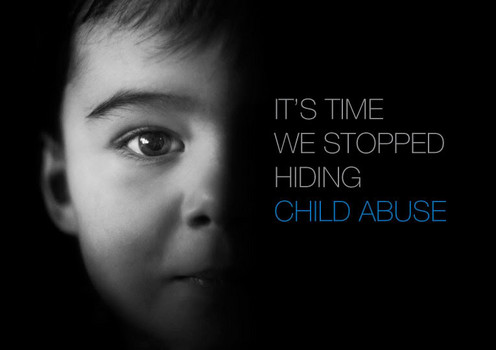
These short, powerful child abuse awareness videos (most 20–30 seconds) highlight the painful realities of foster care, trauma, and youth suicide. Share them widely so more adults understand their responsibility to protect vulnerable children.

Listen to KARA’s child welfare podcast on child death and public non-disclosure. Learn how secrecy laws and closed child protection records hide patterns of failure when children die—and what real transparency and accountability should look like.

A Minneapolis teacher describes a 17 year old who carries his U.S. passport everywhere after ICE raids—showing how immigration enforcement terrorizes children, families, and classrooms.
Listen to KARA’s child welfare podcast on child death and public non-disclosure. Learn how secrecy laws and closed child protection records hide patterns of failure when children die—and what real transparency and accountability should look like.

Imagine being a child watching armed officers dragging children and teachers from your school and the chaos of citizen protesters risking violence to stop it. These attacks are destroying the fabric of your community and will make your next days, weeks, and months of classroom learning full of fear that it will happen again.
Targeting children in or around schools to enforce immigration laws is a profoundly traumatizing attack on children and ethical failure of a society’s duty protect minors.

Current federal and state conversations about CPS are moving in two, conflicting, directions: a push by advocates to sharply limit “family policing,” reduce mandatory reporting, and narrow or remove “neglect” in law, and an opposing concern from child protection and public health experts that weakening these protections without robust alternative supports will increase lifechanging child abuse and trauma for millions of America’s most vulnerable children.
Trump’s recent Presidential Order appears in its entirety below in the Read More section of this post. Added to the order today, is conflicted and confusing language that will have a terrible impact on the quality of life for millions of America’s abused and neglected children, families, and the communities they live in.
Invisible children in global armed conflicts face flagrant violations of their right to life, safety and protection. Violence is inflicted directly on children and/or children face emotional and mental trauma from being ripped apart from their families, homes and chance at a prosperous future. Despite awareness of this, there is a lack of political will to take action. The following news articles details the how the world is failing to protect children in times of armed global conflicts and steps taken by some to remedy the situation.
World – “World is failing to protect children from the horrors of war”.
The United States ranks near the bottom of wealthy countries for child well-being, with higher child poverty, infant mortality, and firearm deaths than its peers. Learn what the data shows and why it matters.

“Why Do You Give?” is an invitation to turn concern into action for abused and neglected children. For 30 years, KARA and our volunteers have been researching, reporting, and speaking out about the most critical child protection issues of the day, giving voice to children who cannot speak for themselves.
National and federal data show that child neglect is the primary allegation in a clear majority of CPS cases, so removing neglect from CPS as an entry criterion would likely eliminate investigation for roughly 60–75% of the children who are currently investigated or substantiated, with some variation by state. About 7.8 million children / year are reported abused and neglected to CPS. Because child abuse is invisible, it is likely that at least that many children remain unseen and unreported. The Trump child welfare executive order leans heavily into language about “unnecessary removals” and “overreach”

Children and youth in foster care often have needs that are not available to be filled by the County or their caregivers. Christmas and the holiday season can be hard on families with limited resources. If you know of a foster child or foster family who would benefit from the resources on this page, send this link to them and share this page widely.
Do you have examples of resources not shown here? Send them to info@invisiblechildren.org with FOSTER RESOURCES in the subject line

KARA is expanding our resource page to answer questions and provide access to more resources. This will be an interactive, AI-driven public platform that providing timely and accurate information on child protection, child abuse, childhood trauma, and all things related to child welfare. It will highlight key details for public and civic awareness.

This is the season of organizations asking for your money and the challenges of directing your dollars wisely and well. Here are ways to be more involved, impactful, and satisfied with your charitable gift giving:
1. Directly improve children’s well‑being Local groups provide basics like food, safe spaces, early learning, and mental‑health supports that many children would not otherwise receive. These charity services are tailored to community realities (schools, housing, transportation), so help reaches the right kids faster and with less bureaucracy. 2. Keep families stronger and safer Community organizations…

This former CASA Guardian ad Litem is happy to see the saving and rebuilding of the CASA (Court Appointed Special Advocate) program in Minnesota. Thank you to Kathleen Blatz and the MN State GAL board for your hard work and dedication to this important program.
Upon founding their Minnetonka Bobatonka Bubble Tea company five years ago, Rodney and Thusuong Hiel pledged to give all of their tips and add company contributions supporting local nonprofit causes (short CBS video) (almost $40,000 so far). This is a small business with a fire in its belly to support their community every day they are open for business.

On Wednesday I was part of a team invited to address judges, lawyers, professors and other officials from developing nations about child abuse, child trauma and specifically, the CASA guardian ad litem program that was of most of interest to them on their visit to Minneapolis. I have great hope that these smart, committed professionals succeeded on their extensive U.S. journey learning about the many moving parts of justice, child rights, courts, domestic violence, child protection systems, child advocacy, foster care/adoption and children’s mental health.
It was an honor to speak with these people and uplifting to know that the CASA guardian ad Litem program is identified all over the world as a powerful voice for children and that any nation can create this program to save vulnerable children.
There is no shortage of well-meaning volunteers and workers dedicated to improving the lives of the children they are serving as teachers, Guardians ad Litem, social & healthcare workers, law enforcement and adoptive/foster parents.
Emma and Michael expose the staggering economic cost of ignoring childhood trauma. With U.S. taxpayers absorbing trillions in health care, education loss, criminal justice, and reduced productivity, the data paints a devastating picture:
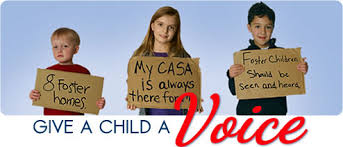
Transforming the Guardian ad Litem Program Leadership for Lasting Change: With the guidance of leaders who refuse to cut corners and who hold public policy accountable Guardian ad Litem programs can move from mere compliance toward authentic justice and opportunity for every child who enters their care.
Emma and Michael expose how childhood trauma is quietly devastating the lives of millions of children—some as young as toddlers—who are misdiagnosed, overmedicated, and left unsupported in overwhelmed systems.
KARA Tracks & reports on the issues facing America’s at-risk children From time to time, we share important resources like CWLA reporting when we find the information compelling. This information is compelling
The director of a Guardian ad Litem program must operate with a keen understanding that human lives, not mechanical products, are being shaped by their agency’s decisions. Directors know that their staff and volunteer advocates impact the safety, healing, and future success of children navigating trauma, mental health and behavior challenges, and disruption.
Strong leadership in the Guardian ad Litem Program is very different from typical American industries. In manufacturing, managers drive output and profitability—metrics our culture worships.
In child protection, the stakes are human and long-term: it’s about children’s safety, trauma recovery, and the lifelong wellbeing
Ways for KARA readers to raise their voice for at risk children. The options in the Read More below provide direct impact, community building, and how to create policy change for at risk children where you live.
Join KARA’s team of followers to interrupt child abuse and heal the children that need our help. Over the years, millions of KARA followers have shared information with their friends, social media, and policy makers and gone on to lend a helping hand for child friendly initiatives in their communities.

KARA is a volunteer organization and does not have staff to respond to requests for help.
Please use our current resource page Here
The KARA team is building an interactive, ai driven database platform for information and solutions. The demand for information and better solutions is high.

KARA UPDATES are sent once a week. Think your friend or colleague should know about us? Forward this newsletter to them. They can also SIGN UP HERE Send your comments, stories, & information important to KARA conversations about child abuse and child protection here: info@invisiblechildren.org with HELLO in the subject line. We are a volunteer organization and unable to answer all correspondence. We will notify you if your subject matter is included in KARA’s social media.
Become an advocate for abused and neglected children and send your favorite posts to your State Representative. Find them here. They make the policies that rule the lives of At-Risk children.
In this podcast episode of Kids at Risk Action, Emma and Michael unpack the groundbreaking ACE Study—research that forever changed how we understand childhood trauma. They explore how early adversity doesn’t just impact emotions—it rewires the brain, alters the body, and shortens lives. With staggering statistics
Today, Kids At Risk Action has two fully funded direct support programs for nonprofits to grow awareness and find support in their community. Share this with your nonprofit friends. In partnership with the nonprofit Seeds of Success, we’re offering two, high-impact programs designed to help your nonprofit organization increase donations, find volunteers, increase your capacity to raise critical awareness about child abuse in your community, and boost your chances at new grant opportunities:
KARA’s next book will be the gathered wisdom from those of us with stories about child abuse, child protection, and childhood trauma. Do you have a story you want to tell?
We invite writers to submit original work of 300-400 words for consideration in our upcoming book, (working title), CHILD ABUSE IN THE MIRROR.
KIDS AT RISK ACTION / KARA / INVISIBLE CHILDREN HISTORY
Episode # 30 Click Here For the Audio: What it’s like Being a CASA Child Advocate Summary: This is a short description of one Community CASA Guardian ad Litem’s experience being a child advocate in the Child Protection System. Do you have a passion for helping at-risk children and 3-5 hours / week to…