
Alone and Afraid: Immigration Through the Eyes of a Child
A 13-year-old stood alone before an immigration judge in Texas last week. Twenty-five children sat on the benches, some as young as 3. This is what they said, and why it is happening now.

A 13-year-old stood alone before an immigration judge in Texas last week. Twenty-five children sat on the benches, some as young as 3. This is what they said, and why it is happening now.

Star Tribune Nowhere To Go For Most Troubled Youth, crime, preteen moms and juvenile injustice

WI Child Abuse Reporting April 1- May 9 2024
William Evans was seven years old. He had a developmental disability. He was found dead at a duplex in Cincinnati. When Hamilton County officials were asked how a thing like that happens, one of them gave an answer that should stop you cold. Families who abuse children move often. They move to avoid relationships. They move to avoid connections. And a child nobody knows is a child nobody reports.
That is the whole failure in one sentence.
Minnesota’s child protection system must be judged by whether children are safe not by paperwork, promises, or closed cases. Learn about the need for transparency, data, accountability, and public action.

A practical guide to helping at-risk teens with 25 national organizations, volunteer options, websites, and contact information.
Child welfare systems across the country are facing a deepening placement crisis. As group homes, residential treatment centers, and detention beds have closed without real alternatives, older youth with high-intensity behavioral and developmental needs are being warehoused in hotels, emergency rooms, and psychiatric hospitals. KARA presents Judith Schagrin’s essential article on how we got here and why policymakers must rethink residential care, remedy the unintended consequences of the Family First Prevention Services Act, and build safe, humane options for children who cannot live at home.

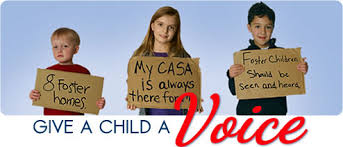
CASA Guardian ad Litem volunteers stand beside abused and neglected children in court, offering time, continuity, and a purely child focused voice. Here, CASAs explain their role in their own words, and we outline how you can explore becoming a CASA volunteer yourself.
A federal judge recently told Texas child welfare officials that “children are dying on your watch” and accused them of protecting their bureaucracy instead of children. Minnesota’s own record of child fatalities from maltreatment including the catastrophic failure that led to four-year-old Eric Dean and five-year-old Kendrea Johnson and so many others: https://safepassageforchildren.org/wp-content/uploads/2024/01/Safe-Passage-for-Children-Child-Fatality-Report_Year-2_2022-2023.pdf shows this is not just one state’s problem.

Project 2025 and allied budget plans would slash or eliminate programs that children rely on for health care, nutrition, early childhood education, civil rights protections, and child welfare support. KARA summarizes CWLA and other advocates’ warnings, shows how child poverty and hunger are already rising, and urges you to share this information and call your lawmakers before more supports for kids disappear.

Most CPS reporting gives lawmakers only snapshots: how many kids are in care today, how many reports this year. KARA argues that counties must keep de identified, family level longitudinal records so legislators can see multi generational involvement, understand which interventions reduce repeat removals, and design policies that break cycles of trauma instead of just managing them case by case, year by year.

Minnesota’s new Supreme Court Council on Child Protection and Maltreatment Prevention is building a statewide blueprint to prevent child abuse and improve how the system works for families once they’re involved. Safe Passage helped launch this effort and is now tracking early reforms from Family Resource Centers to better training, legal representation, and foster youth supports and highlighting ways stakeholders can give input.

Child Protective Services operates with a level of secrecy that would never be accepted in schools or law enforcement. This post explains how CPS hides outcome data even as children suffer and die in state involved cases, how other nations criminalize violence against children that we routinely tolerate, and why real transparency and metrics are essential if we want to protect at risk kids instead of producing more trauma.

CPS reality check in the current political battle for community CASA guardian ad Litems in MN. To put it bluntly, what’s good for the administrators often may be bad for the children.
When child protection systems worship efficiency, children lose. Ned’s metaphor and KARA’s data reveal how underfunded CASAs and overloaded workers leave abused kids without a voice in court or in their own life.

School principals and administrators are on the front lines of childhood trauma and healing. This chapter explains what they can do: create trauma informed school climates, implement early screening and embedded support services, reshape discipline away from zero tolerance, build robust mental health and wellness systems, engage families and community partners, and advocate for policies and funding that keep vulnerable students safe and help them heal.

Star Tribune investigations reveal how Minnesota’s Family Assessment track allowed severe child abuse to continue and sometimes end in child death. KARA unpacks what went wrong, why it matters, and how you can help protect children and support CASA guardians ad litem.

Abused and neglected children cannot speak for themselves. Watch KARA’s award‑winning video and learn how CASA volunteers and informed adults can speak up, protect kids, and push lawmakers to improve child protection systems.
Volunteer CASA Guardians ad Litem spend their days with abused and neglected children that have been raped, neglected, beaten, and tortured by other means.
Child Protective Services is one of the least understood and least transparent systems we fund, even though childhood trauma drives enormous costs in education, health care, crime, and prisons. This KARA article argues that taxpayers, children, and communities are all paying for our blind spots around CPS, shows how negative narratives and politics are pushing the system into crisis, and calls on readers to demand real data and trauma-informed reform.
Foster care is meant to protect children whose lives are in danger, but for many youth, it leads to a painful transition into adulthood with little support and almost no transparency. Most critical data in Child Protective Services (CPS) is never tracked or reported, and decades of experience show that nearly 80% of youth aging out of foster care go on to lead dysfunctional lives, with enormous costs to public health, safety, and education.
This article, based on the work of Minnesota’s FOSTER ADVOCATES, explores the realities of foster care and the Extended Foster Care (EFC) program: the barriers youth face, the strengths of EFC, and the systemic gaps in housing, data, training, and life skills preparation. It concludes with 14 recommendations to improve data, accountability, and support so that foster youth are not punished for trauma, but given a real chance at stability and success.
Read, share, and then contact your legislators using the links provided to demand better outcomes for foster youth
Life would be better for abused and neglected children if more people truly understood what they face—and what we can do to help. This coming fall and winter, KARA is inviting universities, community centers, and businesses to engage our INVISIBLE CHILDREN Community Conversations.
This traveling program is available to organizations, colleges/universities, and community venues within an hour’s drive of the Twin Cities metro and is designed to create awareness and solutions for at risk children and families in Minnesota.

KARA’s Children’s Freedom Crusade uses a Fourth of July freedom theme to demand real life, liberty, and happiness for abused and neglected children—and to build a national, child first movement that puts their safety and healing first.

A CASA guardian ad litem shares what it is like to advocate for a deeply traumatized 14 year old foster boy when there is no safe housing or mental health care available. The system that removed him for his safety is now steering him toward adult court and prison, not healing. We can change that.

Using KARA’s friend Ned’s “backwards car” analogy, this post explains how Child Protective Services is structured to protect its own bureaucracy rather than children. Conflicts of interest, secrecy, and missing metrics mean CPS often produces what it was designed to stop. The fix starts with transparency and informed legislators.

2023 Investigative Report on MN Children Killed
by Caregivers While in Child Protective Services
To be fair, what does an overwhelmed institution do when caseloads double and budgets are cut in half? Rural counties will always be underfunded, understaffed and unable to provide the level of service larger urban areas can with their larger budgets giving them more options.

Child Protective Services exists to protect children, yet recent investigations show children being tortured, brutalized, and even murdered while known to CPS. Leadership that values efficiency over child safety is failing its mission. CASA’s “For the Child” model shows what child centered leadership should look like—and why urgent change is needed to stop preventable child deaths.

The Convention on the Rights of the Child is the most widely ratified human rights treaty in history. Every other nation has agreed that children have basic rights to safety, health, education, voice, and protection from exploitation and extreme punishment. The U.S. has never ratified it.
KARA reports on the issues of at risk children by curating a wide lens on child abuse and child protection. This post pulls together recent coverage from newspapers, universities, public health departments, UNICEF, the White House, and frontline advocates around National Child Abuse Prevention Month. You’ll see how childhood verbal abuse carries an estimated $300 billion global economic burden, how violence and neglect are rising in communities from Erie County to the Sahel, and how leaders are calling for better collaboration, stronger families, and more transparent systems to protect children. At the heart of the post is a simple call to action: choose one KARA podcast, article, or video that speaks to you and send it to your state representative or county commissioner, joining a growing movement to give voice to voiceless children.
This article uses NCANDS data to identify the best and worst states for very young children in CPS, highlighting where infants and toddlers face the greatest risk of severe harm or death and how troubled, overwhelmed child protection systems are struggling with heavy caseloads and too few resources. It points lawmakers, advocates, and communities toward more transparent CPS reporting, stronger early childhood support, and data driven reforms that can actually protect kids and support families.

Mandated Reporters genuinely fear for their safety and reputation and regularly fail to report (or, “see”) horrific child abuse to avoid potential damage to themselves.
information from the CASAMN website about Guardian ad Litem volunteer opportunities, CASA CARES grants for Minnesota children, and updates on the program’s recent newsworthy events.

For a Deeper Dive on this or other topics, hit the DEEP DIVE button on the lower right corner of this page. This conversation about how the safety and wellbeing of abused and neglected children is directly tied to measuring child outcomes within the system. The lack of institutional transparency being discussed in West Virginia…

This is one of the 88 stories of children dying at the hands of their caregivers reported in the recent Safe Passage For Children investigation of child death in Minnesota. The report suggests why this tragedy is happening in our state and how we can make life safer for at risk children (in the read more at the end of the article). Please share this with your contacts and State Representative. Sophia O’Neill, Hennepin County
Over 25 years ago the rest of the world (194 nations) decided that children have basic human rights and begin signing the International Rights of the Child Treaty. Under this document, children are to have the rights to education, safety and well being including not to be made soldiers, not to be enslaved).
America is the only nation that has not signed that agreement, largely because we still demand that southern states continue to militarize youth as young as eleven, through military schools.

Intake notes from County CPS
These are a tiny sample of County intake notes
social workers and guardians ad Litem are assigned each week;
Fear and Firing of Mandated Reporters (KARA podcast)…professionals being punished, losing their jobs, and facing lawsuits for fulfilling their duties
America’s Child Protection System is producing the very harms it was meant to prevent: overflowing prisons, broken families, unsafe classrooms, and communities overwhelmed by untreated trauma. This post explains how secrecy, extreme caseloads, deregulation, and our refusal to recognize children’s rights have hollowed out CPS—and lays out four practical steps toward real reform: radical transparency, safe caseloads, rebuilt legal protections, and child‑centered laws that treat children as rights‑holders, not afterthoughts.

Child abuse in the home is still too often treated as a private family issue instead of a crime. Drawing on years as a CASA guardian ad Litem, this post exposes how Child Protective Services keeps abuse hidden, why children have no standing in court, and what must change so kids are truly safe in their own homes.
Emma and Daniel highlight the systemic issues of foster care in America, focusing on how foster youth struggle due to funding misallocation and harmful policies
Minnesota’s Guardian ad Litem and CASA program has been under real strain—lost volunteers, rising caseloads, and stressed systems have put vulnerable children at risk. Alex Miller’s Minnesota CASA leadership as Chief Information Officer and Interim Program Administrator is helping move the program from crisis toward recovery. By modernizing technology, strengthening data security, and working transparently with the State Guardian ad Litem Board, he has helped stabilize turnover and rebuild trust. The result is a system that is slowly regaining its footing and putting more trained, supported advocates in the lives of abused and neglected children.

Minnesota’s child protection system is repeatedly returning severely abused children to unsafe homes — and some are dying as a result. Drawing on the Star Tribune’s “In Harm’s Way” investigation, Safe Passage’s child fatality data, and my experience as a CASA guardian ad litem, this post exposes how opaque CPS practices, ignored warning signs, and a lack of accountability keep kids in danger. Learn what’s going wrong, why it matters for every Minnesotan, and how you can help push lawmakers to finally put children’s safety first.

systemic issues within Child Protective Services (CPS) that have led to the tragic deaths of children, even after CPS involvement
Kids at Risk Action, the hosts address the growing mental health crisis in child welfare, particularly in emergency rooms and foster care systems. They reveal alarming statistics, such as the significant rise in ER visits for children’s mental health crises and the systemic failures that leave many without proper care.
Very young children are showing up in emergency rooms after suicide attempts and self‑harm, often with histories of abuse, neglect, and other trauma. When CPS and lawmakers lack transparent, child‑outcome data and trauma‑focused resources, these children slip through the cracks until it is too late.
Social workers face secondary trauma and burnout in a child protection system that hides basic child outcome data. When CPS agencies use HIPAA as a “red herring” to block even de identified information, lawmakers and communities can’t fix what’s broken—and children and workers continue to suffer in the dark.
This article from 2013 is still true today with no signs of changing. It needs to be shared with your states lawmakers: The United States is the only nation that has not signed the United Nation’s International Rights Of the Child Treaty of the 1980’s. A primary reason we refuse to sign the treaty is…

There is no shortage of well-meaning volunteers and workers dedicated to improving the lives of the children they are serving as teachers, Guardians ad Litem, social & healthcare workers, law enforcement and adoptive/foster parents.
There is an underappreciated reality that Child Protective Services is the only safe haven for children living with rape, violence and neglect as they are too young to defend themselves.

The Safe Passage Report on Child Maltreatment Deaths is a remarkable report – not in a good way. It demonstrates how common it is for Minnesota children to die from abuse in the home even after they have become known to CPS. This report is still only the the tip of the horrors facing abused children as;
DHS did not cooperate with the investigator,
Four counties did not respond,
Child deaths reported were only those that had court filings or had been reported in the media