
Minnesota’s Most Troubled Kids Have Nowhere to Go, and the Public Isn’t Being Told Why
Star Tribune Nowhere To Go For Most Troubled Youth, crime, preteen moms and juvenile injustice

Star Tribune Nowhere To Go For Most Troubled Youth, crime, preteen moms and juvenile injustice

Foster Adopt Minnesota runs the HELP Program, a warmline for Minnesota’s adoption, foster care, and kinship communities, and can help families find vetted therapists who work with adoptive, foster and kinship families. Fosteradoptmn + Minnesota Foster Advocates, https://www.fosteradvocates.org/resource-guide

Minnesota ranks fifth in the nation for child well-being and near last for racial equity. Both are true. Here is what the numbers show across education, juvenile justice, child protection, and health care, and what actually works to change them.

Five Minnesota daycares in one month. South St. Paul, Rochester, Prior Lake, Hastings, Duluth. Licensed providers charged with hitting, slapping, and bruising the children in their care. The youngest was four months old. Here is what a single month of Minnesota child abuse headlines actually looks like.

A 14 year old boy who planned his death by cop. Tortured from four to seven. Twenty-nine foster placements. Police from the age of nine. He needed mental health services and got officers instead. Children traumatized by their caregivers fear and hate authority.

A new federal study proves home visiting programs improve parenting, mental health, and family stability for years. Here’s the evidence and what Minnesota can do next.

Minnesota’s child protection system must be judged by whether children are safe not by paperwork, promises, or closed cases. Learn about the need for transparency, data, accountability, and public action.
Child Protective Services often measures reports, investigations, placements, reunifications, and case closures. But those numbers do not reveal whether children become safer, healthier, better educated, stably housed, or able to thrive as adults. KARA outlines the missing long-term outcomes lawmakers need to track and a privacy-protected framework for measuring whether public systems truly improve children’s lives.

Child protection systems too often expose children to continued abuse and neglect instead of keeping them safe. This article explains what that means and offers concrete “what I can do” options for any reader who wants to help at risk children in their community from sharing investigative reports with state reps, to raising awareness, inviting speakers, supporting nonprofits, and exploring direct volunteer roles in my community.

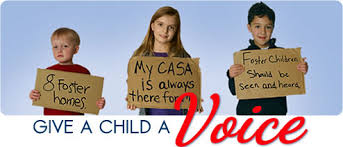
CASA Guardian ad Litem volunteers stand beside abused and neglected children in court, offering time, continuity, and a purely child focused voice. Here, CASAs explain their role in their own words, and we outline how you can explore becoming a CASA volunteer yourself.
A federal judge recently told Texas child welfare officials that “children are dying on your watch” and accused them of protecting their bureaucracy instead of children. Minnesota’s own record of child fatalities from maltreatment including the catastrophic failure that led to four-year-old Eric Dean and five-year-old Kendrea Johnson and so many others: https://safepassageforchildren.org/wp-content/uploads/2024/01/Safe-Passage-for-Children-Child-Fatality-Report_Year-2_2022-2023.pdf shows this is not just one state’s problem.

Minnesota’s new Supreme Court Council on Child Protection and Maltreatment Prevention is building a statewide blueprint to prevent child abuse and improve how the system works for families once they’re involved. Safe Passage helped launch this effort and is now tracking early reforms from Family Resource Centers to better training, legal representation, and foster youth supports and highlighting ways stakeholders can give input.

CPS reality check in the current political battle for community CASA guardian ad Litems in MN. To put it bluntly, what’s good for the administrators often may be bad for the children.

Star Tribune investigations reveal how Minnesota’s Family Assessment track allowed severe child abuse to continue and sometimes end in child death. KARA unpacks what went wrong, why it matters, and how you can help protect children and support CASA guardians ad litem.

What To Do For Foster and At Risk Children (a list of important things)
If you are concerned about at-risk children where you live, Check it Out!
Foster care is meant to protect children whose lives are in danger, but for many youth, it leads to a painful transition into adulthood with little support and almost no transparency. Most critical data in Child Protective Services (CPS) is never tracked or reported, and decades of experience show that nearly 80% of youth aging out of foster care go on to lead dysfunctional lives, with enormous costs to public health, safety, and education.
This article, based on the work of Minnesota’s FOSTER ADVOCATES, explores the realities of foster care and the Extended Foster Care (EFC) program: the barriers youth face, the strengths of EFC, and the systemic gaps in housing, data, training, and life skills preparation. It concludes with 14 recommendations to improve data, accountability, and support so that foster youth are not punished for trauma, but given a real chance at stability and success.
Read, share, and then contact your legislators using the links provided to demand better outcomes for foster youth

Life would be better for abused and neglected children if more people truly understood what they face—and what we can do to help. This coming fall and winter, KARA is inviting universities, community centers, and businesses to engage our INVISIBLE CHILDREN Community Conversations.
This traveling program is available to organizations, colleges/universities, and community venues within an hour’s drive of the Twin Cities metro and is designed to create awareness and solutions for at risk children and families in Minnesota.

A CASA guardian ad litem shares what it is like to advocate for a deeply traumatized 14 year old foster boy when there is no safe housing or mental health care available. The system that removed him for his safety is now steering him toward adult court and prison, not healing. We can change that.

2023 Investigative Report on MN Children Killed
by Caregivers While in Child Protective Services

To be fair, what does an overwhelmed institution do when caseloads double and budgets are cut in half? Rural counties will always be underfunded, understaffed and unable to provide the level of service larger urban areas can with their larger budgets giving them more options.

Wisconsin’s public website for child death and egregious CPS incidents shows what honest tracking can look like. Minnesota’s Safe Passage child fatality report revealed children murdered by caregivers while known to CPS, but near deaths and egregious harm are still invisible. Until we count those cases, Minnesota will continue to tolerate extreme child abuse as a hidden human rights violation.
The Minnesota Promise Report is a foster led blueprint for changing how states treat children in CPS and foster care. It combines listening sessions, data, and bold ideas from Fosters themselves to define what it would mean for a state to truly keep its promise to children. Sharing this report with colleagues and state representatives is one way to support Foster Advocates—and to spark similar efforts across the country.
information from the CASAMN website about Guardian ad Litem volunteer opportunities, CASA CARES grants for Minnesota children, and updates on the program’s recent newsworthy events.

For a Deeper Dive on this or other topics, hit the DEEP DIVE button on the lower right corner of this page. Odds are, you know somebody sex trafficking has impacted. Minnesota has the third highest number of human trafficking cases in the U.S. annually. The Twin Cities have the 13th highest rate of child prostitution.…

Jamie and Alex delve into the harrowing issue of children dying within the Child Protective Services (CPS) system. They discuss a groundbreaking report revealing that 200 children have died while within the CPS system,
Child abuse in the home is still too often treated as a private family issue instead of a crime. Drawing on years as a CASA guardian ad Litem, this post exposes how Child Protective Services keeps abuse hidden, why children have no standing in court, and what must change so kids are truly safe in their own homes.
Minnesota’s Guardian ad Litem and CASA program has been under real strain—lost volunteers, rising caseloads, and stressed systems have put vulnerable children at risk. Alex Miller’s Minnesota CASA leadership as Chief Information Officer and Interim Program Administrator is helping move the program from crisis toward recovery. By modernizing technology, strengthening data security, and working transparently with the State Guardian ad Litem Board, he has helped stabilize turnover and rebuild trust. The result is a system that is slowly regaining its footing and putting more trained, supported advocates in the lives of abused and neglected children.

Minnesota’s child protection system is repeatedly returning severely abused children to unsafe homes — and some are dying as a result. Drawing on the Star Tribune’s “In Harm’s Way” investigation, Safe Passage’s child fatality data, and my experience as a CASA guardian ad litem, this post exposes how opaque CPS practices, ignored warning signs, and a lack of accountability keep kids in danger. Learn what’s going wrong, why it matters for every Minnesotan, and how you can help push lawmakers to finally put children’s safety first.

Social workers face secondary trauma and burnout in a child protection system that hides basic child outcome data. When CPS agencies use HIPAA as a “red herring” to block even de identified information, lawmakers and communities can’t fix what’s broken—and children and workers continue to suffer in the dark.
There is an underappreciated reality that Child Protective Services is the only safe haven for children living with rape, violence and neglect as they are too young to defend themselves.
The Safe Passage Report on Child Maltreatment Deaths is a remarkable report – not in a good way. It demonstrates how common it is for Minnesota children to die from abuse in the home even after they have become known to CPS. This report is still only the the tip of the horrors facing abused children as;
DHS did not cooperate with the investigator,
Four counties did not respond,
Child deaths reported were only those that had court filings or had been reported in the media

Over 25 years ago the rest of the world (194 nations) decided that children have basic human rights and begin signing the International Rights of the Child Treaty. Under this document, children are to have the rights to education, safety and well being including not to be made soldiers, not to be enslaved).
America is the only nation that has not signed that agreement, largely because we still demand that southern states continue to militarize youth as young as eleven, through military schools.

Contrary to a common assumption, neglect is not less damaging than abuse. Research shows neglect victims have lifelong problems because they miss developmental milestones around language, self-control, and bonding with others.
A constant dilemma in neglect cases is whether to traumatize children by removing them from their families, or leave them in situations where their brains aren’t developing normally.
Quality Early Childhood Education (ECE) programs can make it possible to leave children at home while helping their parents improve parenting skills.
This study documents that neglect victims who got ECE moved quickly from having a language deficit to the normal range. Language development is critical to academic success and positive interpersonal relationships.
ECE can help many children avoid foster care and still obtain the baseline skills they need to thrive.
Join the Discussion on Facebook
Make a difference for the children of Minnesota today,
Donate Here!

Most of what we know about foster care comes from very thin data: how many children are in care, how many enter or exit each year. That’s not enough to guide policy or spending. This post explains which foster care outcomes Minnesota and other states still don’t track—years stuck in care, abuse in placement, endless moves, school disruption, medication without therapy, and what happens after youth age out—and why demanding honest, de‑identified data is one of the most powerful things you can do for abused and neglected children in your community.

• “From Cedarbluff, Mississippi, to parties in Houston and homes in Indiana, early 2026 brought mass shootings that briefly made headlines and then faded. This essay connects those tragedies to a deeper crisis: how our systems ignore childhood trauma, underfund mental health, and invest billions in punishment instead of care—creating adults who are dangerous because we failed them as children.”
Eli Hentges. This is one of the 88 stories of children dying at the hands of their caregivers reported in the recent Safe Passage For Children investigation of child death in Minnesota. The report suggests why this tragedy is happening in our state and how we can make life safer for at risk children (in the read more at the end of the article). Please share this with your contacts and State Representative.

Minnesota’s new Supreme Court Council on Child Protection and Abuse Prevention
For years, young people aging out of foster care have told us the same story: they are expected to become independent adults overnight, often without stable housing, reliable income, or consistent adult support. Minnesota has made some important strides—extended foster care, Northstar payments, education vouchers, and youth advocacy organizations—but the lived reality for too many youth is still homelessness, interrupted education, legal and financial barriers, and parenting without support.
Contrary to a common assumption, neglect is not less damaging than abuse. Research shows neglect victims have lifelong problems because they miss developmental milestones around language, self-control, and bonding with others.
A constant dilemma in neglect cases is whether to traumatize children by removing them from their families, or leave them in situations where their brains aren’t developing normally.
Quality Early Childhood Education (ECE) programs can make it possible to leave children at home while helping their parents improve parenting skills.
This study documents that neglect victims who got ECE moved quickly from having a language deficit to the normal range. Language development is critical to academic success and positive interpersonal relationships.
ECE can help many children avoid foster care and still obtain the baseline skills they need to thrive.
Join the Discussion on Facebook
Make a difference for the children of Minnesota today,
Donate Here!
This list of Minnesota resources—and the note below—is taken directly from CASA Minnesota in recognition of National Child Abuse Prevention Month, a time to reflect on what it really means to build safe, supportive communities where every child can thrive.
“157 staff injuries and 142 cleared classrooms in a single year raise a hard question: Why are Minnesota’s youngest students turning violent? This piece traces those outbursts back to unhealed childhood trauma—and outlines what K–3 schools, families, and policymakers must do differently if we want safer classrooms instead of more suspensions.”
During National Volunteer Week, we’re shining a light on CASA and Guardian ad Litem volunteers in Minnesota—the trained community members who stand beside abused and neglected children in court, give them a consistent adult voice, and help judges make better decisions about safety, healing, and permanency.
April’s National Child Abuse Prevention Month reminds us that protecting children means more than responding after harm—it means building strong families, supportive communities, and systems that recognize warning signs early, with CASA volunteers turning those prevention ideals into reality for children in court by offering consistent advocacy for safety, healing, and stable homes.

Do you know your state representative? If you don’t, find out today and call her/him with the important message that you know short term savings DO NOT APPLY to children.
Most foster youth only discover years later that Social Security benefits meant for them were taken by counties to “reimburse” foster care costs, leaving them to age out with no savings, no housing deposit, and no money for school or a car. With up to one third experiencing homelessness by their mid 20s and earning far less than their peers, every dollar matters. This post explains how the so called “orphan tax” works, why the complexity argument is specious, and how existing Social Security and ABLE style accounts could be used to protect foster youths’ benefits instead of padding agency budgets.
Policies that keep children in homes with life‑threatening harm on the grounds of unproven or unscientific beliefs—account for avoidable homicidal deaths of hundreds of MN children and many more tortured and near-death experiences annually. When Child Protection becomes more transparent when studies like the one linked above become common, this reality will be recognized in all…
Start a Kids At Risk Action campus conversation at your college or university about how ACEs, child abuse, and trauma impact children in your community. Short video.

Over 48 years, CASA/GAL (Guardian ad Litem) programs have grown into a national network of more than 900 organizations with 80,000–100,000 guardian ad litem volunteers serving close to a quarter‑million abused and neglected children each year, according to National CASA/GAL program surveys and the association’s own history. In every state but North Dakota, these volunteers are often the only adults in the courtroom whose sole job is to stand for a child’s best interests—and they do it with intentionally tiny caseloads so each child gets more time, more attention, and more consistency than overloaded systems can usually provide
Federal decisions on health care, food, child care, and social services are reshaping daily life for Minnesota’s children, especially those already at risk. When Washington freezes or cuts key programs like Medicaid, SNAP, Head Start, child care funds, SSBG, and TANF, the damage shows up in our counties, schools, clinics, and courtrooms. This post explains how national politics is putting Minnesota kids in harm’s way—and what we can do about it.
This episode of KARA’s podcast tells the story of 5 month old Aaliya Goodwin, who died of positional asphyxia while in the care of her drug abusing parents. Drawing on the Safe Passage for Children investigation, we explore eight prior reports, repeated “Family Assessments,” and the systemic choices that left Aaliya unprotected.