Content note: This article discusses child self-harm, suicidal thoughts, suicide attempts, and child maltreatment. If a child or adult may be in immediate danger, call 911. In the United States, call or text 988 for the Suicide & Crisis Lifeline.
Children who self-harm or attempt suicide are not statistics, diagnoses, or problems to be managed. They are children in pain. Their behavior is often a signal that their safety, relationships, mental-health needs, or daily lives have become unbearable. Underserved children become suffering adults.
America’s child mental-health crisis is not theoretical. It is visible in emergency departments, hospital rooms, schools, child-protection cases, foster-care placements, juvenile courts, and homes where children are living with trauma that adults have failed to stop. LGBTQ children and youth are more likely to land in foster care and face homelessness, abuse, and suicide.
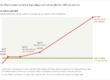
A 2023 national study of pediatric acute-care hospitalizations found that hospitalizations involving attempted suicide or self-injury rose from about 49,285 in 2009 to 129,699 in 2019—a 163% increase. By 2019, attempted suicide, suicidal ideation, or self-injury appeared in 64.2% of pediatric mental-health hospitalizations included in the study. The study covered children ages 3 through 17 and excluded psychiatric hospitals and emergency-department visits that did not lead to admission. Pediatric Mental Health Hospitalizations at Acute Care Hospitals in the US, 2009–2019

The numbers are alarming, but they are not the entire story. They do not capture every child waiting in an emergency department, every young person who self-harms without receiving care, every child in foster care experiencing despair, or every child who remains unsafe at home after a report to Child Protective Services.
A Crisis That Reaches Younger Children
This is not only a teenage issue. A 2025 study of more than 627,000 emergency-department records involving children ages 8 to 12 found that suicide thoughts and behaviors occur in preadolescent children as well. About 10% of children who came to an emergency department for suicide-related concerns returned for additional suicide-related visits. Childhood Suicide Risk in the Emergency Department
National school-based data also show the depth of youth distress. The CDC reports that 40% of high-school students experienced persistent sadness or hopelessness; 20% seriously considered attempting suicide; and nearly 9% attempted suicide. CDC: Mental Health and Adolescent School Health
Self-harm and suicidal behavior should never be dismissed as attention-seeking, defiance, weakness, or a phase. They require a calm, immediate, compassionate response and a serious effort to understand what is making a child feel unsafe, trapped, disconnected, frightened, ashamed, hopeless, or alone.
Trauma Changes a Child’s World
Children who experience abuse, neglect, domestic violence, chronic instability, caregiver substance use, repeated separation, sexual abuse, physical violence, homelessness, bullying, or other traumatic events can carry those experiences in their bodies and minds long after the immediate danger appears to end.
Adverse Childhood Experiences, often called ACEs, are not simply difficult memories. Repeated adversity can disrupt a child’s sense of safety, trust, emotional regulation, learning, sleep, relationships, and ability to imagine a hopeful future.
A child may show trauma through anxiety, aggression, withdrawal, self-hate, school problems, panic, substance use, running away, self-injury, suicidal thoughts, or behavior that adults misread as “bad.” Trauma-informed care begins by asking: What happened to this child, what is happening now, and what will help this child feel safe and supported?
The causes of child self-harm and suicide are complex. It is irresponsible to blame one factor, one family, one diagnosis, or one technology platform. Social media can amplify social comparison, harassment, fear, sleep disruption, exposure to harmful content, and isolation for some children. But social media is often an accelerant, not the original fire.
The fire may be trauma, unsafe homes, untreated depression or anxiety, loss, family conflict, child abuse, violence, poverty, lack of belonging, discrimination, school distress, inadequate access to care, or a child-protection system that does not consistently measure whether children are becoming safer and healthier.
Hospitals Cannot Solve This Alone
Hospitals are being asked to manage a crisis created far beyond their walls. The 2023 JAMA study found that pediatric mental-health hospitalizations represented almost 20% of all pediatric acute-care hospitalizations in 2019, accounted for more than one-quarter of pediatric hospital days, and represented nearly half of interfacility transfers.
Mental-health hospitalizations also lasted longer than non-mental-health hospitalizations and were more likely to involve transfers to another facility. That is evidence of a system under strain, not simply a rise in children needing a bed.
Children’s hospitals report that suicide-related concerns, self-injury, and suicide attempts have become among the most common mental-health reasons children come to emergency departments. The Children’s Hospital Association reports that suicide/self-injury cases among patients ages 5 through 18 in children’s hospital emergency departments rose 168.6% between 2016 and 2021. Addressing Pediatric Suicide
When a child is in crisis, emergency care matters. But emergency care is the last line of defense, not a substitute for safe homes, responsive schools, accessible therapy, supportive adults, effective crisis services, and child-protection systems that act quickly when children are in danger.
Child Protection Must Measure Outcomes
KARA believes that child protection cannot be judged only by the number of reports received, investigations closed, children removed, children reunified, or cases completed.
Those measures may describe system activity. They do not tell us whether a child is safe, healing, connected to stable adults, attending school, receiving mental-health care, avoiding self-harm, staying out of crisis, or moving toward a healthy adulthood.
This is the central accountability question:
After Child Protective Services becomes involved,
do children become safer and better supported
or do they remain invisible until another crisis occurs?
Minnesota’s child-fatality review of 88 children who died from maltreatment between 2014 and 2022 found repeated concerns involving chronic maltreatment, missed warning signs, unsafe placements, inadequate safety planning, domestic violence, substance use, and failures to act on known risks. The report also documented that many deaths involved children previously known to child protection. Minnesota Child Fatalities from Maltreatment, 2014–2022
Six year old foster child Kendrea Johnson died by suicide a few miles from my home 12 years ago. She left a crayon note about her misery and self-hate. Every child death, suicide attempt, self-harm crisis, psychiatric hospitalization, school failure, placement disruption, or loss of hope should make us ask better questions. Not to blame a child. Not to blame an overwhelmed social worker. But to identify what information was missing, what warning signs were overlooked, what services were unavailable, and what intervention might have allowed Kendrea to be a 20 year old thriving young adult today.
What KARA Is Calling For
KARA advocates for people, policies, and programs that improve the lives of abused and neglected children. That means building systems that can see children clearly, respond earlier, and measure whether help is actually helping.
KARA supports:
- Trauma-informed mental-health care that is accessible to children and families before crisis becomes hospitalization.
- Stronger child-safety assessments and timely responses when children are reported to Child Protective Services.
- Better support for foster children, kinship-care children, and youth transitioning from foster care.
- Public reporting of meaningful child outcomes, including safety, placement stability, school engagement, mental-health access, hospitalization, self-harm, and long-term well-being.
- Better coordination among child protection, schools, medical providers, mental-health professionals, courts, law enforcement, and community organizations.
- Investment in prevention, family support, child safety, and reliable information—not only crisis response after harm has already occurred.
- A public information platform that helps families, professionals, advocates, policymakers, and communities find trustworthy child-protection and trauma resources quickly.
A Better Standard
We should measure whether children are thriving not whether a case file has been closed.
We should know whether children involved with CPS are safe from further abuse, connected to caring adults, stable in school, able to access mental-health support, and less likely to return to emergency rooms because no one intervened early enough.
We should stop asking only whether services were offered.
We should ask whether they worked for the child.
Help KARA build a stronger safety net for children.
Share this article with a teacher, health professional, foster parent, social worker, Guardian ad Litem, school leader, county official, legislator, journalist, or community member. Ask them one question:
What outcomes does our community track to show that children involved with Child Protective Services are actually safer, healing, and able to thrive?
Visit and share the KARA Signature Video to learn more about KARA’s mission.
If you want to help KARA expand its child-protection information platform, research, public education, and advocacy work, support KARA, subscribe for updates, share KARA resources, or introduce KARA to people and organizations committed to protecting children.
All adults are the protectors of all children.
KIDS AT RISK ACTION / KARA / INVISIBLE CHILDREN
CPS Data; Adverse Childhood Experiences; Foster Care; Children’s Mental Health; Youth Suicide Prevention; Trauma-Informed Care; Child Welfare Reform; KARA Signal