Thank You Cyndy Etler (don’t lock them up)
shining a light on child advocacy,
Public opinion about Child Protective Services is shaped by powerful myths that rarely match reality. Drawing on research summarized by Safe Passage for Children of Minnesota, this article challenges common misconceptions about CPS, child removals, racial bias, poverty, and foster care outcomes—and explains why evidence based, child centric policies are essential for at risk children and for the workers trying to protect them.
Official child welfare numbers may capture only part of the crisis. This analysis explains how poverty, Family Assessment practices, underreporting, misreporting, and weak transparency can hide the true scale of harm to children—and why future projections must account for what the system fails to record.
This deep dive expands on KARA’s child welfare crisis post by walking through five Northeastern University capstone projects. Together, they use national data, infant mortality models, county level forecasting, and poverty analysis to show where children are most at risk—and how KARA AND YOU can use this research to drive policy change.
For child advocates supporting child advocacy organizations, local events can turn concern for abused and neglected children into real, repeatable engagement. The challenge is creating gatherings that are welcoming and energizing while still trauma informed, privacy safe, and grounded in child welfare priorities, especially with limited budgets and complex systems. This post lays out multiple event models—walks and rallies, arts and healing gatherings, youth leadership labs, policy facing tours, neighborhood family nights, learning series, and pop up outreach at existing festivals—that are practical and doable with modest resources. It also emphasizes designing for engagement beyond headcount, using hands on formats and small “do one thing today” actions so one well planned event becomes the starting point for stronger partnerships and coordinated advocacy for children.
Advocating for child protection doesn’t have to mean big campaigns or formal roles. This post shares simple, creative ways to weave child protection into everyday life—through conversations, community art, book discussions, resource sharing, and small “micro advocacy” projects. It includes a step by step starter plan, practical action ideas, and tips for finding trustworthy child safety resources so advocacy feels human, local, and sustainable.
Modern slavery did not end with history books. The UK Modern Slavery Act was meant to protect victims and hold traffickers accountable, yet thousands of children remain exploited, re trafficked, and left without real support. This KARA post explains how the law works, where it fails child victims, and what advocates say must change—plus concrete ways you can help push systems toward real protection.
Ethan’s story follows one boy taken from his parents into foster care, abused in placement, struggling with guilt and suicidality, and now facing adulthood alone. His journey exposes how often our foster care system fails traumatized children—and why changing life for foster youth will take all of us.
Children carrying high Adverse Childhood Experiences (ACEs) live in constant survival mode. Stable homes, consistent caregiving, and trauma-informed schools can lower toxic stress, repair trust, and rebuild hope. This article explains why stability is a core intervention—and how adults and communities can help at-risk youth heal and thrive.
Kids who’ve survived abuse or neglect don’t need perfect parents—they need calm, repeatable habits that make home feel safe. This guide explains five daily practices that lower reactivity, build trust, and help traumatized children feel safe at home, plus clear signs of trauma and next step resources for families.
In 2007, nearly one in four of Uruguay’s 13 to 15 year olds used tobacco. By 2019, that had been cut in half. This post shows how strong laws and a historic win over Philip Morris protected children—while industry still looks for new ways to hook them.
It is an open secret that child labour is rampant throughout the supply chains of major chocolate brands like Nestle, Mars and Ferrero. Despite international guidelines and targets to eradicate child labour, a lack of political will and lack of strict corporate legal responsibility enables the continued use of child labour.
Invisible children in global armed conflicts face flagrant violations of their right to life, safety and protection. Violence is inflicted directly on children and/or children face emotional and mental trauma from being ripped apart from their families, homes and chance at a prosperous future. Despite awareness of this, there is a lack of political will to take action. The following news articles details the how the world is failing to protect children in times of armed global conflicts and steps taken by some to remedy the situation.
World – “World is failing to protect children from the horrors of war”.
Enhancing Child Protection Awareness on Wikipedia: A Research-Based Approach to Expanding and Improving Information on Child Abuse, Policy and Protective Services Cavendish University Uganda
The Netherlands’ Child Labor Due Diligence Act puts a legal duty on companies to make sure their supply chains are free from child labor. It aims to stop goods and services produced with child labor from entering the Dutch market, but raises questions about children’s civil rights, enforcement, competition, and how far corporate responsibility really goes. A deeper dive for those who want more detail is linked here.
The following articles illustrates how government policy and law has yet again failed to ensure the safety and well-being of children. Children continue to face sexual abuse, gendered based violence and health crises, among other disastrous circumstances. Advocacy by civil society and humanitarian aid is essential in order to support one of the more vulnerable populations of society.
Dutch authorities establish a positive duty of care on corporations to ensure their supply chains and contractual relations for the supply and manufacture of goods and services are free from child labour. Critics however worry about the possible distorting effects on competition of Dutch companies and the Dutch economy due to increased administrative burdens. A Dutch company illustrates how even with compliance of the new due diligence law, supply chains may never be free from child labour.
Children who face poverty, neglect, or violence often lack a voice in systems meant to protect them. Advocacy — speaking up and acting on their behalf — is one of the most powerful ways individuals and communities can help these children find safety, stability, and opportunity. Whether through mentoring one child or pushing for nationwide policy reform, everyone can play a part.
Ethan was removed from his parents at a young age. I have only come to know him briefly through the course of my work with him at an inpatient facility.
Both my parents were abused as children. Child abuse is epigenetic – like hair and eye color. My childhood went away when the abuse started. I lived in a constant state of fight or flight, freeze, or fawn and when there was no escape the only thing left was to FAIL. A child trapped in inescapable child abuse trauma fails all the time.
These 2 minute Ms. Sarah Washington podcast interview snippets offer a narrative on institutions and child friendly policies you may not have heard before.
Ethan was removed from his parents at a young age. I have only come to know him briefly through the course of my work with him at an inpatient facility.
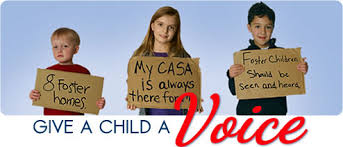
Spotify Episode # 30 Click Here For the Audio: What it’s like Being a CASA Child Advocate Summary: This is a short description of one Community CASA Guardian ad Litem’s experience being a child advocate in the Child Protection System.
These are the insights of a 77-year-old victim of childhood abuse. He was not aware of the root cause which dominated his life until he was 65 years-old and ran across references to resilience and child abuse. Bill is a thoughtful, deep thinker. The following observations result from his reflection on his life.
From Ann Ahlstrom (bold emphasis from KARA)
August 19, 2024
Greetings Minnesota Volunteer Guardians ad Litem:
New Child Fatalities Database (thank you Safe Passage for Children of MN)
Today’s Safe Passage for Children of MN’s action request to keep children safe in Child Protection: A small effort with big dividends. Share this with your State Representative (find them here). On Monday, a group of us gathered at the Capitol to meet with key legislators about Minnesota’s child protection system. We shared the stories…
CASA MN Newsletter (Guardian ad Litem News & Updates)