
Alone and Afraid: Immigration Through the Eyes of a Child
A 13-year-old stood alone before an immigration judge in Texas last week. Twenty-five children sat on the benches, some as young as 3. This is what they said, and why it is happening now.

A 13-year-old stood alone before an immigration judge in Texas last week. Twenty-five children sat on the benches, some as young as 3. This is what they said, and why it is happening now.

What We Learned From 1212 (Nothing) My first visit to a four-year-old was in the suicide ward of a local hospital. Four. Not fourteen. She was in a locked unit because the adults responsible for her had done something to her that made a child that young want to stop existing. I was her Guardian…

Foster Adopt Minnesota runs the HELP Program, a warmline for Minnesota’s adoption, foster care, and kinship communities, and can help families find vetted therapists who work with adoptive, foster and kinship families. Fosteradoptmn + Minnesota Foster Advocates, https://www.fosteradvocates.org/resource-guide

WI Child Abuse Reporting April 1- May 9 2024

Firearm injuries are now the leading cause of death for children and teens ages 1 to 19. More than 4,400 kids ages 0 to 19 are shot and killed each year and more than 17,000 are shot and wounded, an average of 60 children a day. An estimated three million children witness a shooting each year.

KARA sporadically compiles articles, research, and reports on child abuse and child protection around the nation & internationally. Child rights, safety, protection are just a few of the topics you will find addressed in the approximately 100 articles below.
We are seeking a volunteer to make this a regular feature on our website. Contact Hello@invisiblechildren.org with volunteer research in the subject line if this might be you.
KARA is seeking university research on the topics of childhood trauma, children’s rights, parental rights, foster care, adoption, child protection, children’s mental health, juvenile justices and child advocacy. Contact Hello@invisiblechildren.org with volunteer university research in the subject line if this might be you.

A draft federal rule would pay married stay-at-home parents about $9,000 a year per child, using money from the fund that helps low-income parents work. Eighty percent of the families using that fund now are single working parents. That rule is one item on a long list, and here is the whole list.

William Evans was seven years old. He had a developmental disability. He was found dead at a duplex in Cincinnati. When Hamilton County officials were asked how a thing like that happens, one of them gave an answer that should stop you cold. Families who abuse children move often. They move to avoid relationships. They move to avoid connections. And a child nobody knows is a child nobody reports.
That is the whole failure in one sentence.

A randomized trial of 4,229 families and Minnesota’s $848 million child protection bill. What we pay after the harm, and what prevention actually costs.

From the Washington Post yesterday, most foster care children on antipsychoctic drugs get them for far too long and without medical justification. 2/3 of the nearly 700 claims studied raised high-risk “quality of care” issues. As a long time CASA volunteer guardian ad-Litem, many of my case kids were on multiple drugs simultaneously and many of them hated being forced to use them. Some kids threw the drugs away.
In Minneapolis, I would like to know (there should be more transparency) if six year old Kendrea Johnson’s suicide by hanging involved psychotropic medications. She was a very troubled foster child, in therapy and had talked about homicide and suicide. When Jeff Weise killed himself, his grandfather and 14 others he had talked about suicide and homicide and was taking Prozac.
7 year old foster child Gabriel Myers hung himself and left a note about how he hated Prozac. KARA’s video interviews include families, a City Councilman, and other professionals talking about antipsychotic medications, very young children and suicide. This subject needs our attention now. It is cruel punishment for a child suffering from the traumas of abuse and removal from a birth home to be dealt with.
There are 3 children’s hospitals in the metro area and NO children’s mental health hospitals and there are 800 to 1000 emergency psychiatric visits at HCMC every month (many of them children).
This conversation is overdue.
What we don’t know cannot be dealt with and will not be improved. Let’s stop the next awful six year old suicide.

A new federal study proves home visiting programs improve parenting, mental health, and family stability for years. Here’s the evidence and what Minnesota can do next.
Child Protective Services often measures reports, investigations, placements, reunifications, and case closures. But those numbers do not reveal whether children become safer, healthier, better educated, stably housed, or able to thrive as adults. KARA outlines the missing long-term outcomes lawmakers need to track and a privacy-protected framework for measuring whether public systems truly improve children’s lives.

Half of foster youth have been sexually abused. A quarter attempt suicide. In Kentucky, 304 children slept in state office buildings with no showers. But cash support cuts removals, kinship licensing is adding homes, and every extra year in care past 18 lowers homelessness and arrest. Here is the evidence on both sides, all of it sourced.

How did you come to terms with your identity?
Being queer and the sexuality part wasn’t as hard for me. I always knew I liked women. The journey was then finding out who else I liked and what I didn’t like. I feel like when you first join the community, you’re not always presented with how many identities there are. I feel like a lot of people tend to come in uneducated, and I think that’s definitively how I came in. I come from a very homophobic town, so we didn’t have that many people that were out. I didn’t know much. I started identifying as queer because I’m still not sure. My gender identity took a lot longer…

The Economic Cost of Childhood Trauma in America Important note about these figures Child abuse, childhood trauma, foster care, juvenile justice, crime, incarceration, health care, school failure, addiction, homelessness, and lost productivity are connected. They also overlap. The same child or adult may appear in child protection, special education, health care, foster care, juvenile justice,…

Child welfare systems across the country are facing a deepening placement crisis. As group homes, residential treatment centers, and detention beds have closed without real alternatives, older youth with high-intensity behavioral and developmental needs are being warehoused in hotels, emergency rooms, and psychiatric hospitals. KARA presents Judith Schagrin’s essential article on how we got here and why policymakers must rethink residential care, remedy the unintended consequences of the Family First Prevention Services Act, and build safe, humane options for children who cannot live at home.
America’s children are living through a historic experiment: what happens when a president dismantles the programs that feed them, teach them, heal them, and protect them. Under this administration, at risk children face more hunger, less health care, fewer early education opportunities, harsher immigration enforcement, and weaker child protection. This post explains what the future holds for America’s at risk children and what we must do now to change that.

Project 2025 and allied budget plans would slash or eliminate programs that children rely on for health care, nutrition, early childhood education, civil rights protections, and child welfare support. KARA summarizes CWLA and other advocates’ warnings, shows how child poverty and hunger are already rising, and urges you to share this information and call your lawmakers before more supports for kids disappear.

Most CPS reporting gives lawmakers only snapshots: how many kids are in care today, how many reports this year. KARA argues that counties must keep de identified, family level longitudinal records so legislators can see multi generational involvement, understand which interventions reduce repeat removals, and design policies that break cycles of trauma instead of just managing them case by case, year by year.

Child Protective Services operates with a level of secrecy that would never be accepted in schools or law enforcement. This post explains how CPS hides outcome data even as children suffer and die in state involved cases, how other nations criminalize violence against children that we routinely tolerate, and why real transparency and metrics are essential if we want to protect at risk kids instead of producing more trauma.

CPS reality check in the current political battle for community CASA guardian ad Litems in MN. To put it bluntly, what’s good for the administrators often may be bad for the children.

Across the U.S., group homes and child treatment centers are under scrutiny for harming the very foster youth they are supposed to help. This KARA report brings together recent investigations, mental health data, and youth voices to show how unsafe congregate care deepens trauma, why some facilities are being closed, and what it would take to build real, family based alternatives instead.

Jerry Lee Lewis marrying 13‑year‑old Myra Brown isn’t just a strange story from the past. Child marriage is still legal in most U.S. states, creating America child brides whose trauma and rights we pretend not to see.
When child protection systems worship efficiency, children lose. Ned’s metaphor and KARA’s data reveal how underfunded CASAs and overloaded workers leave abused kids without a voice in court or in their own life.

School principals and administrators are on the front lines of childhood trauma and healing. This chapter explains what they can do: create trauma informed school climates, implement early screening and embedded support services, reshape discipline away from zero tolerance, build robust mental health and wellness systems, engage families and community partners, and advocate for policies and funding that keep vulnerable students safe and help them heal.

Children in the U.S. are still being tried as adults and sentenced to die in prison. This post explains how juvenile life sentences work, the trauma and racial injustice they reflect, what adult prisons do to kids, and where real reform is finally beginning to take hold.

An investigative report from Pennsylvania’s TribLive found that nearly 30% of 845 child deaths and near-deaths from 2018–2022 were tied to parental drug use—often in families already known to Child Protective Services. Similar patterns are emerging in Minnesota, Allegheny County and other states. This KARA article shares real children’s stories, shows how CPS and child-fatality systems are failing to track the true scale of drug-related child deaths, and calls on adults everywhere to demand better data, oversight and protection.
Child Protective Services is one of the least understood and least transparent systems we fund, even though childhood trauma drives enormous costs in education, health care, crime, and prisons. This KARA article argues that taxpayers, children, and communities are all paying for our blind spots around CPS, shows how negative narratives and politics are pushing the system into crisis, and calls on readers to demand real data and trauma-informed reform.
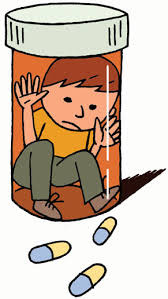
Repeated childhood trauma does cruel things to children. Things that never go away. Those things (behaviors/thoughts/self-harm/suicide) can be managed with help. Without help, depression, pain and sadness often become overwhelming.

Arizona rebuilt its child welfare agency in 2014 after 6,554 child abuse reports were marked “not investigated,” but new audits, deaths, and lawsuits show the same failure patterns emerging under a different name. This KARA deep dive consolidates Arizona’s own data, fatality reviews, and court records to expose how delays, documentation gaps, group home overreliance, and chronic turnover are still putting children at risk—and what that means for real reform.
The Alaska Children’s Alliance warns that Alaska has “some of the highest rates of child abuse and neglect in the nation,” noting research that 38% of children born in Alaska will be reported to child welfare before age 10 and nearly 1 in 7 will face an allegation of sexual abuse before age 12

What To Do For Foster and At Risk Children (a list of important things)
If you are concerned about at-risk children where you live, Check it Out!
A federal “bonfire of deregulation” and plans to erase “neglect” from child protection law are quietly dismantling Child Protective Services in America. Backed by the president and his base, these policies weaken legal protections, strip away thousands of pages of guidance, hide crucial government information, and slash funding—placing at‑risk children and families in even greater danger.

The Minnesota Promise Report is a foster led blueprint for changing how states treat children in CPS and foster care. It combines listening sessions, data, and bold ideas from Fosters themselves to define what it would mean for a state to truly keep its promise to children. Sharing this report with colleagues and state representatives is one way to support Foster Advocates—and to spark similar efforts across the country.
KARA reports on the issues of at risk children by curating a wide lens on child abuse and child protection. This post pulls together recent coverage from newspapers, universities, public health departments, UNICEF, the White House, and frontline advocates around National Child Abuse Prevention Month. You’ll see how childhood verbal abuse carries an estimated $300 billion global economic burden, how violence and neglect are rising in communities from Erie County to the Sahel, and how leaders are calling for better collaboration, stronger families, and more transparent systems to protect children. At the heart of the post is a simple call to action: choose one KARA podcast, article, or video that speaks to you and send it to your state representative or county commissioner, joining a growing movement to give voice to voiceless children.
This article uses NCANDS data to identify the best and worst states for very young children in CPS, highlighting where infants and toddlers face the greatest risk of severe harm or death and how troubled, overwhelmed child protection systems are struggling with heavy caseloads and too few resources. It points lawmakers, advocates, and communities toward more transparent CPS reporting, stronger early childhood support, and data driven reforms that can actually protect kids and support families.
Children’s mental health crisis post COVID is no longer invisible. California’s Surgeon General Nadine Burke Harris has declared adverse childhood experiences a public health threat, while foster children across the nation are being overprescribed psychotropic drugs and suicide has become the second leading cause of death for youth ages 10 to 24. In Minnesota and beyond, emergency rooms are filling with suicidal children because there are too few pediatric mental health beds, rural facilities are closing, and communities fight against group homes instead of embracing trauma informed care. At the same time, teachers are leaving the classroom in high numbers as ACES driven violence and chaos make schools feel more like mental health wards than places of learning. This KARA post brings together data, frontline stories, and policy examples—from New Jersey’s “Road Forward” plan to the federal Mental Health Services for Students Act—to show how deeply our systems are failing abused and traumatized children, and why embracing early intervention, honest reporting, and real support for educators, families, and kids is critical now.

Mandated Reporters genuinely fear for their safety and reputation and regularly fail to report (or, “see”) horrific child abuse to avoid potential damage to themselves.

For a Deeper Dive on this or other topics, hit the DEEP DIVE button on the lower right corner of this page. This conversation about how the safety and wellbeing of abused and neglected children is directly tied to measuring child outcomes within the system. The lack of institutional transparency being discussed in West Virginia…
Child Abuse and Child Protection Stories & Statistics Arizona & Arkansas

This is one of the 88 stories of children dying at the hands of their caregivers reported in the recent Safe Passage For Children investigation of child death in Minnesota. The report suggests why this tragedy is happening in our state and how we can make life safer for at risk children (in the read more at the end of the article). Please share this with your contacts and State Representative. Sophia O’Neill, Hennepin County

Foster Care; Every state is struggling to make life safe for traumatized state ward children. Here are their stories from October & November 2017;
KS: Nowhere Else to Go: Why Kids Are Sleeping in Child Welfare Offices (Commentary)
Governing – October 11, 2017
Every month, there are kids in Kansas forced to sleep on cots or couches in a foster care contractor’s office because they don’t have anywhere else to stay that night.
All Adults Are The Protectors of All Children

Intake notes from County CPS
These are a tiny sample of County intake notes
social workers and guardians ad Litem are assigned each week;

A recent MN Governor ended subsidized daycare in the state – the waiting list went from 34 families to 7000.
At the time, two percent of MN children were enrolled in high quality early childhood education programs- the national average was 25% and MN had the lowest rate among the 38 states that offer the programs.
Cutting the pie smaller for children is destructive, leads to failing students and schools, troubled communities, and the highest crime rates in the industrialized world.
Where does your state rank in protecting children & what can you do to make improvements. These statistics tell the stories of our best and worst states around the nation

Childhood trauma and Post‑Traumatic Stress Disorder (PTSD) in war veterans look different on the surface—but biologically, they are strikingly similar. We accept that a soldier torn apart by bullets or standing next to a friend killed by a bomb will carry invisible brain injuries. Yet we still struggle to see how growing up in a violent, chaotic, or deeply neglectful home can damage a child’s brain in many of the same ways.
Statistics and effects of anti-LGBTQ+ policies on Youth in the United States today
Transgender Child Interview Anna, IN HER WORDS:

KARA Podcasts: Powerful Conversations About Interrupting and Ending Child Abuse

Child maltreatment does not end when a CPS case is closed. The same children who enter child protection often show up later in juvenile justice and adult prison, driving recidivism rates of 70–80% and an estimated cost of more than $1.3 million per child. These numbers expose a foster care‑to‑prison pipeline and a massive misuse of public funds—money that could instead be invested in proven early childhood and trauma‑informed programs that break the cycle of abuse, crime, and incarceration.
Fear and Firing of Mandated Reporters (KARA podcast)…professionals being punished, losing their jobs, and facing lawsuits for fulfilling their duties