A black face mask with the phrase 'GIVE KIDS A VOICE' printed in white.

Family First & Child Neglect Studies and Reporting 2

Contrary to a common assumption, neglect is not less damaging than abuse. Research shows neglect victims have lifelong problems because they miss developmental milestones around language, self-control, and bonding with others.

A constant dilemma in neglect cases is whether to traumatize children by removing them from their families, or leave them in situations where their brains aren’t developing normally.

Quality Early Childhood Education (ECE) programs can make it possible to leave children at home while helping their parents improve parenting skills.

This study documents that neglect victims who got ECE moved quickly from having a language deficit to the normal range. Language development is critical to academic success and positive interpersonal relationships.
ECE can help many children avoid foster care and still obtain the baseline skills they need to thrive.

Join the Discussion on Facebook

Make a difference for the children of Minnesota today,
Donate Here!

Children of diverse backgrounds holding hands around Earth.

Modern Slavery in the UK: How the Law Still Fails Children

Modern slavery did not end with history books. The UK Modern Slavery Act was meant to protect victims and hold traffickers accountable, yet thousands of children remain exploited, re trafficked, and left without real support. This KARA post explains how the law works, where it fails child victims, and what advocates say must change—plus concrete ways you can help push systems toward real protection.

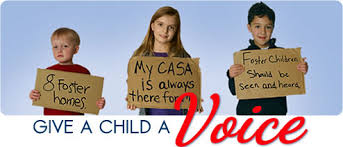
Children holding signs advocating for children's rights and voices.

From Reporting to Preventing: Community Action for Child Abuse Prevention in Minnesota

This list of Minnesota resources—and the note below—is taken directly from CASA Minnesota in recognition of National Child Abuse Prevention Month, a time to reflect on what it really means to build safe, supportive communities where every child can thrive.

Young boy with dark hair wearing a white shirt outdoors.

Ethan’s Story: How Foster Care Failed a Traumatized Child

Ethan’s story follows one boy taken from his parents into foster care, abused in placement, struggling with guilt and suicidality, and now facing adulthood alone. His journey exposes how often our foster care system fails traumatized children—and why changing life for foster youth will take all of us.

Silhouettes of a family with two adults and one child.

What Principals and Administrators Can Do to Keep Children Safe and Help Them Heal

Principals and district leaders are on the front lines of childhood trauma. This guide shows how to create trauma informed school climates, rethink discipline, strengthen mental health systems, engage families, use data, and advocate for policy change so vulnerable students are safer and more able to learn.

Logo for Kara, Kids at Risk Action organization.

What Social Workers Can Do: Reclaiming Hope and Safety for At‑Risk Children

Child welfare social workers stand where children’s trauma meets family hardship and broken systems. This trauma‑informed guide shows how social workers can find invisible kids, demand real accountability, build strong teams, use mandated reporting with courage, support caregivers, protect themselves from burnout, and turn casework into lasting system reform.

Children holding signs advocating for children's rights and voices.

National Volunteer Week: Why CASA/GAL Volunteers Matter for At‑Risk Kids in Minnesota

During National Volunteer Week, we’re shining a light on CASA and Guardian ad Litem volunteers in Minnesota—the trained community members who stand beside abused and neglected children in court, give them a consistent adult voice, and help judges make better decisions about safety, healing, and permanency.

Person peeking through a torn cardboard hole with visible eyes and hands.

April and Preventing Child Abuse in a Time of Rising Risk

April is National Child Abuse Prevention Month, and in 2026 we’re facing a time of rising risk for children. Economic stress, untreated mental health needs, online exploitation, and overburdened child protection systems are all pushing more families to the edge, while the nonprofits and advocates children rely on are stretched thin. This April, “awareness” isn’t enough. We need honest data about how many children are being hurt, real support for families before crisis, and stronger tools for the people on the front lines—teachers, CASAs, clinicians, social workers, and neighbors—who see abuse first and are often the only ones who can stop it.

Logo for Kara, Kids at Risk Action organization.

CASA Volunteers & Child Abuse Prevention Month: Building Protective Factors for Children

April’s National Child Abuse Prevention Month reminds us that protecting children means more than responding after harm—it means building strong families, supportive communities, and systems that recognize warning signs early, with CASA volunteers turning those prevention ideals into reality for children in court by offering consistent advocacy for safety, healing, and stable homes.

Two hands gently holding each other in a comforting gesture.

From Classrooms to Homeless Shelters: How Our Choices Hurt Children

Compared to other advanced nations America treats children and the people who care for them as an afterthought and then acts surprised when our schools and child‑welfare systems are overwhelmed with troubled children suffering from health and mental health issues.

A girl with messy hair looks worried beside a chalkboard with writing.

Pediatric Clinicians Needed to Guide KARA’s National Child Abuse Platform”

Pediatricians see the front line of child abuse, trauma, neglect, and family crisis. Kids At Risk Action (KARA) is building a national child abuse information platform so clinicians, caregivers, policymakers, and families can quickly find the resources and solutions they need in one place. We’re inviting pediatric clinicians to review this work and share how it could best support screening, referrals, family education, and advocacy. If this resonates with your practice, please connect or email mike@invisiblechildren.org—and share this widely.

Logo for Kara, Kids at Risk Action organization.

Fosters and the Orphan Tax: How States Take Social Security from Foster Youth ________________________________________

Most foster youth only discover years later that Social Security benefits meant for them were taken by counties to “reimburse” foster care costs, leaving them to age out with no savings, no housing deposit, and no money for school or a car. With up to one third experiencing homelessness by their mid 20s and earning far less than their peers, every dollar matters. This post explains how the so called “orphan tax” works, why the complexity argument is specious, and how existing Social Security and ABLE style accounts could be used to protect foster youths’ benefits instead of padding agency budgets.

Person peeking through a torn cardboard hole with visible eyes and hands.

What You Can Do Series – What Therapists Can Do

Therapists—whether working in schools, clinics, community settings, private practices, or as part of multidisciplinary teams—are often the first, sometimes the only, professionals capable of translating the science of trauma into lasting recovery.

Logo for Kara, Kids at Risk Action organization.

The Physics of Child Protection in America

Child protection in America behaves like a complex system engineered for surveillance, not support. Poverty, racism, and weak safety nets keep generating the same tragedies. What would happen if we rebuilt it around children’s rights, prevention, and healing?

Silhouettes of a family with two adults and one child.

A Closer Look At Child Fatality and Egregious Incident Reporting

Child Fatality & Egregious Incident Reporting: A U.S. Overview America’s approach to exposing and understanding the gravest harms done to children—fatalities, near-deaths, torture, and catastrophic agency failures—reveals a nation deeply divided by geography, law, and political will. The result is a patchwork of minimal transparency. Some states shine a light on information that has been…

Close-up of a child's face with braided hair and intense eyes.

Child Abuse Sad Stories & Statistics (1ST 45 days in 2026))

Child abuse doesn’t stop for holidays or election years. In just the first 45 days of 2026, sad stories and new statistics are already piling up. This post tracks those cases and numbers to show how many invisible children still need our protection.

Silhouettes of a family with two adults and one child.

The Quantum Mechanics of Childhood Abuse & Trauma

Childhood abuse leaves epigenetic “scars” that behave like quantum events in a child’s developing brain—shifting the whole trajectory of a life and even echoing across generations. This post links trauma, ACEs, and America’s worst health, violence, and inequality statistics.

Silhouettes of a family with two adults and one child.

New Jersey Recent Child Abuse Death, Egregious Harm & Child Protection Issues

New Jersey’s recent child abuse tragedies—from Ne’Miya Duncan’s death days after a welfare visit to two brothers killed in Hillsborough—show deep failures in DCPP’s ability to protect children. This post highlights specific deaths, lawsuits, and state fatality data that reveal a child protection system still in crisis.

Children of diverse backgrounds holding hands around Earth.

LGBTQ Foster Care, Suicide, & Ground Truths (podcast #3 in KARA’s foster care series)

the harsh realities faced by LGBTQ+ youth in the foster care system — a population far too often isolated, unsupported, and at devastating risk of homelessness, suicide, and trauma. They share staggering statistics, heartbreaking stories, and expose how

Silhouettes of a family with two adults and one child.

Aaliya Goodwins Death & Why (podcast)

This episode of KARA’s podcast tells the story of 5 month old Aaliya Goodwin, who died of positional asphyxia while in the care of her drug abusing parents. Drawing on the Safe Passage for Children investigation, we explore eight prior reports, repeated “Family Assessments,” and the systemic choices that left Aaliya unprotected.

Silhouettes of a family with two adults and one child.

California Recent Child Abuse Death, Egregious Harm & Child Protection Issues

Recent California cases show children dying in foster homes, day care, and families long known to CPS, exposing egregious child protection failures. This post highlights specific deaths, audits, and multimillion dollar settlements that prove these are systemic problems, not isolated tragedies.

Child Death and Public Non Disclosure (podcast)

Listen to KARA’s child welfare podcast on child death and public non-disclosure. Learn how secrecy laws and closed child protection records hide patterns of failure when children die—and what real transparency and accountability should look like.​

Young girl with red hair in a white dress, surrounded by darkness.

INVISIBLE CHILDREN (their stories) audiobook – listen free here

Listen to the powerful Invisible Children audio book and hear firsthand how our institutions fail abused and neglected children and learn what we can do to change the system. Hear the heartbreaking stories from CASA and guardian ad litem volunteers about children moved through multiple foster homes, children jailed instead of treated for trauma, and…

Black T-shirt with bold white text promoting kids' voices.

The Cost of Children Waiting for Their Voice In Court (Guardian ad Litem)

Hundreds of children in Minnesota’s child protection system are waiting for a guardian ad litem – the only independent voice they have in court. Every extra month in foster care deepens trauma and drives up costs. This article explains how many children have no GAL, what it costs in dollars and human suffering, and why restoring and expanding CASA/GAL programs is both a moral and fiscal imperative.

Yellow text on a transparent background.

Revisiting the Death Of Eric Dean (& where we are today)

In 2014, Safe Passage for Minnesota Children reported that Pope County would face no legal penalty for its role in the slow tortured death of 4-year-old Eric Dean at the hands of his stepmother Amanda Peltier. Brandon Stahl presented Star Tribune readers with the sad fact that four Minnesota counties screen out 90% of child abuse calls.  Read more for a review of child abuse death since Eric Dean.

Children holding signs advocating for children's rights and voices.

Can Our Relationship Survive This Debate About Child Safety? – CPS reform and racism

Can a working relationship survive a fundamental disagreement about child safety? On our CASA board, a Black single mother and a white older man wrestle with whether CPS protects children or destroys families. This post explores that conflict and what it tells us about fixing a child protection system that is both racist and, at times, fatally timid.

Child Death and Public Non Disclosure (podcast)

Listen to KARA’s child welfare podcast on child death and public non-disclosure. Learn how secrecy laws and closed child protection records hide patterns of failure when children die—and what real transparency and accountability should look like.​

Logo of Invisible Children, advocating for at-risk youth.

Minnesota Family Preservation Law and Child Safety: When “Keep Families Together” Puts Children at Risk

Minnesota’s African American Family Preservation Act aims to reduce racial disproportionality in child welfare. But underfunded “family preservation first” policies can leave abused children in dangerous homes or unsafe kinship foster care, with deadly consequences documented in Safe Passage fatality reports.​

Children of diverse backgrounds holding hands around Earth.

“Child Labor in Cocoa Farming in West Africa: How Chocolate Fuels Abuse—and How We Can Help

It is an open secret that child labour is rampant throughout the supply chains of major chocolate brands like Nestle, Mars and Ferrero. Despite international guidelines and targets to eradicate child labour, a lack of political will and lack of strict corporate legal responsibility enables the continued use of child labour.

Injustice Watch logo with stylized text and orange triangles.

Direct & Collateral Damage of ICE Raids on Schools and Daycare

Imagine being a child watching armed officers dragging children and teachers from your school and the chaos of citizen protesters risking violence to stop it. These attacks are destroying the fabric of your community and will make your next days, weeks, and months of classroom learning full of fear that it will happen again.

Targeting children in or around schools to enforce immigration laws is a profoundly traumatizing attack on children and ethical failure of a society’s duty protect minors.

Silhouettes of a family with two adults and one child.

The Multiple Meanings of Child Neglect in Law (& what it means to families)

Parents unable to buy food for their child because of poverty are different from caregivers leaving their babies without food or care by absence, or because they are incapacitated by substance abuse or are the kind of parents who spend all their food money on drugs.

This parental distinction is also true for caregivers unable to bring their babies and toddlers in for medical appointments or court appearances. The difference between parents that would if they could and those that simply are too dysfunctional because of severe mental health or substance abuse issues are stark.

Silhouettes of a family with two adults and one child.

Holding the Line For Children In Need of Protection

What is it like to do social work, child protection, or nonprofit work with at‑risk children and families in this climate? How do you avoid being worn down by the steady drip of misinformation, negative media, and viral “anti‑CPS” narratives that are hitting workers and agencies hard?

Silhouettes of a family with two adults and one child.

Dissecting President Trump’s Child Protection Executive Order (share this widely)

Trump’s recent Presidential Order appears in its entirety below in the Read More section of this post. Added to the order today, is conflicted and confusing language that will have a terrible impact on the quality of life for millions of America’s abused and neglected children, families, and the communities they live in.

Close-up of a child's face with braided hair and intense eyes.

Child Well-Being in the U.S. vs Other Rich Countries: Poverty, Mortality, and Violence

The United States ranks near the bottom of wealthy countries for child well-being, with higher child poverty, infant mortality, and firearm deaths than its peers. Learn what the data shows and why it matters.​

Children of diverse backgrounds holding hands around Earth.

Every State Has Child Death by Abuse/Neglect, Only a Few Make the News

This from Idaho today. The tip the iceberg reported on by Safe Passage for Children of Minnesota recently. Add to this the Federal Government’s “Bonfire of Deregulation” millions of abused and neglected children will be underserved and many more of them die of trauma and abuse in 2026.

Children holding signs advocating to give children a voice.

Millions of Abused Children, 2 Powerful Programs, 1000’s of Volunteers—and Little Public Awareness”

Because CASA and Children’s Advocacy Centers remain largely unknown, at‑risk children and families lose critical lifelines they don’t even realize exist. Low public awareness means fewer mandated reporters, neighbors, teachers, and relatives can to turn when they suspect abuse—or how to push for a CASA volunteer or a CAC referral when a child enters the system. It depresses volunteer recruitment for CASA and philanthropic support for both models, limiting how many children can be served. It also allows policymakers to underfund these services…

Black T-shirt with white text promoting kids' voices.

When Family Preservation and Deregulation Kill Children: Safe Passage Fatality Data

U.S. child welfare “bonfire of deregulation” and family‑preservation‑first strategies are unfolding in a landscape where children already have very few enforceable federal rights to safety, and where independent research shows large numbers of children dying at the hands of their caregivers.​ Safe Passage findings: children dying in “known” danger The Safe Passage for Children of…

Silhouettes of a family with two adults and one child.

Christmas Wish From a Child Protection Worker

I have sat in emergency rooms at 2 a.m. holding the hand of a child who flinched at every sudden sound, because of the things done to her at home. I have watched little ones arrive at foster homes with all their belongings in a trash bag, eyes wide and silent, trying to be “good” so no one will send them away again. I have seen teenagers scream, swear, and hit people, when what they really were was traumatized, terrified, and broken.