Raised By The Courts, A Judge’s Insight Into Juvenile Justice
“I’m sorry, Javaris,” I said after sentencing. “I can’t excuse your crimes, but somehow I think that we failed you too. Your family failed you, the system failed you.”
Details“I’m sorry, Javaris,” I said after sentencing. “I can’t excuse your crimes, but somehow I think that we failed you too. Your family failed you, the system failed you.”
DetailsChildren in the U.S. are still being tried as adults and sentenced to die in prison. This post explains how juvenile life sentences work, the trauma and racial injustice they reflect, what adult prisons do to kids, and where real reform is finally beginning to take hold.
DetailsStar Tribune investigations reveal how Minnesota’s Family Assessment track allowed severe child abuse to continue and sometimes end in child death. KARA unpacks what went wrong, why it matters, and how you can help protect children and support CASA guardians ad litem.
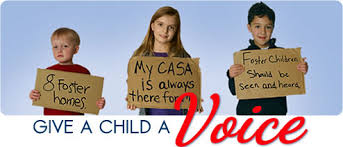
DetailsAbused and neglected children cannot speak for themselves. Watch KARA’s award‑winning video and learn how CASA volunteers and informed adults can speak up, protect kids, and push lawmakers to improve child protection systems.
Volunteer CASA Guardians ad Litem spend their days with abused and neglected children that have been raped, neglected, beaten, and tortured by other means.
DetailsKARA Conversations brings experienced child advocacy speakers to your classroom, congregation, nonprofit or civic group for short, powerful Zoom sessions on child abuse, childhood trauma and how Child Protective Services really works. Choose a 30 minute overview with Q&A or a customized 60 minute event, and help the people where you live move from concern to concrete action for children.
DetailsKids At Risk Action presented a workshop at the fourth annual Youth Assembly at the United Nations in New York
DetailsAn investigative report from Pennsylvania’s TribLive found that nearly 30% of 845 child deaths and near-deaths from 2018–2022 were tied to parental drug use—often in families already known to Child Protective Services. Similar patterns are emerging in Minnesota, Allegheny County and other states. This KARA article shares real children’s stories, shows how CPS and child-fatality systems are failing to track the true scale of drug-related child deaths, and calls on adults everywhere to demand better data, oversight and protection.
DetailsMandated reporters are often the first adults to see that a child is in danger. This guide explains what to look for, how to document and report suspected abuse, how to push past barriers when systems falter, and how to care for yourself while treating mandatory reporting as a lifeline, not just a legal checkbox.
DetailsGlobal value chains and fast‑fashion business models do not just “reflect” child labour in countries like Bangladesh – they help design it into the system. Research by Eshanee Singh, Michael Nielsen and the CLARISSA programme shows how multinational buyers, through relentless pressure for lower prices and faster production, push risks and costs down onto informal workshops and necessity‑driven family businesses, where employing children often becomes the only way to survive. Instead of treating child labour as a distant cultural problem, this work makes clear that it is a predictable outcome of corporate decisions in boardrooms and purchasing offices, and that real change will come only when citizens, consumers and investors demand supply chains that value children’s lives more than shareholders’ dividends.
DetailsGlobal value chains and multinational enterprises hold enormous power over labour practices in Bangladesh’s garment and leather industries. As responsibility for working conditions shifts from the state toward corporate social responsibility, under resourced labour inspectorates and export dependent strategies leave child labour embedded in business models.
This post uses Michael E. Nielsen’s 2005 analysis and CLARISSA’s research to show how precarious contracts, foreign loans, rising material costs and fragmented supply chains push informal enterprises to cut labour costs by relying on children. It argues that corporate acceptance of “that’s just the way things are done over there” hides the real drivers of child labour and that both nation states and corporations must change how they structure production if they are serious about ending exploitation.
Child Protective Services is one of the least understood and least transparent systems we fund, even though childhood trauma drives enormous costs in education, health care, crime, and prisons. This KARA article argues that taxpayers, children, and communities are all paying for our blind spots around CPS, shows how negative narratives and politics are pushing the system into crisis, and calls on readers to demand real data and trauma-informed reform.
DetailsRepeated childhood trauma does cruel things to children. Things that never go away. Those things (behaviors/thoughts/self-harm/suicide) can be managed with help. Without help, depression, pain and sadness often become overwhelming.
DetailsArizona rebuilt its child welfare agency in 2014 after 6,554 child abuse reports were marked “not investigated,” but new audits, deaths, and lawsuits show the same failure patterns emerging under a different name. This KARA deep dive consolidates Arizona’s own data, fatality reviews, and court records to expose how delays, documentation gaps, group home overreliance, and chronic turnover are still putting children at risk—and what that means for real reform.
DetailsThe Alaska Children’s Alliance warns that Alaska has “some of the highest rates of child abuse and neglect in the nation,” noting research that 38% of children born in Alaska will be reported to child welfare before age 10 and nearly 1 in 7 will face an allegation of sexual abuse before age 12
DetailsStudent‑on‑teacher violence is rising in Minnesota classrooms, and trauma is walking through the door long before the school bell rings. Children who grow up with beatings, sexual abuse, and neglect often bring survival‑brain reactions into class, turning ordinary directions into perceived threats. Without trauma‑informed support, teachers are being injured, driven from the profession, and left to “just deal with” a crisis they did not create.
Uncooperative often violent response to authority figures is normal for traumatized children. It’s driven by repeated pain and terror visited upon a child that has been unable to escape repeated trauma and abuse.
DetailsChild labour in Bangladesh remains widespread, especially in the informal economy and leather industry, where children work extreme hours in toxic, hazardous conditions for less than US$2 a day. Drawing on a 2024 UNICEF report, a five year CLARISSA study, and a foundational ILO assessment of push and pull factors, this post explains why Bangladesh is a child labour hot spot and how poverty, poor health, and employer demand keep children trapped in dangerous work instead of school.
Excerpt
Child labour in Bangladesh has not disappeared—it has shifted into the informal economy, where children work long hours in toxic, unsafe conditions for very low pay. A 2024 UNICEF report shows that child labour rates remain significantly high, while a five year CLARISSA study reveals that 27% of workers in small leather enterprises are children handling chemicals, heavy loads, and dangerous machinery.
This post also revisits a key 1997 ILO assessment of push and pull factors that explains why poverty, poor health, disaster, and employer demand continue to drive children into hazardous work instead of school. Together, these findings show why Bangladesh remains a hot spot for child labour and why solutions must address both household poverty and the structure of informal labour markets.
What To Do For Foster and At Risk Children (a list of important things)
If you are concerned about at-risk children where you live, Check it Out!
DetailsA federal “bonfire of deregulation” and plans to erase “neglect” from child protection law are quietly dismantling Child Protective Services in America. Backed by the president and his base, these policies weaken legal protections, strip away thousands of pages of guidance, hide crucial government information, and slash funding—placing at‑risk children and families in even greater danger.
DetailsFoster care is meant to protect children whose lives are in danger, but for many youth, it leads to a painful transition into adulthood with little support and almost no transparency. Most critical data in Child Protective Services (CPS) is never tracked or reported, and decades of experience show that nearly 80% of youth aging out of foster care go on to lead dysfunctional lives, with enormous costs to public health, safety, and education.
This article, based on the work of Minnesota’s FOSTER ADVOCATES, explores the realities of foster care and the Extended Foster Care (EFC) program: the barriers youth face, the strengths of EFC, and the systemic gaps in housing, data, training, and life skills preparation. It concludes with 14 recommendations to improve data, accountability, and support so that foster youth are not punished for trauma, but given a real chance at stability and success.
Read, share, and then contact your legislators using the links provided to demand better outcomes for foster youth
Fast fashion isn’t just cheap—it’s costing children their childhoods. From cotton fields to perfume flowers to luxury jewelry, kids are working long hours in dangerous conditions so brands can protect profits. Learn how the fashion industry still relies on child labour and what you can do to stop it.
DetailsLife would be better for abused and neglected children if more people truly understood what they face—and what we can do to help. This coming fall and winter, KARA is inviting universities, community centers, and businesses to engage our INVISIBLE CHILDREN Community Conversations.
This traveling program is available to organizations, colleges/universities, and community venues within an hour’s drive of the Twin Cities metro and is designed to create awareness and solutions for at risk children and families in Minnesota.
KARA’s Children’s Freedom Crusade uses a Fourth of July freedom theme to demand real life, liberty, and happiness for abused and neglected children—and to build a national, child first movement that puts their safety and healing first.
DetailsA CASA guardian ad litem shares what it is like to advocate for a deeply traumatized 14 year old foster boy when there is no safe housing or mental health care available. The system that removed him for his safety is now steering him toward adult court and prison, not healing. We can change that.
DetailsUsing KARA’s friend Ned’s “backwards car” analogy, this post explains how Child Protective Services is structured to protect its own bureaucracy rather than children. Conflicts of interest, secrecy, and missing metrics mean CPS often produces what it was designed to stop. The fix starts with transparency and informed legislators.
Details 2023 Investigative Report on MN Children Killed
by Caregivers While in Child Protective Services
To be fair, what does an overwhelmed institution do when caseloads double and budgets are cut in half? Rural counties will always be underfunded, understaffed and unable to provide the level of service larger urban areas can with their larger budgets giving them more options.
DetailsKARA is at a turning point. After 25 years of telling the hard truths about abused and neglected children, Kids At Risk Action is launching an AI‑driven National Child Abuse Data and Solutions Platform and a college‑intern network to make hidden trauma visible, connect data to real solutions, and support CASA and child‑advocacy programs nationwide. We’re asking donors and those with donor‑advised funds to partner with us so this platform can reach at‑risk children and families, frontline workers, and policymakers who need better information to protect kids.
DetailsChild Protective Services exists to protect children, yet recent investigations show children being tortured, brutalized, and even murdered while known to CPS. Leadership that values efficiency over child safety is failing its mission. CASA’s “For the Child” model shows what child centered leadership should look like—and why urgent change is needed to stop preventable child deaths.
DetailsWisconsin’s public website for child death and egregious CPS incidents shows what honest tracking can look like. Minnesota’s Safe Passage child fatality report revealed children murdered by caregivers while known to CPS, but near deaths and egregious harm are still invisible. Until we count those cases, Minnesota will continue to tolerate extreme child abuse as a hidden human rights violation.
DetailsThe Convention on the Rights of the Child is the most widely ratified human rights treaty in history. Every other nation has agreed that children have basic rights to safety, health, education, voice, and protection from exploitation and extreme punishment. The U.S. has never ratified it.
DetailsThe Minnesota Promise Report is a foster led blueprint for changing how states treat children in CPS and foster care. It combines listening sessions, data, and bold ideas from Fosters themselves to define what it would mean for a state to truly keep its promise to children. Sharing this report with colleagues and state representatives is one way to support Foster Advocates—and to spark similar efforts across the country.
DetailsKARA reports on the issues of at risk children by curating a wide lens on child abuse and child protection. This post pulls together recent coverage from newspapers, universities, public health departments, UNICEF, the White House, and frontline advocates around National Child Abuse Prevention Month. You’ll see how childhood verbal abuse carries an estimated $300 billion global economic burden, how violence and neglect are rising in communities from Erie County to the Sahel, and how leaders are calling for better collaboration, stronger families, and more transparent systems to protect children. At the heart of the post is a simple call to action: choose one KARA podcast, article, or video that speaks to you and send it to your state representative or county commissioner, joining a growing movement to give voice to voiceless children.
DetailsThis article uses NCANDS data to identify the best and worst states for very young children in CPS, highlighting where infants and toddlers face the greatest risk of severe harm or death and how troubled, overwhelmed child protection systems are struggling with heavy caseloads and too few resources. It points lawmakers, advocates, and communities toward more transparent CPS reporting, stronger early childhood support, and data driven reforms that can actually protect kids and support families.
DetailsChildren’s mental health crisis post COVID is no longer invisible. California’s Surgeon General Nadine Burke Harris has declared adverse childhood experiences a public health threat, while foster children across the nation are being overprescribed psychotropic drugs and suicide has become the second leading cause of death for youth ages 10 to 24. In Minnesota and beyond, emergency rooms are filling with suicidal children because there are too few pediatric mental health beds, rural facilities are closing, and communities fight against group homes instead of embracing trauma informed care. At the same time, teachers are leaving the classroom in high numbers as ACES driven violence and chaos make schools feel more like mental health wards than places of learning. This KARA post brings together data, frontline stories, and policy examples—from New Jersey’s “Road Forward” plan to the federal Mental Health Services for Students Act—to show how deeply our systems are failing abused and traumatized children, and why embracing early intervention, honest reporting, and real support for educators, families, and kids is critical now.
DetailsMandated Reporters genuinely fear for their safety and reputation and regularly fail to report (or, “see”) horrific child abuse to avoid potential damage to themselves.
Detailsinformation from the CASAMN website about Guardian ad Litem volunteer opportunities, CASA CARES grants for Minnesota children, and updates on the program’s recent newsworthy events.
DetailsFor a Deeper Dive on this or other topics, hit the DEEP DIVE button on the lower right corner of this page. This conversation about how the safety and wellbeing of abused and neglected children is directly tied to measuring child outcomes within the system. The lack of institutional transparency being discussed in West Virginia…
DetailsThis is one of the 88 stories of children dying at the hands of their caregivers reported in the recent Safe Passage For Children investigation of child death in Minnesota. The report suggests why this tragedy is happening in our state and how we can make life safer for at risk children (in the read more at the end of the article). Lylah Koob, Goodhue County
DetailsChild Abuse and Child Protection Stories & Statistics Arizona & Arkansas
DetailsThis is one of the 88 stories of children dying at the hands of their caregivers reported in the recent Safe Passage For Children investigation of child death in Minnesota. The report suggests why this tragedy is happening in our state and how we can make life safer for at risk children (in the read more at the end of the article). Please share this with your contacts and State Representative. Sophia O’Neill, Hennepin County
DetailsOver 25 years ago the rest of the world (194 nations) decided that children have basic human rights and begin signing the International Rights of the Child Treaty. Under this document, children are to have the rights to education, safety and well being including not to be made soldiers, not to be enslaved).
America is the only nation that has not signed that agreement, largely because we still demand that southern states continue to militarize youth as young as eleven, through military schools.
DetailsFoster Care; Every state is struggling to make life safe for traumatized state ward children. Here are their stories from October & November 2017;
KS: Nowhere Else to Go: Why Kids Are Sleeping in Child Welfare Offices (Commentary)
Governing – October 11, 2017
Every month, there are kids in Kansas forced to sleep on cots or couches in a foster care contractor’s office because they don’t have anywhere else to stay that night.
All Adults Are The Protectors of All Children
DetailsAre children property of their parents even if those parentsre violent, addicted, severely mentally ill or dangerously criminal?
DetailsIntake notes from County CPS
These are a tiny sample of County intake notes
social workers and guardians ad Litem are assigned each week;
DetailsA recent MN Governor ended subsidized daycare in the state – the waiting list went from 34 families to 7000.
At the time, two percent of MN children were enrolled in high quality early childhood education programs- the national average was 25% and MN had the lowest rate among the 38 states that offer the programs.
Cutting the pie smaller for children is destructive, leads to failing students and schools, troubled communities, and the highest crime rates in the industrialized world.
DetailsAfter the COVID19 lockdowns are lifted, and children and teachers return to the the classroom after months of fear and isolation, wouldn’t it be wonderful if students and teachers do not have to replace the daily fear of a virus with the daily fear of violence?
What can the community do to make that happen?
How many teachers have combat training or signed up to pack a weapon when they entered the profession? Turnover in education is already a huge problem. Packing a gun is what police and soldiers do. Shooting someone takes training – shooting the right person takes extensive training. For decades now, guns have been more often used for suicide than self-defense in America. This is true also for domestic violence.
DetailsFor a Deeper Dive on this or other topics, hit the DEEP DIVE button on the lower right corner of this page. Odds are, you know somebody sex trafficking has impacted. Minnesota has the third highest number of human trafficking cases in the U.S. annually. The Twin Cities have the 13th highest rate of child prostitution.…
DetailsWhere does your state rank in protecting children & what can you do to make improvements. These statistics tell the stories of our best and worst states around the nation
DetailsChildhood trauma and Post‑Traumatic Stress Disorder (PTSD) in war veterans look different on the surface—but biologically, they are strikingly similar. We accept that a soldier torn apart by bullets or standing next to a friend killed by a bomb will carry invisible brain injuries. Yet we still struggle to see how growing up in a violent, chaotic, or deeply neglectful home can damage a child’s brain in many of the same ways.
Details