
Alone and Afraid: Immigration Through the Eyes of a Child
A 13-year-old stood alone before an immigration judge in Texas last week. Twenty-five children sat on the benches, some as young as 3. This is what they said, and why it is happening now.

A 13-year-old stood alone before an immigration judge in Texas last week. Twenty-five children sat on the benches, some as young as 3. This is what they said, and why it is happening now.

The new KARA website is live at kidsatriskaction.com. Thirty years of reporting on abused and neglected children, the Deep Dive reports, the podcast, and the data, all in one place. Before we call it finished, we want your reaction (one sentence is fine)
Five Minnesota daycares in one month. South St. Paul, Rochester, Prior Lake, Hastings, Duluth. Licensed providers charged with hitting, slapping, and bruising the children in their care. The youngest was four months old. Here is what a single month of Minnesota child abuse headlines actually looks like.

As a governor, you can move child protection from fragmented crisis response to coordinated, prevention centered, trauma informed systems that truly improve children’s lives. This article shows how executive vision, upstream budgets, transparent data, trauma informed and equity driven standards, foster care and juvenile justice reforms, and expanded mental health access can turn child safety and healing into core state priorities rather than side projects.

As an attorney general, you hold extraordinary power to shape whether abused and traumatized children are protected or abandoned to failing systems. This article shows how you can make child welfare and trauma a core priority, investigate systemic failures and enforce mandated reporting, litigate and regulate for transparency and reform, tackle disparities and overmedication, and lead policy, coordination, and public engagement. By using the full authority of your office, you can turn systemic child harm from a hidden crisis into a mandate for justice and healing.
As a state lawmaker, you have enormous power to shape whether vulnerable children experience systems as punitive and chaotic or protective and healing. This article lays out a roadmap for making child safety a statewide priority, mandating transparency and equity, investing in prevention and early intervention, embedding trauma informed standards across systems, reforming foster care and juvenile justice, and guaranteeing mental health care and strong aftercare. By grounding your statutes, budgets, and oversight in ACEs science and lived experience, you can turn the tide for children’s safety, healing, and long term well being.

Most CPS reporting gives lawmakers only snapshots: how many kids are in care today, how many reports this year. KARA argues that counties must keep de identified, family level longitudinal records so legislators can see multi generational involvement, understand which interventions reduce repeat removals, and design policies that break cycles of trauma instead of just managing them case by case, year by year.

Physicians are often the first and only trusted adults able to see the hidden injuries of child abuse and neglect. This post explains what physicians can do about child abuse: recognize red flags, use ACEs and trauma‑informed care, act on reasonable suspicion, and advocate so fewer children suffer in silence and more find safety and healing.

When child protection systems worship efficiency, children lose. Ned’s metaphor and KARA’s data reveal how underfunded CASAs and overloaded workers leave abused kids without a voice in court or in their own life.

Global value chains and multinational enterprises hold enormous power over labour practices in Bangladesh’s garment and leather industries. As responsibility for working conditions shifts from the state toward corporate social responsibility, under resourced labour inspectorates and export dependent strategies leave child labour embedded in business models.
This post uses Michael E. Nielsen’s 2005 analysis and CLARISSA’s research to show how precarious contracts, foreign loans, rising material costs and fragmented supply chains push informal enterprises to cut labour costs by relying on children. It argues that corporate acceptance of “that’s just the way things are done over there” hides the real drivers of child labour and that both nation states and corporations must change how they structure production if they are serious about ending exploitation.

Arizona rebuilt its child welfare agency in 2014 after 6,554 child abuse reports were marked “not investigated,” but new audits, deaths, and lawsuits show the same failure patterns emerging under a different name. This KARA deep dive consolidates Arizona’s own data, fatality reviews, and court records to expose how delays, documentation gaps, group home overreliance, and chronic turnover are still putting children at risk—and what that means for real reform.
The Alaska Children’s Alliance warns that Alaska has “some of the highest rates of child abuse and neglect in the nation,” noting research that 38% of children born in Alaska will be reported to child welfare before age 10 and nearly 1 in 7 will face an allegation of sexual abuse before age 12

Child labour in Bangladesh remains widespread, especially in the informal economy and leather industry, where children work extreme hours in toxic, hazardous conditions for less than US$2 a day. Drawing on a 2024 UNICEF report, a five year CLARISSA study, and a foundational ILO assessment of push and pull factors, this post explains why Bangladesh is a child labour hot spot and how poverty, poor health, and employer demand keep children trapped in dangerous work instead of school.
Excerpt
Child labour in Bangladesh has not disappeared—it has shifted into the informal economy, where children work long hours in toxic, unsafe conditions for very low pay. A 2024 UNICEF report shows that child labour rates remain significantly high, while a five year CLARISSA study reveals that 27% of workers in small leather enterprises are children handling chemicals, heavy loads, and dangerous machinery.
This post also revisits a key 1997 ILO assessment of push and pull factors that explains why poverty, poor health, disaster, and employer demand continue to drive children into hazardous work instead of school. Together, these findings show why Bangladesh remains a hot spot for child labour and why solutions must address both household poverty and the structure of informal labour markets.

Childhood trauma and Post‑Traumatic Stress Disorder (PTSD) in war veterans look different on the surface—but biologically, they are strikingly similar. We accept that a soldier torn apart by bullets or standing next to a friend killed by a bomb will carry invisible brain injuries. Yet we still struggle to see how growing up in a violent, chaotic, or deeply neglectful home can damage a child’s brain in many of the same ways.

KARA Podcasts: Powerful Conversations About Interrupting and Ending Child Abuse

Child maltreatment does not end when a CPS case is closed. The same children who enter child protection often show up later in juvenile justice and adult prison, driving recidivism rates of 70–80% and an estimated cost of more than $1.3 million per child. These numbers expose a foster care‑to‑prison pipeline and a massive misuse of public funds—money that could instead be invested in proven early childhood and trauma‑informed programs that break the cycle of abuse, crime, and incarceration.

Child Protective Services (CPS) is one of the most criticized institutions in our communities, yet much of what people believe about CPS simply isn’t true. Research summarized by Safe Passage for Children of Minnesota and child welfare scholars debunks common myths about surveillance bias, racial disparities, poverty versus neglect, the effectiveness of evidence‑based treatments, and the impact of foster care on children’s lives. This post highlights what the data actually show and why understanding these misconceptions is crucial for building more child‑centric policies, supporting stressed CPS workers, and protecting abused and neglected children more effectively.

Jamie and Alex delve into the harrowing issue of children dying within the Child Protective Services (CPS) system. They discuss a groundbreaking report revealing that 200 children have died while within the CPS system,
America’s Child Protection System is producing the very harms it was meant to prevent: overflowing prisons, broken families, unsafe classrooms, and communities overwhelmed by untreated trauma. This post explains how secrecy, extreme caseloads, deregulation, and our refusal to recognize children’s rights have hollowed out CPS—and lays out four practical steps toward real reform: radical transparency, safe caseloads, rebuilt legal protections, and child‑centered laws that treat children as rights‑holders, not afterthoughts.

Josh and Maya share a powerful story of a young boy on the brink of being locked up, not because he was dangerous, but because the system lacked transparency
Parental alcohol and drug abuse, especially in the context of poverty, is one of the strongest drivers of child abuse and neglect. From fetal alcohol spectrum disorders that injure children before birth to criminalized meth labs and chronic neglect, substance use reshapes a child’s brain, home, and future. This post explains how addiction, poverty, and policy collide to harm children — and why real solutions must treat substance use as both a child protection and public health crisis.

School counselors are often the only adults who truly see what traumatized students are living through. This article explains how trauma informed school counseling can spot abuse and adversity early, lead school wide change, coordinate crisis response, connect families to community support, and sustain counselors doing this work. With real world stories and a curated resource list, it’s a practical guide for counselors supporting students impacted by trauma and adverse childhood experiences.
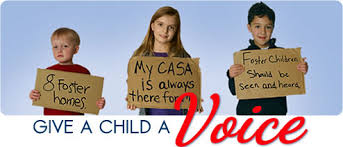
Minnesota’s Guardian ad Litem and CASA program has been under real strain—lost volunteers, rising caseloads, and stressed systems have put vulnerable children at risk. Alex Miller’s Minnesota CASA leadership as Chief Information Officer and Interim Program Administrator is helping move the program from crisis toward recovery. By modernizing technology, strengthening data security, and working transparently with the State Guardian ad Litem Board, he has helped stabilize turnover and rebuild trust. The result is a system that is slowly regaining its footing and putting more trained, supported advocates in the lives of abused and neglected children.

Official child welfare numbers may capture only part of the crisis. This analysis explains how poverty, Family Assessment practices, underreporting, misreporting, and weak transparency can hide the true scale of harm to children—and why future projections must account for what the system fails to record.
dive into the “ground truth” of the foster care system — exposing the often-unseen hardships children face even after being placed in protective care. Through heartbreaking stories like Alex’s and alarming statistics on abuse

Child abuse redefines the way a child thinks and sees the world. Abused children have severely limited learning and coping skills. An abused child’s mental development has been arrested by an anxiety and fear that supercede the learning of other personal and social skills. Without personal and social skills, and a lessening of the anxieties and fears, Abused children fail at school, don’t make friends, and keep a terribly low self image.
This deep dive expands on KARA’s child welfare crisis post by walking through five Northeastern University capstone projects. Together, they use national data, infant mortality models, county level forecasting, and poverty analysis to show where children are most at risk—and how KARA AND YOU can use this research to drive policy change.

This is the longest and most powerful and articulate suicide note I’ve ever read and it has great meaning to me for its power to relate these two incomprehensible sorrows (abuse & suicide).

Stop hunting in the dark. Explore the best national child abuse data sources plus frontline resources for CASAs, foster parents, educators, and policymakers.
Modern slavery did not end with history books. The UK Modern Slavery Act was meant to protect victims and hold traffickers accountable, yet thousands of children remain exploited, re trafficked, and left without real support. This KARA post explains how the law works, where it fails child victims, and what advocates say must change—plus concrete ways you can help push systems toward real protection.
This list of Minnesota resources—and the note below—is taken directly from CASA Minnesota in recognition of National Child Abuse Prevention Month, a time to reflect on what it really means to build safe, supportive communities where every child can thrive.

Becoming Foster Responsive: Foster Facts and Resources For Families (Healing, Advocating, and Saving Young Lives)
Child welfare social workers stand where children’s trauma meets family hardship and broken systems. This trauma‑informed guide shows how social workers can find invisible kids, demand real accountability, build strong teams, use mandated reporting with courage, support caregivers, protect themselves from burnout, and turn casework into lasting system reform.
During National Volunteer Week, we’re shining a light on CASA and Guardian ad Litem volunteers in Minnesota—the trained community members who stand beside abused and neglected children in court, give them a consistent adult voice, and help judges make better decisions about safety, healing, and permanency.
Foster parenting is about much more than providing a bed. This guide shows caregivers how to insist on full trauma histories, document key events, advocate against medication‑only approaches, partner with schools and agencies, and use their lived experience to reform systems and transform children’s lives.
April is National Child Abuse Prevention Month, and in 2026 we’re facing a time of rising risk for children. Economic stress, untreated mental health needs, online exploitation, and overburdened child protection systems are all pushing more families to the edge, while the nonprofits and advocates children rely on are stretched thin. This April, “awareness” isn’t enough. We need honest data about how many children are being hurt, real support for families before crisis, and stronger tools for the people on the front lines—teachers, CASAs, clinicians, social workers, and neighbors—who see abuse first and are often the only ones who can stop it.

Flint’s Rx Kids program has spent about $14 million giving pregnant and new parents roughly $6,250 per baby in flexible cash—money families use for rent, food, diapers, and medical care. By contrast, CDC linked research puts the lifetime cost of a single child maltreatment case at roughly $830,000, and a year of foster care can cost $41,000 or more per child. If cash support keeps even a small share of vulnerable families out of CPS, the investment likely pays for itself many times over—while sparing children the trauma of removal and system involvement.

Compared to other advanced nations America treats children and the people who care for them as an afterthought and then acts surprised when our schools and child‑welfare systems are overwhelmed with troubled children suffering from health and mental health issues.
This episode of the Kids at Risk Action podcast dives into the science and societal impact of Adverse Childhood Experiences (ACEs)—early life traumas like abuse, neglect, and household instability that dramatically shape physical and mental health outcomes. Through powerful commentary from child advocates

how media coverage of child welfare too often focuses only on tragedy — fueling blame, misunderstanding, and reduced public support for the very systems meant to protect vulnerable children.
These are the insights of a 77-year-old victim of childhood abuse. He was not aware of the root cause which dominated his life until he was 65 years-old and ran across references to resilience and child abuse. Bill is a thoughtful, deep thinker. The following observations result from his reflection on his life.
Before this report, no one knew how many children in CPS were dying or how they died. Chances are the number of children murdered at the hands of their caregivers is much larger than the 200 listed in the report.
Why do so many fosters aging out of care struggling in school, becoming homeless, addicted, have criminal records and unable to hold down a job?
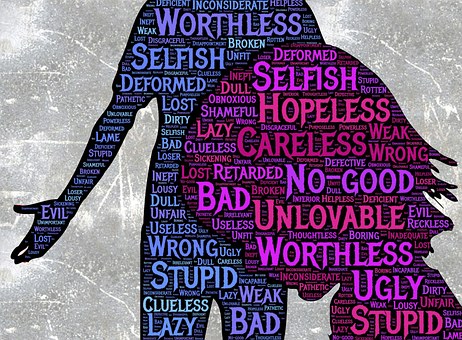
Reckless & ill-Advised Public Policy For Endangered Children
child abuse around the nation and internationally.

In 2020, he child and teen gun death rate in the U.S. was more than 3 times higher than that in Turkey, the country with the next highest rate; 11 times higher than in Israel; 19 times higher than in Switzerland and 85 times higher than in the United Kingdom