
Alone and Afraid: Immigration Through the Eyes of a Child
A 13-year-old stood alone before an immigration judge in Texas last week. Twenty-five children sat on the benches, some as young as 3. This is what they said, and why it is happening now.

A 13-year-old stood alone before an immigration judge in Texas last week. Twenty-five children sat on the benches, some as young as 3. This is what they said, and why it is happening now.

WI Child Abuse Reporting April 1- May 9 2024

Learning cannot come before safety for many traumatized foster children. Practical, trauma-informed strategies can help rebuild trust, curiosity, confidence, and skills one small moment at a time.
Rising pediatric hospitalizations for suicide and self-harm expose a child mental-health crisis—and a major data gap in child protection. KARA calls for earlier trauma-informed care, stronger safety systems, and public reporting on whether children in CPS are truly safe and healing.

How did you come to terms with your identity?
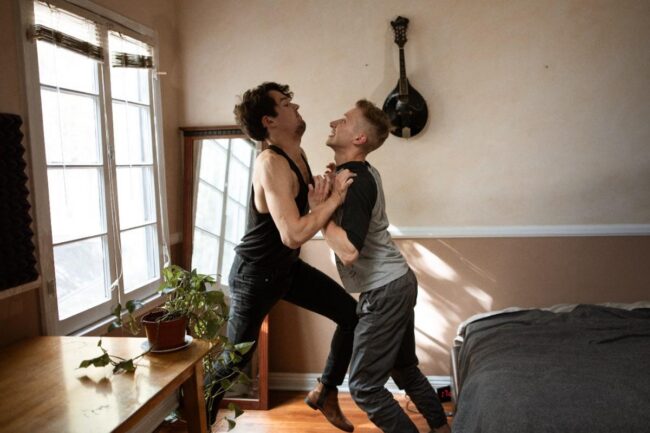
Being queer and the sexuality part wasn’t as hard for me. I always knew I liked women. The journey was then finding out who else I liked and what I didn’t like. I feel like when you first join the community, you’re not always presented with how many identities there are. I feel like a lot of people tend to come in uneducated, and I think that’s definitively how I came in. I come from a very homophobic town, so we didn’t have that many people that were out. I didn’t know much. I started identifying as queer because I’m still not sure. My gender identity took a lot longer…

Child Protective Services (CPS) can’t keep children safe (or alive) in opposition to State and Federal law.

Abused and neglected children cannot speak for themselves. Watch KARA’s award‑winning video and learn how CASA volunteers and informed adults can speak up, protect kids, and push lawmakers to improve child protection systems.
Volunteer CASA Guardians ad Litem spend their days with abused and neglected children that have been raped, neglected, beaten, and tortured by other means.
Child Protective Services is one of the least understood and least transparent systems we fund, even though childhood trauma drives enormous costs in education, health care, crime, and prisons. This KARA article argues that taxpayers, children, and communities are all paying for our blind spots around CPS, shows how negative narratives and politics are pushing the system into crisis, and calls on readers to demand real data and trauma-informed reform.
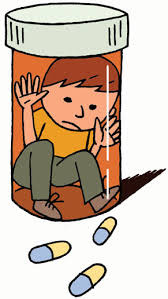
Repeated childhood trauma does cruel things to children. Things that never go away. Those things (behaviors/thoughts/self-harm/suicide) can be managed with help. Without help, depression, pain and sadness often become overwhelming.

What To Do For Foster and At Risk Children (a list of important things)
If you are concerned about at-risk children where you live, Check it Out!

Using KARA’s friend Ned’s “backwards car” analogy, this post explains how Child Protective Services is structured to protect its own bureaucracy rather than children. Conflicts of interest, secrecy, and missing metrics mean CPS often produces what it was designed to stop. The fix starts with transparency and informed legislators.

2023 Investigative Report on MN Children Killed
by Caregivers While in Child Protective Services
To be fair, what does an overwhelmed institution do when caseloads double and budgets are cut in half? Rural counties will always be underfunded, understaffed and unable to provide the level of service larger urban areas can with their larger budgets giving them more options.

shining a light on child advocacy,

Childhood trauma and Post‑Traumatic Stress Disorder (PTSD) in war veterans look different on the surface—but biologically, they are strikingly similar. We accept that a soldier torn apart by bullets or standing next to a friend killed by a bomb will carry invisible brain injuries. Yet we still struggle to see how growing up in a violent, chaotic, or deeply neglectful home can damage a child’s brain in many of the same ways.
Child maltreatment does not end when a CPS case is closed. The same children who enter child protection often show up later in juvenile justice and adult prison, driving recidivism rates of 70–80% and an estimated cost of more than $1.3 million per child. These numbers expose a foster care‑to‑prison pipeline and a massive misuse of public funds—money that could instead be invested in proven early childhood and trauma‑informed programs that break the cycle of abuse, crime, and incarceration.

Josh and Maya share a powerful story of a young boy on the brink of being locked up, not because he was dangerous, but because the system lacked transparency

Minnesota’s child protection system is repeatedly returning severely abused children to unsafe homes — and some are dying as a result. Drawing on the Star Tribune’s “In Harm’s Way” investigation, Safe Passage’s child fatality data, and my experience as a CASA guardian ad litem, this post exposes how opaque CPS practices, ignored warning signs, and a lack of accountability keep kids in danger. Learn what’s going wrong, why it matters for every Minnesotan, and how you can help push lawmakers to finally put children’s safety first.

Kids at Risk Action, hosts Alex and Jordan explore the profound impact of Adverse Childhood Experiences (ACEs) and how childhood trauma can affect individuals throughout their lives, much like PTSD in veterans.
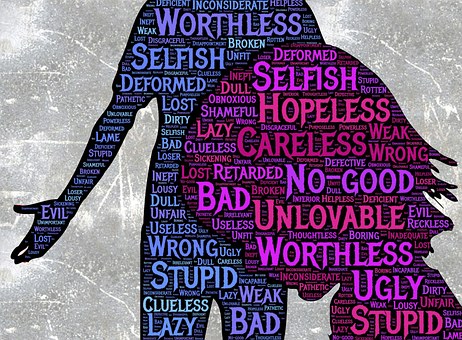
Childhood trauma, suicide and self-harm among American youth are at historic highs, with alarming increases among fosters, preteens, girls, LGBTQ+ youth, and children of color. Suicide is now the second leading cause of death for ages 10–24, and nearly one in five high school students has seriously considered suicide in the past year. Rates of self-harm, especially among young girls and LGBTQ+ youth, have surged, with emergency room visits for self-injury rising dramatically since 2020

For years, young people aging out of foster care have told us the same story: they are expected to become independent adults overnight, often without stable housing, reliable income, or consistent adult support. Minnesota has made some important strides—extended foster care, Northstar payments, education vouchers, and youth advocacy organizations—but the lived reality for too many youth is still homelessness, interrupted education, legal and financial barriers, and parenting without support.
85 percent of all juveniles who come into contact with the juvenile court system are functionally illiterate. So are 60 percent of all prison inmates. Inmates have a 16 percent chance of returning to prison if they receive literacy help, as opposed to 70 percent for those who receive no help

free and discounted resources for foster and adopted children and families
Child abuse crosses every community in America. This page gathers the strongest national statistics on maltreatment, CPS investigations, fatalities, and lifetime impacts on children’s brains and futures — along with links to leading data sources and resources for prevention, advocacy, and reform.

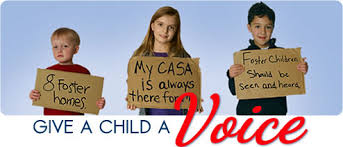
Abused and neglected children don’t have a voice in the politics and policies that rule their lives. They are at the mercy of our politicians and institutions that serve them.

Because CASA and Children’s Advocacy Centers remain largely unknown, at‑risk children and families lose critical lifelines they don’t even realize exist. Low public awareness means fewer mandated reporters, neighbors, teachers, and relatives can to turn when they suspect abuse—or how to push for a CASA volunteer or a CAC referral when a child enters the system. It depresses volunteer recruitment for CASA and philanthropic support for both models, limiting how many children can be served. It also allows policymakers to underfund these services…

Responding to the Presidential Order addressing Neglect: Keeping neglect as a primary gateway into CPS is essential because what looks like “just poverty” on the surface is often a pattern of chronic educational, emotional, and safety failures that permanently damages children and fuels intergenerational harm.
This post gets at the meaning of President Trump’s Presidential Order bringing change to America’s Child Protection System. If you support the work KARA is doing to improve the lives of abused and neglected children and at-risk families, read to the bottom and send this link to your State Representative (find them in the link below).
Emma and Michael expose the staggering economic cost of ignoring childhood trauma. With U.S. taxpayers absorbing trillions in health care, education loss, criminal justice, and reduced productivity, the data paints a devastating picture:
Emma and Michael expose how childhood trauma is quietly devastating the lives of millions of children—some as young as toddlers—who are misdiagnosed, overmedicated, and left unsupported in overwhelmed systems.

In this PODCAST episode of Kids at Risk Action, Emma and Michael expose the massive $14.1 trillion economic toll of untreated childhood trauma in America. They connect the dots between Adverse Childhood Experiences (ACEs) and long-term impacts on health, education, and the justice system
Both my parents were abused as children. Child abuse is epigenetic – like hair and eye color. My childhood went away when the abuse started. I lived in a constant state of fight or flight, freeze, or fawn and when there was no escape the only thing left was to FAIL. A child trapped in inescapable child abuse trauma fails all the time.

For the next biennium, legislators appropriated 40 million dollars to modernize Minnesota’s Social Services Information System. This will create more training, collection of child welfare data, clarity, transparency, and best practices throughout the “life of a case” and shine a light on how well or poorly programs and policies are working. This upgrade of our…
Safe Passage For Children of Minnesota has helped bring the issue of transparency of child abuse death and near death into the light and Legislature in our State. In about three weeks, Minnesota will create a statewide child fatality and near fatality review panel to track cases of children dying and suffering egregious harm while…

tell our child abuse and child protection stories (over and over) and work to improve the programs, people, and institutions that impact at risk children.

What’s it like for a two or five year child old watching mom or dad beaten or murdered in a drug fueled bout of domestic violence? How long does childhood trauma last? What happens to a child after being removed from the home and placed in foster care (podcast)?
These 2 minute Ms. Sarah Washington podcast interview snippets offer a narrative on institutions and child friendly policies you may not have heard before.
KIDS AT RISK ACTION / KARA / INVISIBLE CHILDREN HISTORY
It also means that children growing up in toxic homes steeped in violence, abuse, and severe neglect are about to have the only chance they have of escaping life changing childhood trauma evaporate.
National CASA Federal Funding Terminated

Yanelin Montalvo-Valdez (yesterday Star Tribune) personifies the pain and punishment heaped upon the 50 innocent children I advocated for as a CASA Guardian ad Litem volunteer
Spotify Episode # 30 Click Here For the Audio: What it’s like Being a CASA Child Advocate Summary: This is a short description of one Community CASA Guardian ad Litem’s experience being a child advocate in the Child Protection System.

2025 – A Happier New Year For At Risk Children

Many foster youth and abused and neglected children in toxic homes suffer especially during the holidays. There is no joy in being removed from your birth home or to continue living in a birth home with broken parents and the behaviors that come with abusive caregivers.
About 25% of the children and young adults in California foster care have attempted suicide. 41% of LGBTQ kids seriously thought of killing themselves last year.

Dear Reader, As the year comes to a close, we want to thank you for following our Saturday INVISIBLE CHILDREN updates. Your readership is helping KARA spread awareness of child abuse and trauma, and the work that needs to be done to save and heal at-risk children. KARA relies on the generosity of our…

Peter Hutchinson’s recent Star Tribune article points to how the current MN budget surplus could fully fund programs that would make children healthier, better educated and (ALL OF US) safer.

http://invisiblechildren.org/2013/07/04/mandated-reporting-or-basic-responsibility-its-absence-is-killing-wisconsin-pennsylvania-children/ Facebook Replacing Mandated Reporters for Child Abuse? Don’t Blame The Mandated Reporter (why child abuse reporting is sporadic) Fear and Firing of Mandated Reporters of Child Abuse Being A Mandated Reporter (and what it means) Reporting Maltreatment Of Children; How Minnesota Does It (State Statute – 626.556) Tolerating Child Death in Minnesota (thank you…

COVIDs Impact on CPS, CASA volunteers, & Guardian ad Litem Staff

What topic needs more attention on KARA’s website?
Email you answer to info@invisiblechildren.org with SURVEY in the subject line.
KARA compiles child abuse and neglect stories and data about
abused and neglected children