
Alone and Afraid: Immigration Through the Eyes of a Child
A 13-year-old stood alone before an immigration judge in Texas last week. Twenty-five children sat on the benches, some as young as 3. This is what they said, and why it is happening now.

A 13-year-old stood alone before an immigration judge in Texas last week. Twenty-five children sat on the benches, some as young as 3. This is what they said, and why it is happening now.

WI Child Abuse Reporting April 1- May 9 2024

Minnesota ranks fifth in the nation for child well-being and near last for racial equity. Both are true. Here is what the numbers show across education, juvenile justice, child protection, and health care, and what actually works to change them.

Firearm injuries are now the leading cause of death for children and teens ages 1 to 19. More than 4,400 kids ages 0 to 19 are shot and killed each year and more than 17,000 are shot and wounded, an average of 60 children a day. An estimated three million children witness a shooting each year.

The new KARA website is live at kidsatriskaction.com. Thirty years of reporting on abused and neglected children, the Deep Dive reports, the podcast, and the data, all in one place. Before we call it finished, we want your reaction (one sentence is fine)
Half of foster youth have been sexually abused. A quarter attempt suicide. Sixty percent carry a chronic illness or developmental delay. These are not estimates from advocates, they are federal data and peer-reviewed research. Here is what the numbers say about life inside Child Protective Services, and what would change them.

A draft federal rule would pay married stay-at-home parents about $9,000 a year per child, using money from the fund that helps low-income parents work. Eighty percent of the families using that fund now are single working parents. That rule is one item on a long list, and here is the whole list.

Learning cannot come before safety for many traumatized foster children. Practical, trauma-informed strategies can help rebuild trust, curiosity, confidence, and skills one small moment at a time.
Rising pediatric hospitalizations for suicide and self-harm expose a child mental-health crisis—and a major data gap in child protection. KARA calls for earlier trauma-informed care, stronger safety systems, and public reporting on whether children in CPS are truly safe and healing.

Half of foster youth have been sexually abused. A quarter attempt suicide. In Kentucky, 304 children slept in state office buildings with no showers. But cash support cuts removals, kinship licensing is adding homes, and every extra year in care past 18 lowers homelessness and arrest. Here is the evidence on both sides, all of it sourced.

How did you come to terms with your identity?
Being queer and the sexuality part wasn’t as hard for me. I always knew I liked women. The journey was then finding out who else I liked and what I didn’t like. I feel like when you first join the community, you’re not always presented with how many identities there are. I feel like a lot of people tend to come in uneducated, and I think that’s definitively how I came in. I come from a very homophobic town, so we didn’t have that many people that were out. I didn’t know much. I started identifying as queer because I’m still not sure. My gender identity took a lot longer…

Child Protective Services (CPS) can’t keep children safe (or alive) in opposition to State and Federal law.
Star Tribune investigations reveal how Minnesota’s Family Assessment track allowed severe child abuse to continue and sometimes end in child death. KARA unpacks what went wrong, why it matters, and how you can help protect children and support CASA guardians ad litem.

Kids At Risk Action presented a workshop at the fourth annual Youth Assembly at the United Nations in New York
Child Protective Services is one of the least understood and least transparent systems we fund, even though childhood trauma drives enormous costs in education, health care, crime, and prisons. This KARA article argues that taxpayers, children, and communities are all paying for our blind spots around CPS, shows how negative narratives and politics are pushing the system into crisis, and calls on readers to demand real data and trauma-informed reform.
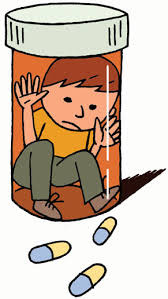
Repeated childhood trauma does cruel things to children. Things that never go away. Those things (behaviors/thoughts/self-harm/suicide) can be managed with help. Without help, depression, pain and sadness often become overwhelming.

What To Do For Foster and At Risk Children (a list of important things)
If you are concerned about at-risk children where you live, Check it Out!

Using KARA’s friend Ned’s “backwards car” analogy, this post explains how Child Protective Services is structured to protect its own bureaucracy rather than children. Conflicts of interest, secrecy, and missing metrics mean CPS often produces what it was designed to stop. The fix starts with transparency and informed legislators.

2023 Investigative Report on MN Children Killed
by Caregivers While in Child Protective Services
To be fair, what does an overwhelmed institution do when caseloads double and budgets are cut in half? Rural counties will always be underfunded, understaffed and unable to provide the level of service larger urban areas can with their larger budgets giving them more options.

Mandated Reporters genuinely fear for their safety and reputation and regularly fail to report (or, “see”) horrific child abuse to avoid potential damage to themselves.

For a Deeper Dive on this or other topics, hit the DEEP DIVE button on the lower right corner of this page. This conversation about how the safety and wellbeing of abused and neglected children is directly tied to measuring child outcomes within the system. The lack of institutional transparency being discussed in West Virginia…

shining a light on child advocacy,

Over 25 years ago the rest of the world (194 nations) decided that children have basic human rights and begin signing the International Rights of the Child Treaty. Under this document, children are to have the rights to education, safety and well being including not to be made soldiers, not to be enslaved).
America is the only nation that has not signed that agreement, largely because we still demand that southern states continue to militarize youth as young as eleven, through military schools.

A recent MN Governor ended subsidized daycare in the state – the waiting list went from 34 families to 7000.
At the time, two percent of MN children were enrolled in high quality early childhood education programs- the national average was 25% and MN had the lowest rate among the 38 states that offer the programs.
Cutting the pie smaller for children is destructive, leads to failing students and schools, troubled communities, and the highest crime rates in the industrialized world.
Where does your state rank in protecting children & what can you do to make improvements. These statistics tell the stories of our best and worst states around the nation

Childhood trauma and Post‑Traumatic Stress Disorder (PTSD) in war veterans look different on the surface—but biologically, they are strikingly similar. We accept that a soldier torn apart by bullets or standing next to a friend killed by a bomb will carry invisible brain injuries. Yet we still struggle to see how growing up in a violent, chaotic, or deeply neglectful home can damage a child’s brain in many of the same ways.
Child maltreatment does not end when a CPS case is closed. The same children who enter child protection often show up later in juvenile justice and adult prison, driving recidivism rates of 70–80% and an estimated cost of more than $1.3 million per child. These numbers expose a foster care‑to‑prison pipeline and a massive misuse of public funds—money that could instead be invested in proven early childhood and trauma‑informed programs that break the cycle of abuse, crime, and incarceration.

Josh and Maya share a powerful story of a young boy on the brink of being locked up, not because he was dangerous, but because the system lacked transparency

Minnesota’s child protection system is repeatedly returning severely abused children to unsafe homes — and some are dying as a result. Drawing on the Star Tribune’s “In Harm’s Way” investigation, Safe Passage’s child fatality data, and my experience as a CASA guardian ad litem, this post exposes how opaque CPS practices, ignored warning signs, and a lack of accountability keep kids in danger. Learn what’s going wrong, why it matters for every Minnesotan, and how you can help push lawmakers to finally put children’s safety first.

Official child welfare numbers may capture only part of the crisis. This analysis explains how poverty, Family Assessment practices, underreporting, misreporting, and weak transparency can hide the true scale of harm to children—and why future projections must account for what the system fails to record.
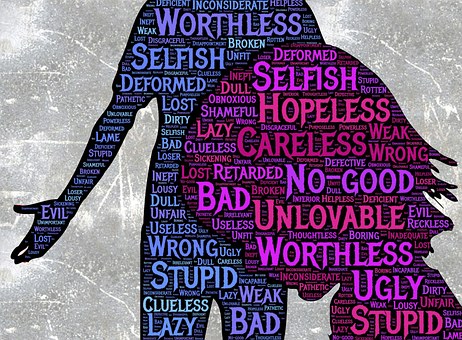
Childhood trauma, suicide and self-harm among American youth are at historic highs, with alarming increases among fosters, preteens, girls, LGBTQ+ youth, and children of color. Suicide is now the second leading cause of death for ages 10–24, and nearly one in five high school students has seriously considered suicide in the past year. Rates of self-harm, especially among young girls and LGBTQ+ youth, have surged, with emergency room visits for self-injury rising dramatically since 2020

TRAUMA INFORMED TEACHING, TRAUMA INFORMED CLASSROOMS Teachers as Mandated Reporters and Frontline Defenders – Teachers are uniquely positioned—they often spend more awake hours with children than any other adult, especially for those from troubled homes. They are confidants, first responders, and witnesses to the silent suffering of abused, neglected, or traumatized students.
This deep dive expands on KARA’s child welfare crisis post by walking through five Northeastern University capstone projects. Together, they use national data, infant mortality models, county level forecasting, and poverty analysis to show where children are most at risk—and how KARA AND YOU can use this research to drive policy change.

For years, young people aging out of foster care have told us the same story: they are expected to become independent adults overnight, often without stable housing, reliable income, or consistent adult support. Minnesota has made some important strides—extended foster care, Northstar payments, education vouchers, and youth advocacy organizations—but the lived reality for too many youth is still homelessness, interrupted education, legal and financial barriers, and parenting without support.
85 percent of all juveniles who come into contact with the juvenile court system are functionally illiterate. So are 60 percent of all prison inmates. Inmates have a 16 percent chance of returning to prison if they receive literacy help, as opposed to 70 percent for those who receive no help

Pediatricians see the front line of child abuse, trauma, neglect, and family crisis. Kids At Risk Action (KARA) is building a national child abuse information platform so clinicians, caregivers, policymakers, and families can quickly find the resources and solutions they need in one place. We’re inviting pediatric clinicians to review this work and share how it could best support screening, referrals, family education, and advocacy. If this resonates with your practice, please connect or email mike@invisiblechildren.org—and share this widely.
The United States speaks loudly about freedom yet stands alone in refusing to ratify the UN Convention on the Rights of the Child and in sentencing children to life without parole. This post explores how abused, neglected kids are denied rights, voice, and protection in our courts and public policy.

free and discounted resources for foster and adopted children and families
The WHO has highlighted alarming statistics. Millions of children suffer from preventable and treatable diseases, even though affordable treatment exists. Children’s right to health is recognized in several United Nations and international agreements. The growing economic power of multinational enterprises (MNEs) and pharmaceutical giants raises new questions. Many ask whether these private, non‑state entities have an obligation to ensure children’s right to health.

In 2025, the federal government declared a bonfire of deregulation in Child Protective Services (CPS) for 2026. This is part of a broader “parental rights” and religious liberty agenda. MAGA voices,

Abused and neglected children don’t have a voice in the politics and policies that rule their lives. They are at the mercy of our politicians and institutions that serve them.

Because CASA and Children’s Advocacy Centers remain largely unknown, at‑risk children and families lose critical lifelines they don’t even realize exist. Low public awareness means fewer mandated reporters, neighbors, teachers, and relatives can to turn when they suspect abuse—or how to push for a CASA volunteer or a CAC referral when a child enters the system. It depresses volunteer recruitment for CASA and philanthropic support for both models, limiting how many children can be served. It also allows policymakers to underfund these services…

“Why Do You Give?” is an invitation to turn concern into action for abused and neglected children. For 30 years, KARA and our volunteers have been researching, reporting, and speaking out about the most critical child protection issues of the day, giving voice to children who cannot speak for themselves.
National and federal data show that child neglect is the primary allegation in a clear majority of CPS cases, so removing neglect from CPS as an entry criterion would likely eliminate investigation for roughly 60–75% of the children who are currently investigated or substantiated, with some variation by state. About 7.8 million children / year are reported abused and neglected to CPS. Because child abuse is invisible, it is likely that at least that many children remain unseen and unreported. The Trump child welfare executive order leans heavily into language about “unnecessary removals” and “overreach”
This post gets at the meaning of President Trump’s Presidential Order bringing change to America’s Child Protection System. If you support the work KARA is doing to improve the lives of abused and neglected children and at-risk families, read to the bottom and send this link to your State Representative (find them in the link below).

WHEN IS CHILD ABUSE A CRIME?
AT THE HANDS OF THEIR PARENTS
If I had committed the crimes parents perpetrated upon these children, criminal child abuse laws would send me to jail. How can it be that because caregivers delivered the beatings, rapes and other traumas, the abuse was not a crime and children were all returned to their parents for more of the same (these Minnesota children died).
Emma and Michael expose the staggering economic cost of ignoring childhood trauma. With U.S. taxpayers absorbing trillions in health care, education loss, criminal justice, and reduced productivity, the data paints a devastating picture:
Emma and Michael expose how childhood trauma is quietly devastating the lives of millions of children—some as young as toddlers—who are misdiagnosed, overmedicated, and left unsupported in overwhelmed systems.
This episode of the Kids at Risk Action podcast dives into the science and societal impact of Adverse Childhood Experiences (ACEs)—early life traumas like abuse, neglect, and household instability that dramatically shape physical and mental health outcomes. Through powerful commentary from child advocates