Logo for Invisible Children, focusing on kids at risk.

2. How Colorado Hid Child Abuse Behind FAR Policy Changes (thank you Marie Cohen & Child Welfare Monitor)

Colorado claims a 40 percent drop in child abuse and neglect, but state data tell a different story. Hotline reports are up, while fewer cases are screened in, more are diverted to Family Assessment Response (FAR), instead of investigating the child. This looks less like safer children and more like a system that changed how it counts—and hides—childhood trauma and its victims.

Message highlighting the impact of neglect on children's protection.

“Kids Are Slowly Being Neglected To Death” – Hennepin County Judge Jane Ranum (Thank You from the children in my caseload)

Adverse Childhood Experiences (ACEs) are not just difficult memories—they’re powerful risk factors that shape how a child’s brain and body develop across a lifetime. In this Kids at Risk Action podcast, hosts Alex and Jordan explore how abuse, neglect, domestic violence, and other ACEs can lead to PTSD like symptoms, chronic stress, and higher risks of mental illness, addiction, and early death. They connect these experiences to systemic gaps in child welfare, schools, and health care, where children too often receive help only after they are in crisis instead of when early warning signs appear. The episode calls for trauma informed care, ACEs screening, and policy changes that fund prevention and resilience building, urging listeners to advocate for better support and a more compassionate, proactive approach to child welfare.

Close-up of a child's face with braided hair against a dark background.

The Foster Care Data We Don’t Track – And How This Hurts Children

Most of what we know about foster care comes from very thin data: how many children are in care, how many enter or exit each year. That’s not enough to guide policy or spending. This post explains which foster care outcomes Minnesota and other states still don’t track—years stuck in care, abuse in placement, endless moves, school disruption, medication without therapy, and what happens after youth age out—and why demanding honest, de‑identified data is one of the most powerful things you can do for abused and neglected children in your community.

A girl with messy hair looks worried beside a chalkboard with writing.

Adverse Childhood Experiences: Trauma, Testing, And Resilience (KARA podcast)

Adverse Childhood Experiences (ACEs) are not just bad memories—they are powerful risk factors that change how a child’s brain and body develop. In this Kids at Risk Action podcast episode, hosts Alex and Jordan explore how ACEs like abuse, neglect, and domestic violence can lead to PTSD like symptoms, chronic stress, and higher risks of mental illness, addiction, and early death. They connect the dots between ACEs and the systems that are supposed to help: child protection, schools, health care, and juvenile justice. Too often, children only get attention after they are failing, acting out, or in crisis, rather than receiving trauma informed support early. This episode calls for ACEs screening, early intervention, and policies that fund prevention, resilience building, and compassionate care—so children are not punished for symptoms of trauma but helped to heal and thrive.

People forming a star shape with their hands while looking up.

Creating Local Events For Child Advocacy

For child advocates supporting child advocacy organizations, local events can turn concern for abused and neglected children into real, repeatable engagement. The challenge is creating gatherings that are welcoming and energizing while still trauma informed, privacy safe, and grounded in child welfare priorities, especially with limited budgets and complex systems. This post lays out multiple event models—walks and rallies, arts and healing gatherings, youth leadership labs, policy facing tours, neighborhood family nights, learning series, and pop up outreach at existing festivals—that are practical and doable with modest resources. It also emphasizes designing for engagement beyond headcount, using hands on formats and small “do one thing today” actions so one well planned event becomes the starting point for stronger partnerships and coordinated advocacy for children.

Logo of Invisible Children, advocating for at-risk youth.

Children Are Under Attack: How Federal Funding Cuts Are Dismantling Kids’ Lifelines

Across the country, children’s lifelines are being quietly dismantled. Federal budget cuts and Project 2025–aligned proposals are targeting Medicaid and CHIP, SNAP and school meals, Head Start, child care, disability supports, civil rights protections, and even child abuse prevention and CASA programs. These changes will deepen child poverty and hunger, push more families into crisis, and “decimate the human services field,” according to the Child Welfare League of America. This post pulls together sources on what’s being cut, who is most at risk—especially immigrant, disabled, and LGBTQ+ children—and how you can call your elected officials and demand that child serving programs be protected, not eliminated.

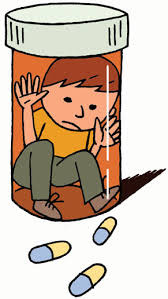
A colorful figure behind window bars in a sketch style.

Child Abuse & Prosecution in Texas: Kids, Courts, and a Broken System

Child abuse and prosecution in Texas tell a complex story that goes far beyond headline grabbing stings. Operation Soteria Shield rescued more than 100 children and led to over 200 arrests in a major FBI led crackdown on online child exploitation, while new state laws now require Texas schools to report educator misconduct and abuse more rigorously. At the same time, federal investigators have found unconstitutional conditions across Texas juvenile justice facilities, including sexual abuse, excessive force, and prolonged isolation, and judges have called the state’s use of psychotropic medications on foster youth “appalling,” with many children prescribed multiple powerful drugs without adequate oversight. Rising youth violence, racial disparities in child welfare and school discipline, and a documented child to prison pipeline mean that prosecution alone cannot keep children safe. This KARA report brings together data and sources on child abuse cases, foster care failures, juvenile justice, mental health, and recent legal reforms in Texas—and calls for trauma informed services, diversion programs, and stronger accountability to truly protect vulnerable children instead of merely reacting after the harm is done.

Empty classroom with text about ACES impact and hashtag #WEARENOTOK.

School Performance, Yesterday, Today, and Tomorrow & What To Do

• “Since 2020, national and state test data show steep declines in foundational reading and math skills that are not bouncing back on their own. If current trends hold, by 2034 a majority of U.S. students will need remedial support, deepening poverty, crime, and inequality across whole communities. This post pulls together NAEP, ACT, SAT, and state level projections—and outlines what leaders, advocates, and communities can do right now to change the trajectory.”

Illustration of trauma's impact on person, family, and people, emphasizing decontextualization over time.

Sometimes People Get Shot

• “From Cedarbluff, Mississippi, to parties in Houston and homes in Indiana, early 2026 brought mass shootings that briefly made headlines and then faded. This essay connects those tragedies to a deeper crisis: how our systems ignore childhood trauma, underfund mental health, and invest billions in punishment instead of care—creating adults who are dangerous because we failed them as children.”

Logo for Invisible Children, focusing on kids at risk.

How Missed Medical Red Flags Failed Baby Eli Hentges in Minnesota

Eli Hentges. This is one of the 88 stories of children dying at the hands of their caregivers reported in the recent Safe Passage For Children investigation of child death in Minnesota. The report suggests why this tragedy is happening in our state and how we can make life safer for at risk children (in the read more at the end of the article). Please share this with your contacts and State Representative.

Close-up of an eye with braided hair strands.

What Foster Parents Can Do: Healing, Advocating, and Transforming Lives – 3

Foster parenting is about much more than providing a bed. This guide shows caregivers how to insist on full trauma histories, document key events, advocate against medication only approaches, partner with schools and agencies, and use their lived experience to reform systems and transform children’s lives.

Silhouettes of a family with two adults and one child.

KARA Deep Dive Research

Free Deep Dive Information Service KARA’s new Free Deep Dive information service uses our national child abuse resource and solutions platform to uncover hard-to-find information and resources on child abuse and child protection issues. It helps families, professionals, and policymakers quickly access resources, specialized data, research, and practical tools that are often buried, scattered, or…

A young girl with messy hair looks sad in front of a blackboard with emotional writing.

Advocating for Child Protection in Everyday Life

Advocating for child protection doesn’t have to mean big campaigns or formal roles. This post shares simple, creative ways to weave child protection into everyday life—through conversations, community art, book discussions, resource sharing, and small “micro advocacy” projects. It includes a step by step starter plan, practical action ideas, and tips for finding trustworthy child safety resources so advocacy feels human, local, and sustainable.

Black T-shirt with bold white text promoting kids' voices.

Federal Chafee Changes vs. Minnesota Reality: Are Foster Youth Getting What They Need?

For years, young people aging out of foster care have told us the same story: they are expected to become independent adults overnight, often without stable housing, reliable income, or consistent adult support. Minnesota has made some important strides—extended foster care, Northstar payments, education vouchers, and youth advocacy organizations—but the lived reality for too many youth is still homelessness, interrupted education, legal and financial barriers, and parenting without support.

A black face mask with the phrase 'GIVE KIDS A VOICE' printed in white.

Family First & Child Neglect Studies and Reporting 2

Contrary to a common assumption, neglect is not less damaging than abuse. Research shows neglect victims have lifelong problems because they miss developmental milestones around language, self-control, and bonding with others.

A constant dilemma in neglect cases is whether to traumatize children by removing them from their families, or leave them in situations where their brains aren’t developing normally.

Quality Early Childhood Education (ECE) programs can make it possible to leave children at home while helping their parents improve parenting skills.

This study documents that neglect victims who got ECE moved quickly from having a language deficit to the normal range. Language development is critical to academic success and positive interpersonal relationships.
ECE can help many children avoid foster care and still obtain the baseline skills they need to thrive.

Join the Discussion on Facebook

Make a difference for the children of Minnesota today,
Donate Here!

Children of diverse backgrounds holding hands around Earth.

Modern Slavery in the UK: How the Law Still Fails Children

Modern slavery did not end with history books. The UK Modern Slavery Act was meant to protect victims and hold traffickers accountable, yet thousands of children remain exploited, re trafficked, and left without real support. This KARA post explains how the law works, where it fails child victims, and what advocates say must change—plus concrete ways you can help push systems toward real protection.

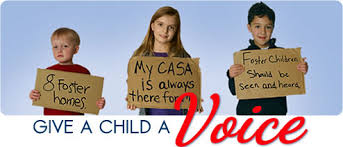
Children holding signs advocating for children's rights and voices.

From Reporting to Preventing: Community Action for Child Abuse Prevention in Minnesota

This list of Minnesota resources—and the note below—is taken directly from CASA Minnesota in recognition of National Child Abuse Prevention Month, a time to reflect on what it really means to build safe, supportive communities where every child can thrive.

Black T-shirt with white text promoting kids' voices.

Cost Neutral Child Protection: The Deadly Lesson of Gabriel Fernandez

When paramedics arrived, eight-year old Gabriel Fernandez was not conscious. His skull was cracked. Three ribs were broken. Bruises and burns covered his body. Two teeth were knocked out of his mouth. X-rays would later show that the third-grader had BB pellets embedded in his lung and groin. Gabriel’s mother, Pearl Fernandez, 29, and her boyfriend Isauro Aguirre, 32, told the paramedics that Gabriel’s injuries were self-induced. Later Aguirre said that he delivered ten or so blows to Gabriel’s stomach for lying and “being dirty.”

Before Gabriel’s death, his mother was the target of six investigations of child abuse. One of Gabriel’s teachers reported the boy coming to school battered. One of Gabriel’s therapists reported that Gabriel said that he was forced to perform oral sex on a family member. Gabriel told a teacher he’d been beat with a belt buckle until he bled and his mother shot him with a BB gun. Gabriel wrote a suicide note, found by his teacher.

According to documents obtained by the LA Times and a recent wrongful death lawsuit filed by Gabriel’s grandparents, Gabriel was never interviewed privately by a social worker about his abuse. Fernandez and Aguirre have been charged with first degree murder of a child. The two have yet to enter their pleas. Two months after Gabriel’s death, four DCFS employees related to his case were fired.

Young boy with dark hair wearing a white shirt outdoors.

Ethan’s Story: How Foster Care Failed a Traumatized Child

Ethan’s story follows one boy taken from his parents into foster care, abused in placement, struggling with guilt and suicidality, and now facing adulthood alone. His journey exposes how often our foster care system fails traumatized children—and why changing life for foster youth will take all of us.

Person peeking through a torn cardboard hole with visible eyes and hands.

Trauma Breathing for Kids: A Practical Toolkit for Caring Adults

Trauma breathing is a simple, trauma-informed “belly breathing” practice that helps calm a child’s amygdala and nervous system. This toolkit offers step-by-step instructions and ready-to-use scripts for teachers, caregivers, law enforcement, health workers, and other adults who support traumatized children.

Silhouettes of a family with two adults and one child.

Child Abuse and the Domino Effect: Why Lawmakers Need Real Data

When lawmakers finally see the human and financial numbers behind child abuse and neglect, our politics can treat it as the national emergency it is—not a niche social‑services problem. Over a lifetime, the “domino effect” of abused and neglected children touches every system we claim to care about: schools, crime, taxes, public health, and public safety

Silhouettes of a family with two adults and one child.

What Principals and Administrators Can Do to Keep Children Safe and Help Them Heal

Principals and district leaders are on the front lines of childhood trauma. This guide shows how to create trauma informed school climates, rethink discipline, strengthen mental health systems, engage families, use data, and advocate for policy change so vulnerable students are safer and more able to learn.

Logo for Kara, Kids at Risk Action organization.

What Social Workers Can Do: Reclaiming Hope and Safety for At‑Risk Children

Child welfare social workers stand where children’s trauma meets family hardship and broken systems. This trauma‑informed guide shows how social workers can find invisible kids, demand real accountability, build strong teams, use mandated reporting with courage, support caregivers, protect themselves from burnout, and turn casework into lasting system reform.

Bronze statue of a boy reading a book outdoors.

One Safe Adult, One Stable Place: The Hidden Power of Stability for Children

Children carrying high Adverse Childhood Experiences (ACEs) live in constant survival mode. Stable homes, consistent caregiving, and trauma-informed schools can lower toxic stress, repair trust, and rebuild hope. This article explains why stability is a core intervention—and how adults and communities can help at-risk youth heal and thrive.

Silhouettes of a family with two adults and one child.

Why Minnesota’s Youngest Students Are Turning Violent: Childhood Trauma in K–3 Classrooms

“157 staff injuries and 142 cleared classrooms in a single year raise a hard question: Why are Minnesota’s youngest students turning violent? This piece traces those outbursts back to unhealed childhood trauma—and outlines what K–3 schools, families, and policymakers must do differently if we want safer classrooms instead of more suspensions.”

A hand gripping through a torn paper hole.

Five Daily Habits That Help Traumatized Children Feel Safe at Home

Kids who’ve survived abuse or neglect don’t need perfect parents—they need calm, repeatable habits that make home feel safe. This guide explains five daily practices that lower reactivity, build trust, and help traumatized children feel safe at home, plus clear signs of trauma and next step resources for families.

Children holding signs advocating for children's rights and voices.

National Volunteer Week: Why CASA/GAL Volunteers Matter for At‑Risk Kids in Minnesota

During National Volunteer Week, we’re shining a light on CASA and Guardian ad Litem volunteers in Minnesota—the trained community members who stand beside abused and neglected children in court, give them a consistent adult voice, and help judges make better decisions about safety, healing, and permanency.

Silhouettes of a family with two adults and one child.

What Foster Parents Can Do: Healing, Advocating, and Transforming Lives

Foster parenting is about much more than providing a bed. This guide shows caregivers how to insist on full trauma histories, document key events, advocate against medication‑only approaches, partner with schools and agencies, and use their lived experience to reform systems and transform children’s lives.

Two people holding a large red heart with the text 'Live Generously'.

Support KARA’s Child Abuse Information Platform

Help Us Build the National Child Abuse Information Platform At-Risk Children and Families Deserve. Right now, people looking for hard facts about child abuse and child protection have to dig through scattered reports, paywalled studies and outdated websites. Front‑line workers, lawmakers, teachers, caregivers, and survivors are making life‑and‑death decisions without the clear, current information they need.

Person peeking through a torn cardboard hole with visible eyes and hands.

April and Preventing Child Abuse in a Time of Rising Risk

April is National Child Abuse Prevention Month, and in 2026 we’re facing a time of rising risk for children. Economic stress, untreated mental health needs, online exploitation, and overburdened child protection systems are all pushing more families to the edge, while the nonprofits and advocates children rely on are stretched thin. This April, “awareness” isn’t enough. We need honest data about how many children are being hurt, real support for families before crisis, and stronger tools for the people on the front lines—teachers, CASAs, clinicians, social workers, and neighbors—who see abuse first and are often the only ones who can stop it.

Logo for Kara, Kids at Risk Action organization.

CASA Volunteers & Child Abuse Prevention Month: Building Protective Factors for Children

April’s National Child Abuse Prevention Month reminds us that protecting children means more than responding after harm—it means building strong families, supportive communities, and systems that recognize warning signs early, with CASA volunteers turning those prevention ideals into reality for children in court by offering consistent advocacy for safety, healing, and stable homes.

Mother comforting her child outside a brick building.

Cash vs. CPS: What $14 Million Really Buys

Flint’s Rx Kids program has spent about $14 million giving pregnant and new parents roughly $6,250 per baby in flexible cash—money families use for rent, food, diapers, and medical care. By contrast, CDC linked research puts the lifetime cost of a single child maltreatment case at roughly $830,000, and a year of foster care can cost $41,000 or more per child. If cash support keeps even a small share of vulnerable families out of CPS, the investment likely pays for itself many times over—while sparing children the trauma of removal and system involvement.

Black T-shirt with white text promoting kids' voices.

Be a Tester: KARA’s Interactive Child Abuse Information Hub

KARA is piloting an AI driven, interactive child abuse and child protection information platform—and we need your help to shape it. By exploring the pilot and sharing what works, what’s confusing, and what’s missing, you’ll help us build a tool that truly serves educators, child advocates, families, policymakers, and others working with traumatized children. Your feedback in this early stage will guide how we organize data, refine answers, and add features before a wider launch.

Close-up of a child's face with braided hair and intense eyes.

Hungry Like a Wolf

Hungry Like a Wolf, a powerful new play about sexual predators, mirrors what I saw as a CASA guardian ad litem: very young children raped in their own homes, perpetrators never held accountable, and trauma that reshapes every part of a child’s life. In the U.S., 7.8 million children are reported abused each year—many sexually abused—and countless others are never seen. Until adults are willing to talk honestly about child sexual abuse and its lifelong impact, there will be no real push to change systems or protect children.

Children of diverse backgrounds holding hands around Earth.

Nation Out of Step: An Early Childhood Education Manifesto for 2026

Education is the engine of progress and prosperity. A nation that underinvests in its children’s earliest years limits its own future. Neuroscience and economics now converge on a simple truth: what happens from birth to age five shapes the brain, health, behavior, and earning power for life—and early childhood education is where that development can be steered toward success.

Two hands gently holding each other in a comforting gesture.

From Classrooms to Homeless Shelters: How Our Choices Hurt Children

Compared to other advanced nations America treats children and the people who care for them as an afterthought and then acts surprised when our schools and child‑welfare systems are overwhelmed with troubled children suffering from health and mental health issues.

A girl with messy hair looks worried beside a chalkboard with writing.

Pediatric Clinicians Needed to Guide KARA’s National Child Abuse Platform”

Pediatricians see the front line of child abuse, trauma, neglect, and family crisis. Kids At Risk Action (KARA) is building a national child abuse information platform so clinicians, caregivers, policymakers, and families can quickly find the resources and solutions they need in one place. We’re inviting pediatric clinicians to review this work and share how it could best support screening, referrals, family education, and advocacy. If this resonates with your practice, please connect or email mike@invisiblechildren.org—and share this widely.

A young boy in a blue shirt sitting on the ground near a red brick wall.

What You Can Do Series – What Social Workers Can Do

Social workers are the connective tissue of child protection, operating where trauma, helplessness, and institutional failure most acutely converge. Equal parts advocate, therapist, investigator, and bridge-builder, their roles are both the first line of defense and an agent of systemic change.