Logo for Invisible Children, focusing on kids at risk.

2. How Colorado Hid Child Abuse Behind FAR Policy Changes (thank you Marie Cohen & Child Welfare Monitor)

Colorado claims a 40 percent drop in child abuse and neglect, but state data tell a different story. Hotline reports are up, while fewer cases are screened in, more are diverted to Family Assessment Response (FAR), instead of investigating the child. This looks less like safer children and more like a system that changed how it counts—and hides—childhood trauma and its victims.

Message highlighting the impact of neglect on children's protection.

“Kids Are Slowly Being Neglected To Death” – Hennepin County Judge Jane Ranum (Thank You from the children in my caseload)

Adverse Childhood Experiences (ACEs) are not just difficult memories—they’re powerful risk factors that shape how a child’s brain and body develop across a lifetime. In this Kids at Risk Action podcast, hosts Alex and Jordan explore how abuse, neglect, domestic violence, and other ACEs can lead to PTSD like symptoms, chronic stress, and higher risks of mental illness, addiction, and early death. They connect these experiences to systemic gaps in child welfare, schools, and health care, where children too often receive help only after they are in crisis instead of when early warning signs appear. The episode calls for trauma informed care, ACEs screening, and policy changes that fund prevention and resilience building, urging listeners to advocate for better support and a more compassionate, proactive approach to child welfare.

Close-up of a child's face with braided hair against a dark background.

The Foster Care Data We Don’t Track – And How This Hurts Children

Most of what we know about foster care comes from very thin data: how many children are in care, how many enter or exit each year. That’s not enough to guide policy or spending. This post explains which foster care outcomes Minnesota and other states still don’t track—years stuck in care, abuse in placement, endless moves, school disruption, medication without therapy, and what happens after youth age out—and why demanding honest, de‑identified data is one of the most powerful things you can do for abused and neglected children in your community.

People forming a star shape with their hands while looking up.

Creating Local Events For Child Advocacy

For child advocates supporting child advocacy organizations, local events can turn concern for abused and neglected children into real, repeatable engagement. The challenge is creating gatherings that are welcoming and energizing while still trauma informed, privacy safe, and grounded in child welfare priorities, especially with limited budgets and complex systems. This post lays out multiple event models—walks and rallies, arts and healing gatherings, youth leadership labs, policy facing tours, neighborhood family nights, learning series, and pop up outreach at existing festivals—that are practical and doable with modest resources. It also emphasizes designing for engagement beyond headcount, using hands on formats and small “do one thing today” actions so one well planned event becomes the starting point for stronger partnerships and coordinated advocacy for children.

Logo of Invisible Children, advocating for at-risk youth.

Children Are Under Attack: How Federal Funding Cuts Are Dismantling Kids’ Lifelines

Across the country, children’s lifelines are being quietly dismantled. Federal budget cuts and Project 2025–aligned proposals are targeting Medicaid and CHIP, SNAP and school meals, Head Start, child care, disability supports, civil rights protections, and even child abuse prevention and CASA programs. These changes will deepen child poverty and hunger, push more families into crisis, and “decimate the human services field,” according to the Child Welfare League of America. This post pulls together sources on what’s being cut, who is most at risk—especially immigrant, disabled, and LGBTQ+ children—and how you can call your elected officials and demand that child serving programs be protected, not eliminated.

A colorful figure behind window bars in a sketch style.

Child Abuse & Prosecution in Texas: Kids, Courts, and a Broken System

Child abuse and prosecution in Texas tell a complex story that goes far beyond headline grabbing stings. Operation Soteria Shield rescued more than 100 children and led to over 200 arrests in a major FBI led crackdown on online child exploitation, while new state laws now require Texas schools to report educator misconduct and abuse more rigorously. At the same time, federal investigators have found unconstitutional conditions across Texas juvenile justice facilities, including sexual abuse, excessive force, and prolonged isolation, and judges have called the state’s use of psychotropic medications on foster youth “appalling,” with many children prescribed multiple powerful drugs without adequate oversight. Rising youth violence, racial disparities in child welfare and school discipline, and a documented child to prison pipeline mean that prosecution alone cannot keep children safe. This KARA report brings together data and sources on child abuse cases, foster care failures, juvenile justice, mental health, and recent legal reforms in Texas—and calls for trauma informed services, diversion programs, and stronger accountability to truly protect vulnerable children instead of merely reacting after the harm is done.
Logo for Invisible Children, focusing on kids at risk.

How Missed Medical Red Flags Failed Baby Eli Hentges in Minnesota

Eli Hentges. This is one of the 88 stories of children dying at the hands of their caregivers reported in the recent Safe Passage For Children investigation of child death in Minnesota. The report suggests why this tragedy is happening in our state and how we can make life safer for at risk children (in the read more at the end of the article). Please share this with your contacts and State Representative.

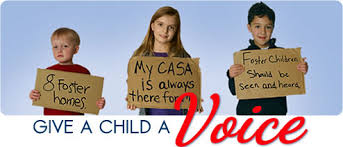
Children holding signs advocating for children's rights and voices.

From Reporting to Preventing: Community Action for Child Abuse Prevention in Minnesota

This list of Minnesota resources—and the note below—is taken directly from CASA Minnesota in recognition of National Child Abuse Prevention Month, a time to reflect on what it really means to build safe, supportive communities where every child can thrive.

Logo for Kara, Kids at Risk Action organization.

What Social Workers Can Do: Reclaiming Hope and Safety for At‑Risk Children

Child welfare social workers stand where children’s trauma meets family hardship and broken systems. This trauma‑informed guide shows how social workers can find invisible kids, demand real accountability, build strong teams, use mandated reporting with courage, support caregivers, protect themselves from burnout, and turn casework into lasting system reform.

Silhouettes of a family with two adults and one child.

Why Minnesota’s Youngest Students Are Turning Violent: Childhood Trauma in K–3 Classrooms

“157 staff injuries and 142 cleared classrooms in a single year raise a hard question: Why are Minnesota’s youngest students turning violent? This piece traces those outbursts back to unhealed childhood trauma—and outlines what K–3 schools, families, and policymakers must do differently if we want safer classrooms instead of more suspensions.”

Children holding signs advocating for children's rights and voices.

National Volunteer Week: Why CASA/GAL Volunteers Matter for At‑Risk Kids in Minnesota

During National Volunteer Week, we’re shining a light on CASA and Guardian ad Litem volunteers in Minnesota—the trained community members who stand beside abused and neglected children in court, give them a consistent adult voice, and help judges make better decisions about safety, healing, and permanency.

Logo for Kara, Kids at Risk Action organization.

CASA Volunteers & Child Abuse Prevention Month: Building Protective Factors for Children

April’s National Child Abuse Prevention Month reminds us that protecting children means more than responding after harm—it means building strong families, supportive communities, and systems that recognize warning signs early, with CASA volunteers turning those prevention ideals into reality for children in court by offering consistent advocacy for safety, healing, and stable homes.

Two hands gently holding each other in a comforting gesture.

From Classrooms to Homeless Shelters: How Our Choices Hurt Children

Compared to other advanced nations America treats children and the people who care for them as an afterthought and then acts surprised when our schools and child‑welfare systems are overwhelmed with troubled children suffering from health and mental health issues.

A young boy in a blue shirt sitting on the ground near a red brick wall.

What You Can Do Series – What Social Workers Can Do

Social workers are the connective tissue of child protection, operating where trauma, helplessness, and institutional failure most acutely converge. Equal parts advocate, therapist, investigator, and bridge-builder, their roles are both the first line of defense and an agent of systemic change.

Black T-shirt with bold white text promoting kids' voices.

America’s Child Protection Crisis: Last Week’s Most Alarming CPS Cases and Reforms

Each week, children are escaping brutal homes, being harmed in foster care, and caught in CPS systems that too often miss clear danger or punish families without proof. From multimillion‑dollar settlements and court battles in Texas, Washington, New York, and Illinois to new laws and policies that could reshape how abuse and neglect are investigated, this roundup highlights the most urgent child protection stories advocates, professionals, and concerned community members need to see right now.

Close-up of a child's face with braided hair and intense eyes.

Child Abuse, Foster Care, and Youth Self-Harm and Suicide

Research across foster care, ACEs, and maltreatment shows that abused and systems‑involved children face dramatically higher risks of self‑harm and suicide. This post walks through key studies and calls for concrete changes in child welfare policy and practice to prevent avoidable deaths.

Logo for Kara, Kids at Risk Action organization.

The Physics of Child Protection in America

Child protection in America behaves like a complex system engineered for surveillance, not support. Poverty, racism, and weak safety nets keep generating the same tragedies. What would happen if we rebuilt it around children’s rights, prevention, and healing?

Silhouette filled with negative self-descriptive words representing low self-esteem.

What You Can Do Series – School Counselors Can Do

School counselors are the vital bridge between struggling children and the support systems they desperately need. Positioned at the intersection of school, family, and community, they are often the first line of defense—sometimes the only one—against the silent epidemic of child trauma and abuse

Close-up of a child's face with braided hair and intense eyes.

Child Abuse Sad Stories & Statistics (1ST 45 days in 2026))

Child abuse doesn’t stop for holidays or election years. In just the first 45 days of 2026, sad stories and new statistics are already piling up. This post tracks those cases and numbers to show how many invisible children still need our protection.

Students engaging actively in a classroom setting with the theme 'ACES Impact in the Classroom'.

Education 2026 – Educating At Risk Children (what tomorrow looks like)

Teaching in America in 2026 means managing trauma, violence, long COVID, and historic shortages—all while trying to educate growing numbers of abused and at‑risk children. Drawing on recent data from Education Week, NCES, and school counselors nationwide, this draft chapter from Childhood Trauma – America’s Legacy explores what’s really happening inside classrooms, why teacher burnout and vacancies are soaring, and what it will take to make schools safer and more humane for kids and the adults who serve them.

Close-up of a child's face with braided hair and intense eyes.

Florida Child Abuse Reporting

Why Florida Child Abuse Reporting Matters: Florida’s child abuse and neglect is just one part of KARA’s reporting mission and our nation’s child‑death problem. Florida reviews hundreds of abuse‑related child deaths each year. This is an investigative report recently completed in Minnesota that needs to happen in all states. 

Black tote bag with white text promoting kids' rights.

CASA Volunteers Are Coming Back: Why Minnesota Children Need Them

Over 48 years, CASA/GAL (Guardian ad Litem) programs have grown into a national network of more than 900 organizations with 80,000–100,000 guardian ad litem volunteers serving close to a quarter‑million abused and neglected children each year, according to National CASA/GAL program surveys and the association’s own history. In every state but North Dakota, these volunteers are often the only adults in the courtroom whose sole job is to stand for a child’s best interests—and they do it with intentionally tiny caseloads so each child gets more time, more attention, and more consistency than overloaded systems can usually provide

Silhouettes of a family with two adults and one child.

New Jersey Recent Child Abuse Death, Egregious Harm & Child Protection Issues

New Jersey’s recent child abuse tragedies—from Ne’Miya Duncan’s death days after a welfare visit to two brothers killed in Hillsborough—show deep failures in DCPP’s ability to protect children. This post highlights specific deaths, lawsuits, and state fatality data that reveal a child protection system still in crisis.

Children of diverse backgrounds holding hands around Earth.

LGBTQ Foster Care, Suicide, & Ground Truths (podcast #3 in KARA’s foster care series)

the harsh realities faced by LGBTQ+ youth in the foster care system — a population far too often isolated, unsupported, and at devastating risk of homelessness, suicide, and trauma. They share staggering statistics, heartbreaking stories, and expose how

Silhouettes of a family with two adults and one child.

California Recent Child Abuse Death, Egregious Harm & Child Protection Issues

Recent California cases show children dying in foster homes, day care, and families long known to CPS, exposing egregious child protection failures. This post highlights specific deaths, audits, and multimillion dollar settlements that prove these are systemic problems, not isolated tragedies.

Black YETI tumbler with 'Give Kids A Voice' slogan printed.

Thank You for Being Part of the KARA Community

Thank you for reading and sharing the KARA blog. Your attention to child welfare issues helps bring visibility to children who are too often unseen and unheard. Every post you read, share, or discuss strengthens this movement for safer, healthier lives for abused and neglected kids. We’re grateful to have you in the KARA community.

Child Death and Public Non Disclosure (podcast)

Listen to KARA’s child welfare podcast on child death and public non-disclosure. Learn how secrecy laws and closed child protection records hide patterns of failure when children die—and what real transparency and accountability should look like.​

Young girl with red hair in a white dress, surrounded by darkness.

INVISIBLE CHILDREN (their stories) audiobook – listen free here

Listen to the powerful Invisible Children audio book and hear firsthand how our institutions fail abused and neglected children and learn what we can do to change the system. Hear the heartbreaking stories from CASA and guardian ad litem volunteers about children moved through multiple foster homes, children jailed instead of treated for trauma, and…

Black T-shirt with bold white text promoting kids' voices.

The Cost of Children Waiting for Their Voice In Court (Guardian ad Litem)

Hundreds of children in Minnesota’s child protection system are waiting for a guardian ad litem – the only independent voice they have in court. Every extra month in foster care deepens trauma and drives up costs. This article explains how many children have no GAL, what it costs in dollars and human suffering, and why restoring and expanding CASA/GAL programs is both a moral and fiscal imperative.

Black T-shirt with white text promoting kids' voices.

Child Safety and MAAFPA Tensions

MAAFPA’s stated goals emphasize preventing unnecessary removals and preserving African American and other disproportionately represented families, while the Safe Passage data show rising deaths—largely from neglect, substance use, and domestic violence—often in cases where CPS already knew the family.

Book cover titled 'Childhood Made Crazy' by Eric Maisel.

He Carries His Passport Everywhere Now (from a Minneapolis Teacher)

A Minneapolis teacher describes a 17 year old who carries his U.S. passport everywhere after ICE raids—showing how immigration enforcement terrorizes children, families, and classrooms.

Child Death and Public Non Disclosure (podcast)

Listen to KARA’s child welfare podcast on child death and public non-disclosure. Learn how secrecy laws and closed child protection records hide patterns of failure when children die—and what real transparency and accountability should look like.​

Logo of Invisible Children, advocating for at-risk youth.

Minnesota Family Preservation Law and Child Safety: When “Keep Families Together” Puts Children at Risk

Minnesota’s African American Family Preservation Act aims to reduce racial disproportionality in child welfare. But underfunded “family preservation first” policies can leave abused children in dangerous homes or unsafe kinship foster care, with deadly consequences documented in Safe Passage fatality reports.​

Close-up of a child's face with braided hair and intense eyes.

Redefining Normalcy In Child Protection (from orphan trains to protection to ?)

Legally, there were no protections for children in the home or orphanage at the time (nor do they have legal status today). What became of orphan train children varied from finding loving homes to sex abuse and slave labor. Over an estimated 150,000–250,000 children rode these trains making this the largest child migration in U.S. history.

Injustice Watch logo with stylized text and orange triangles.

Direct & Collateral Damage of ICE Raids on Schools and Daycare

Imagine being a child watching armed officers dragging children and teachers from your school and the chaos of citizen protesters risking violence to stop it. These attacks are destroying the fabric of your community and will make your next days, weeks, and months of classroom learning full of fear that it will happen again.

Targeting children in or around schools to enforce immigration laws is a profoundly traumatizing attack on children and ethical failure of a society’s duty protect minors.

Silhouettes of a family with two adults and one child.

The Multiple Meanings of Child Neglect in Law (& what it means to families)

Parents unable to buy food for their child because of poverty are different from caregivers leaving their babies without food or care by absence, or because they are incapacitated by substance abuse or are the kind of parents who spend all their food money on drugs.

This parental distinction is also true for caregivers unable to bring their babies and toddlers in for medical appointments or court appearances. The difference between parents that would if they could and those that simply are too dysfunctional because of severe mental health or substance abuse issues are stark.

Silhouettes of a family with two adults and one child.

Holding the Line For Children In Need of Protection

What is it like to do social work, child protection, or nonprofit work with at‑risk children and families in this climate? How do you avoid being worn down by the steady drip of misinformation, negative media, and viral “anti‑CPS” narratives that are hitting workers and agencies hard?

Close-up of a child's face with braided hair and intense eyes.

Deep Dive Into “Child Neglect” & CPS Deregulation

Current federal and state conversations about CPS are moving in two, conflicting, directions: a push by advocates to sharply limit “family policing,” reduce mandatory reporting, and narrow or remove “neglect” in law, and an opposing concern from child protection and public health experts that weakening these protections without robust alternative supports will increase lifechanging child abuse and trauma for millions of America’s most vulnerable children.

Silhouettes of a family with two adults and one child.

Dissecting President Trump’s Child Protection Executive Order (share this widely)

Trump’s recent Presidential Order appears in its entirety below in the Read More section of this post. Added to the order today, is conflicted and confusing language that will have a terrible impact on the quality of life for millions of America’s abused and neglected children, families, and the communities they live in.

Logo of Kara, an organization for kids at risk action.

Child Neglect & Substance Abuse Study

This study of 251 neglected children and 502 community matched control group over a 17 year period found that 32% of child abuse fatalities occurring in the same year were attributed to child neglect alone. Most of these children were unnoticed by teachers, law enforcement, healthcare workers and others and received no child protection or welfare services.

Close-up of a child's face with braided hair and intense eyes.

Child Well-Being in the U.S. vs Other Rich Countries: Poverty, Mortality, and Violence

The United States ranks near the bottom of wealthy countries for child well-being, with higher child poverty, infant mortality, and firearm deaths than its peers. Learn what the data shows and why it matters.​

A hand gripping through a torn paper hole.

Happy New Year – 2026 Projections & Plans + Meet KARA People (short videos)

In 2025, the federal government declared a bonfire of deregulation in Child Protective Services (CPS) for 2026. This is part of a broader “parental rights” and religious liberty agenda. MAGA voices,