Children of diverse backgrounds holding hands around Earth.

Modern Slavery in the UK: How the Law Still Fails Children

Modern slavery did not end with history books. The UK Modern Slavery Act was meant to protect victims and hold traffickers accountable, yet thousands of children remain exploited, re trafficked, and left without real support. This KARA post explains how the law works, where it fails child victims, and what advocates say must change—plus concrete ways you can help push systems toward real protection.

Details
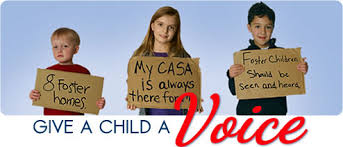
Children holding signs advocating for children's rights and voices.

From Reporting to Preventing: Community Action for Child Abuse Prevention in Minnesota

This list of Minnesota resources—and the note below—is taken directly from CASA Minnesota in recognition of National Child Abuse Prevention Month, a time to reflect on what it really means to build safe, supportive communities where every child can thrive.

Details
Black T-shirt with white text promoting kids' voices.

Cost Neutral Child Protection: The Deadly Lesson of Gabriel Fernandez

When paramedics arrived, eight-year old Gabriel Fernandez was not conscious. His skull was cracked. Three ribs were broken. Bruises and burns covered his body. Two teeth were knocked out of his mouth. X-rays would later show that the third-grader had BB pellets embedded in his lung and groin. Gabriel’s mother, Pearl Fernandez, 29, and her boyfriend Isauro Aguirre, 32, told the paramedics that Gabriel’s injuries were self-induced. Later Aguirre said that he delivered ten or so blows to Gabriel’s stomach for lying and “being dirty.”

Before Gabriel’s death, his mother was the target of six investigations of child abuse. One of Gabriel’s teachers reported the boy coming to school battered. One of Gabriel’s therapists reported that Gabriel said that he was forced to perform oral sex on a family member. Gabriel told a teacher he’d been beat with a belt buckle until he bled and his mother shot him with a BB gun. Gabriel wrote a suicide note, found by his teacher.

According to documents obtained by the LA Times and a recent wrongful death lawsuit filed by Gabriel’s grandparents, Gabriel was never interviewed privately by a social worker about his abuse. Fernandez and Aguirre have been charged with first degree murder of a child. The two have yet to enter their pleas. Two months after Gabriel’s death, four DCFS employees related to his case were fired.

Details

Young boy with dark hair wearing a white shirt outdoors.

Ethan’s Story: How Foster Care Failed a Traumatized Child

Ethan’s story follows one boy taken from his parents into foster care, abused in placement, struggling with guilt and suicidality, and now facing adulthood alone. His journey exposes how often our foster care system fails traumatized children—and why changing life for foster youth will take all of us.

Details
Person peeking through a torn cardboard hole with visible eyes and hands.

Trauma Breathing for Kids: A Practical Toolkit for Caring Adults

Trauma breathing is a simple, trauma-informed “belly breathing” practice that helps calm a child’s amygdala and nervous system. This toolkit offers step-by-step instructions and ready-to-use scripts for teachers, caregivers, law enforcement, health workers, and other adults who support traumatized children.

Details
Silhouettes of a family with two adults and one child.

Child Abuse and the Domino Effect: Why Lawmakers Need Real Data

When lawmakers finally see the human and financial numbers behind child abuse and neglect, our politics can treat it as the national emergency it is—not a niche social‑services problem. Over a lifetime, the “domino effect” of abused and neglected children touches every system we claim to care about: schools, crime, taxes, public health, and public safety

Details
Silhouettes of a family with two adults and one child.

What Principals and Administrators Can Do to Keep Children Safe and Help Them Heal

Principals and district leaders are on the front lines of childhood trauma. This guide shows how to create trauma informed school climates, rethink discipline, strengthen mental health systems, engage families, use data, and advocate for policy change so vulnerable students are safer and more able to learn.

Details
Logo for Kara, Kids at Risk Action organization.

What Social Workers Can Do: Reclaiming Hope and Safety for At‑Risk Children

Child welfare social workers stand where children’s trauma meets family hardship and broken systems. This trauma‑informed guide shows how social workers can find invisible kids, demand real accountability, build strong teams, use mandated reporting with courage, support caregivers, protect themselves from burnout, and turn casework into lasting system reform.

Details
Bronze statue of a boy reading a book outdoors.

One Safe Adult, One Stable Place: The Hidden Power of Stability for Children

Children carrying high Adverse Childhood Experiences (ACEs) live in constant survival mode. Stable homes, consistent caregiving, and trauma-informed schools can lower toxic stress, repair trust, and rebuild hope. This article explains why stability is a core intervention—and how adults and communities can help at-risk youth heal and thrive.

Details
Silhouettes of a family with two adults and one child.

Why Minnesota’s Youngest Students Are Turning Violent: Childhood Trauma in K–3 Classrooms

“157 staff injuries and 142 cleared classrooms in a single year raise a hard question: Why are Minnesota’s youngest students turning violent? This piece traces those outbursts back to unhealed childhood trauma—and outlines what K–3 schools, families, and policymakers must do differently if we want safer classrooms instead of more suspensions.”

Details
A hand gripping through a torn paper hole.

Five Daily Habits That Help Traumatized Children Feel Safe at Home

Kids who’ve survived abuse or neglect don’t need perfect parents—they need calm, repeatable habits that make home feel safe. This guide explains five daily practices that lower reactivity, build trust, and help traumatized children feel safe at home, plus clear signs of trauma and next step resources for families.

Details
Children holding signs advocating for children's rights and voices.

National Volunteer Week: Why CASA/GAL Volunteers Matter for At‑Risk Kids in Minnesota

During National Volunteer Week, we’re shining a light on CASA and Guardian ad Litem volunteers in Minnesota—the trained community members who stand beside abused and neglected children in court, give them a consistent adult voice, and help judges make better decisions about safety, healing, and permanency.

Details
Silhouettes of a family with two adults and one child.

What Foster Parents Can Do: Healing, Advocating, and Transforming Lives

Foster parenting is about much more than providing a bed. This guide shows caregivers how to insist on full trauma histories, document key events, advocate against medication‑only approaches, partner with schools and agencies, and use their lived experience to reform systems and transform children’s lives.

Details
Two people holding a large red heart with the text 'Live Generously'.

Support KARA’s Child Abuse Information Platform

Help Us Build the National Child Abuse Information Platform At-Risk Children and Families Deserve. Right now, people looking for hard facts about child abuse and child protection have to dig through scattered reports, paywalled studies and outdated websites. Front‑line workers, lawmakers, teachers, caregivers, and survivors are making life‑and‑death decisions without the clear, current information they need.

Details
Person peeking through a torn cardboard hole with visible eyes and hands.

April and Preventing Child Abuse in a Time of Rising Risk

April is National Child Abuse Prevention Month, and in 2026 we’re facing a time of rising risk for children. Economic stress, untreated mental health needs, online exploitation, and overburdened child protection systems are all pushing more families to the edge, while the nonprofits and advocates children rely on are stretched thin. This April, “awareness” isn’t enough. We need honest data about how many children are being hurt, real support for families before crisis, and stronger tools for the people on the front lines—teachers, CASAs, clinicians, social workers, and neighbors—who see abuse first and are often the only ones who can stop it.

Details
Logo for Kara, Kids at Risk Action organization.

CASA Volunteers & Child Abuse Prevention Month: Building Protective Factors for Children

April’s National Child Abuse Prevention Month reminds us that protecting children means more than responding after harm—it means building strong families, supportive communities, and systems that recognize warning signs early, with CASA volunteers turning those prevention ideals into reality for children in court by offering consistent advocacy for safety, healing, and stable homes.

Details
Mother comforting her child outside a brick building.

Cash vs. CPS: What $14 Million Really Buys

Flint’s Rx Kids program has spent about $14 million giving pregnant and new parents roughly $6,250 per baby in flexible cash—money families use for rent, food, diapers, and medical care. By contrast, CDC linked research puts the lifetime cost of a single child maltreatment case at roughly $830,000, and a year of foster care can cost $41,000 or more per child. If cash support keeps even a small share of vulnerable families out of CPS, the investment likely pays for itself many times over—while sparing children the trauma of removal and system involvement.

Details
Black T-shirt with white text promoting kids' voices.

Be a Tester: KARA’s Interactive Child Abuse Information Hub

KARA is piloting an AI driven, interactive child abuse and child protection information platform—and we need your help to shape it. By exploring the pilot and sharing what works, what’s confusing, and what’s missing, you’ll help us build a tool that truly serves educators, child advocates, families, policymakers, and others working with traumatized children. Your feedback in this early stage will guide how we organize data, refine answers, and add features before a wider launch.

Details
Close-up of a child's face with braided hair and intense eyes.

Hungry Like a Wolf

Hungry Like a Wolf, a powerful new play about sexual predators, mirrors what I saw as a CASA guardian ad litem: very young children raped in their own homes, perpetrators never held accountable, and trauma that reshapes every part of a child’s life. In the U.S., 7.8 million children are reported abused each year—many sexually abused—and countless others are never seen. Until adults are willing to talk honestly about child sexual abuse and its lifelong impact, there will be no real push to change systems or protect children.

Details
Children of diverse backgrounds holding hands around Earth.

Nation Out of Step: An Early Childhood Education Manifesto for 2026

Education is the engine of progress and prosperity. A nation that underinvests in its children’s earliest years limits its own future. Neuroscience and economics now converge on a simple truth: what happens from birth to age five shapes the brain, health, behavior, and earning power for life—and early childhood education is where that development can be steered toward success.

Details
Two hands gently holding each other in a comforting gesture.

From Classrooms to Homeless Shelters: How Our Choices Hurt Children

Compared to other advanced nations America treats children and the people who care for them as an afterthought and then acts surprised when our schools and child‑welfare systems are overwhelmed with troubled children suffering from health and mental health issues.

Details
A girl with messy hair looks worried beside a chalkboard with writing.

Pediatric Clinicians Needed to Guide KARA’s National Child Abuse Platform”

Pediatricians see the front line of child abuse, trauma, neglect, and family crisis. Kids At Risk Action (KARA) is building a national child abuse information platform so clinicians, caregivers, policymakers, and families can quickly find the resources and solutions they need in one place. We’re inviting pediatric clinicians to review this work and share how it could best support screening, referrals, family education, and advocacy. If this resonates with your practice, please connect or email mike@invisiblechildren.org—and share this widely.

Details
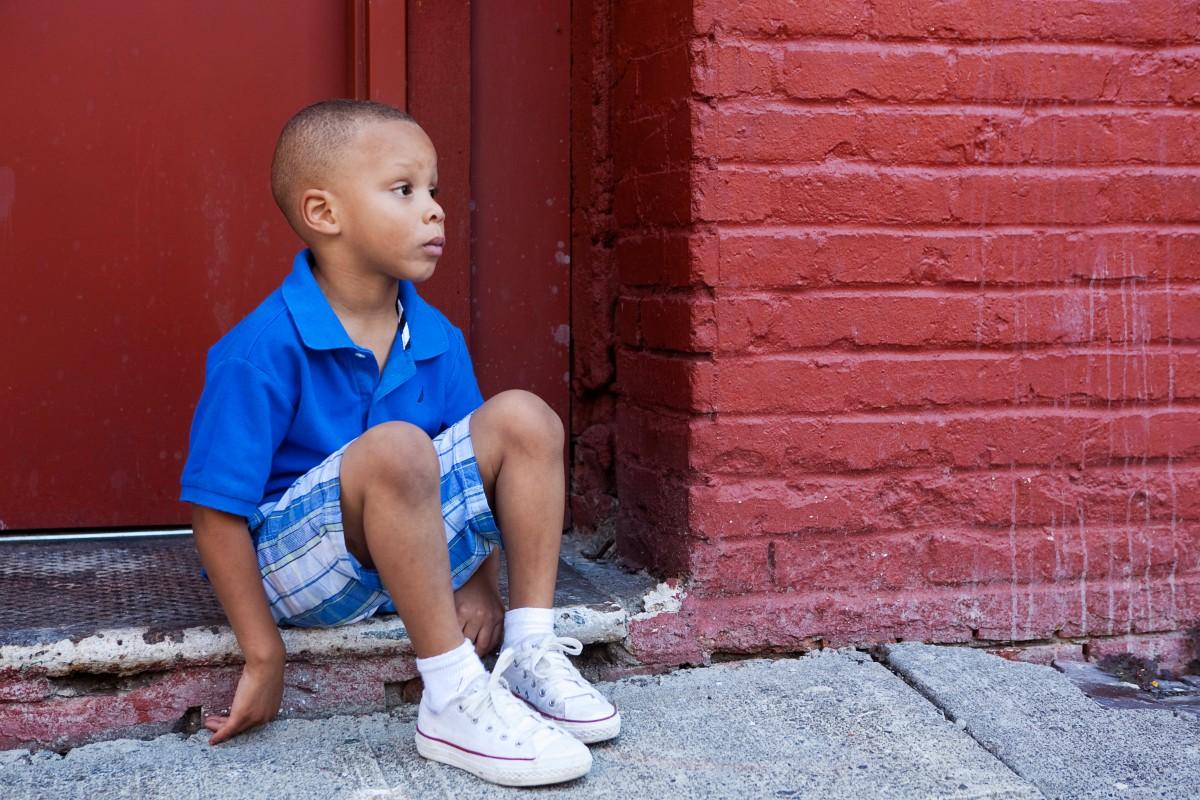
A young boy in a blue shirt sitting on the ground near a red brick wall.

What You Can Do Series – What Social Workers Can Do

Social workers are the connective tissue of child protection, operating where trauma, helplessness, and institutional failure most acutely converge. Equal parts advocate, therapist, investigator, and bridge-builder, their roles are both the first line of defense and an agent of systemic change.

Details
Logo with the words 'Invisible Children' in bold white text on black.

Missing Information: How Deleted Federal Data Blinds the Public

Thousands of federal web pages and datasets—covering health, climate, justice, and more—have been removed or altered under the current administration. When this data disappears, the public and policymakers are forced to make life and death decisions in the dark.

Details
Logo for Kara, Kids at Risk Action organization.

Fosters and the Orphan Tax: How States Take Social Security from Foster Youth ________________________________________

Most foster youth only discover years later that Social Security benefits meant for them were taken by counties to “reimburse” foster care costs, leaving them to age out with no savings, no housing deposit, and no money for school or a car. With up to one third experiencing homelessness by their mid 20s and earning far less than their peers, every dollar matters. This post explains how the so called “orphan tax” works, why the complexity argument is specious, and how existing Social Security and ABLE style accounts could be used to protect foster youths’ benefits instead of padding agency budgets.

Details
Bronze sculpture of a reclining child reading a book on a bench.

Why Teaching in America Is Harder: Poverty, Trauma, and Turnover vs. Northern Europe

U.S. teachers work more hours, earn less relative to similarly educated professionals, and leave the profession more often than their peers in Northern Europe, where better working conditions and higher status make teaching a more sustainable career.

Details
Black T-shirt with bold white text promoting kids' voices.

America’s Child Protection Crisis: Last Week’s Most Alarming CPS Cases and Reforms

Each week, children are escaping brutal homes, being harmed in foster care, and caught in CPS systems that too often miss clear danger or punish families without proof. From multimillion‑dollar settlements and court battles in Texas, Washington, New York, and Illinois to new laws and policies that could reshape how abuse and neglect are investigated, this roundup highlights the most urgent child protection stories advocates, professionals, and concerned community members need to see right now.

Details
Person peeking through a torn cardboard hole with visible eyes and hands.

What You Can Do Series – What Therapists Can Do

Therapists—whether working in schools, clinics, community settings, private practices, or as part of multidisciplinary teams—are often the first, sometimes the only, professionals capable of translating the science of trauma into lasting recovery.

Details
Close-up of a child's face with braided hair and intense eyes.

Child Abuse, Foster Care, and Youth Self-Harm and Suicide

Research across foster care, ACEs, and maltreatment shows that abused and systems‑involved children face dramatically higher risks of self‑harm and suicide. This post walks through key studies and calls for concrete changes in child welfare policy and practice to prevent avoidable deaths.

Details
Logo for Kara, Kids at Risk Action organization.

The Physics of Child Protection in America

Child protection in America behaves like a complex system engineered for surveillance, not support. Poverty, racism, and weak safety nets keep generating the same tragedies. What would happen if we rebuilt it around children’s rights, prevention, and healing?

Details
Silhouettes of a family with two adults and one child.

A Closer Look At Child Fatality and Egregious Incident Reporting

Child Fatality & Egregious Incident Reporting: A U.S. Overview America’s approach to exposing and understanding the gravest harms done to children—fatalities, near-deaths, torture, and catastrophic agency failures—reveals a nation deeply divided by geography, law, and political will. The result is a patchwork of minimal transparency. Some states shine a light on information that has been…

Details
Silhouettes of a family with two adults and one child.

Smoke‑Free or Hooked for Life? Selling Nicotine to Children and Youth (w/videos)

Big tobacco talks about a “smoke‑free future,” but its marketing tells a different story. This post gathers key videos and articles that show how major tobacco companies push vapes, nicotine pouches and heated tobacco to children and youth while claiming to care about health.

Details
Close-up of a child's face with braided hair against a dark background.

All Adults Are the Protectors of All Children (Don Shelby)

Policies that keep children in homes with life‑threatening harm on the grounds of unproven or unscientific beliefs—account for avoidable homicidal deaths of hundreds of MN children and many more tortured and near-death experiences annually. When Child Protection becomes more transparent when studies like the one linked above become common, this reality will be recognized in all…

Details
Silhouette filled with negative self-descriptive words representing low self-esteem.

What You Can Do Series – School Counselors Can Do

School counselors are the vital bridge between struggling children and the support systems they desperately need. Positioned at the intersection of school, family, and community, they are often the first line of defense—sometimes the only one—against the silent epidemic of child trauma and abuse

Details
Close-up of a child's face with braided hair and intense eyes.

Child Abuse Sad Stories & Statistics (1ST 45 days in 2026))

Child abuse doesn’t stop for holidays or election years. In just the first 45 days of 2026, sad stories and new statistics are already piling up. This post tracks those cases and numbers to show how many invisible children still need our protection.

Details
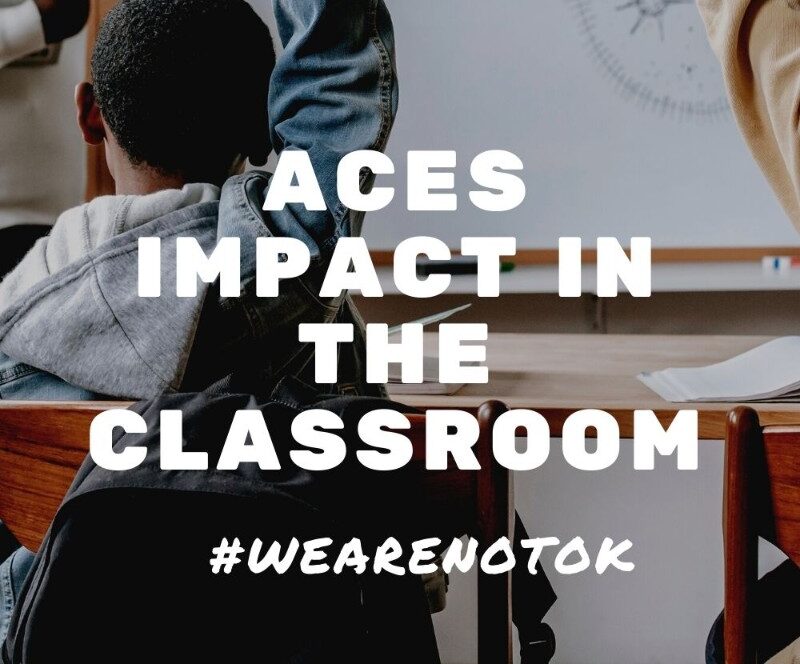
Students engaging actively in a classroom setting with the theme 'ACES Impact in the Classroom'.

Education 2026 – Educating At Risk Children (what tomorrow looks like)

Teaching in America in 2026 means managing trauma, violence, long COVID, and historic shortages—all while trying to educate growing numbers of abused and at‑risk children. Drawing on recent data from Education Week, NCES, and school counselors nationwide, this draft chapter from Childhood Trauma – America’s Legacy explores what’s really happening inside classrooms, why teacher burnout and vacancies are soaring, and what it will take to make schools safer and more humane for kids and the adults who serve them.

Details