
Minnesota Children Killed By Caregivers While Known to CPS (& how to stop it)
2023 Investigative Report on MN Children Killed
by Caregivers While in Child Protective Services

2023 Investigative Report on MN Children Killed
by Caregivers While in Child Protective Services
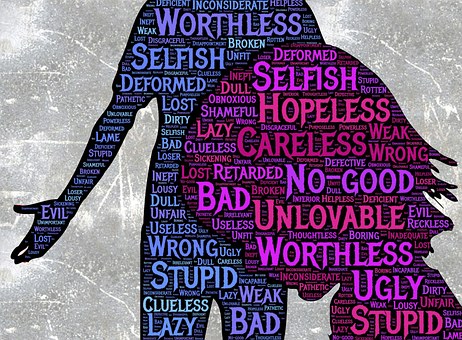
Childhood trauma, suicide and self-harm among American youth are at historic highs, with alarming increases among fosters, preteens, girls, LGBTQ+ youth, and children of color. Suicide is now the second leading cause of death for ages 10–24, and nearly one in five high school students has seriously considered suicide in the past year. Rates of self-harm, especially among young girls and LGBTQ+ youth, have surged, with emergency room visits for self-injury rising dramatically since 2020

American Fosters are struggling. These reports from around the nation indicate a great need for more help for at risk families and safe homes for children unlucky enough to be born into toxic homes.

Because CASA and Children’s Advocacy Centers remain largely unknown, at‑risk children and families lose critical lifelines they don’t even realize exist. Low public awareness means fewer mandated reporters, neighbors, teachers, and relatives can to turn when they suspect abuse—or how to push for a CASA volunteer or a CAC referral when a child enters the system. It depresses volunteer recruitment for CASA and philanthropic support for both models, limiting how many children can be served. It also allows policymakers to underfund these services…
Richard Wexler’s Child Neglect in America article uses a Swedish child neglect study to make sweeping claims about “American child neglect and poverty,” even though childhood conditions in the two countries are radically different. In the Nordic welfare states, far fewer children live in deep poverty and families receive broad supports like child benefits, paid leave, subsidized childcare, and universal health care, while U.S. child poverty is roughly twice as high and basic needs often go unmet without thin, means‑tested programs

I have sat in emergency rooms at 2 a.m. holding the hand of a child who flinched at every sudden sound, because of the things done to her at home. I have watched little ones arrive at foster homes with all their belongings in a trash bag, eyes wide and silent, trying to be “good” so no one will send them away again. I have seen teenagers scream, swear, and hit people, when what they really were was traumatized, terrified, and broken.

Responding to the Presidential Order addressing Neglect: Keeping neglect as a primary gateway into CPS is essential because what looks like “just poverty” on the surface is often a pattern of chronic educational, emotional, and safety failures that permanently damages children and fuels intergenerational harm.

The following articles illustrates how government policy and law has yet again failed to ensure the safety and well-being of children. Children continue to face sexual abuse, gendered based violence and health crises, among other disastrous circumstances. Advocacy by civil society and humanitarian aid is essential in order to support one of the more vulnerable populations of society.
Emma and Michael expose the staggering economic cost of ignoring childhood trauma. With U.S. taxpayers absorbing trillions in health care, education loss, criminal justice, and reduced productivity, the data paints a devastating picture:
Emma and Michael expose how childhood trauma is quietly devastating the lives of millions of children—some as young as toddlers—who are misdiagnosed, overmedicated, and left unsupported in overwhelmed systems.

free and discounted resources for foster and adopted children and families

For the next biennium, legislators appropriated 40 million dollars to modernize Minnesota’s Social Services Information System. This will create more training, collection of child welfare data, clarity, transparency, and best practices throughout the “life of a case” and shine a light on how well or poorly programs and policies are working. This upgrade of our…

tell our child abuse and child protection stories (over and over) and work to improve the programs, people, and institutions that impact at risk children.

These 2 minute Ms. Sarah Washington podcast interview snippets offer a narrative on institutions and child friendly policies you may not have heard before.
KARA’s next book will be the gathered wisdom from those of us with stories about child abuse, child protection, and childhood trauma. Do you have a story you want to tell?
We invite writers to submit original work of 300-400 words for consideration in our upcoming book, (working title), CHILD ABUSE IN THE MIRROR.
It also means that children growing up in toxic homes steeped in violence, abuse, and severe neglect are about to have the only chance they have of escaping life changing childhood trauma evaporate.