Children of diverse backgrounds holding hands around Earth.

Modern Slavery in the UK: How the Law Still Fails Children

Modern slavery did not end with history books. The UK Modern Slavery Act was meant to protect victims and hold traffickers accountable, yet thousands of children remain exploited, re trafficked, and left without real support. This KARA post explains how the law works, where it fails child victims, and what advocates say must change—plus concrete ways you can help push systems toward real protection.

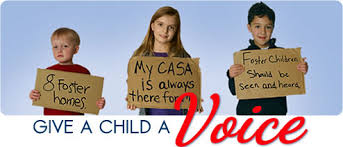
Children holding signs advocating for children's rights and voices.

From Reporting to Preventing: Community Action for Child Abuse Prevention in Minnesota

This list of Minnesota resources—and the note below—is taken directly from CASA Minnesota in recognition of National Child Abuse Prevention Month, a time to reflect on what it really means to build safe, supportive communities where every child can thrive.

Black T-shirt with white text promoting kids' voices.

Cost Neutral Child Protection: The Deadly Lesson of Gabriel Fernandez

When paramedics arrived, eight-year old Gabriel Fernandez was not conscious. His skull was cracked. Three ribs were broken. Bruises and burns covered his body. Two teeth were knocked out of his mouth. X-rays would later show that the third-grader had BB pellets embedded in his lung and groin. Gabriel’s mother, Pearl Fernandez, 29, and her boyfriend Isauro Aguirre, 32, told the paramedics that Gabriel’s injuries were self-induced. Later Aguirre said that he delivered ten or so blows to Gabriel’s stomach for lying and “being dirty.”

Before Gabriel’s death, his mother was the target of six investigations of child abuse. One of Gabriel’s teachers reported the boy coming to school battered. One of Gabriel’s therapists reported that Gabriel said that he was forced to perform oral sex on a family member. Gabriel told a teacher he’d been beat with a belt buckle until he bled and his mother shot him with a BB gun. Gabriel wrote a suicide note, found by his teacher.

According to documents obtained by the LA Times and a recent wrongful death lawsuit filed by Gabriel’s grandparents, Gabriel was never interviewed privately by a social worker about his abuse. Fernandez and Aguirre have been charged with first degree murder of a child. The two have yet to enter their pleas. Two months after Gabriel’s death, four DCFS employees related to his case were fired.

Young boy with dark hair wearing a white shirt outdoors.

Ethan’s Story: How Foster Care Failed a Traumatized Child

Ethan’s story follows one boy taken from his parents into foster care, abused in placement, struggling with guilt and suicidality, and now facing adulthood alone. His journey exposes how often our foster care system fails traumatized children—and why changing life for foster youth will take all of us.

Person peeking through a torn cardboard hole with visible eyes and hands.

Trauma Breathing for Kids: A Practical Toolkit for Caring Adults

Trauma breathing is a simple, trauma-informed “belly breathing” practice that helps calm a child’s amygdala and nervous system. This toolkit offers step-by-step instructions and ready-to-use scripts for teachers, caregivers, law enforcement, health workers, and other adults who support traumatized children.

Silhouettes of a family with two adults and one child.

Child Abuse and the Domino Effect: Why Lawmakers Need Real Data

When lawmakers finally see the human and financial numbers behind child abuse and neglect, our politics can treat it as the national emergency it is—not a niche social‑services problem. Over a lifetime, the “domino effect” of abused and neglected children touches every system we claim to care about: schools, crime, taxes, public health, and public safety

Silhouettes of a family with two adults and one child.

What Principals and Administrators Can Do to Keep Children Safe and Help Them Heal

Principals and district leaders are on the front lines of childhood trauma. This guide shows how to create trauma informed school climates, rethink discipline, strengthen mental health systems, engage families, use data, and advocate for policy change so vulnerable students are safer and more able to learn.

Logo for Kara, Kids at Risk Action organization.

What Social Workers Can Do: Reclaiming Hope and Safety for At‑Risk Children

Child welfare social workers stand where children’s trauma meets family hardship and broken systems. This trauma‑informed guide shows how social workers can find invisible kids, demand real accountability, build strong teams, use mandated reporting with courage, support caregivers, protect themselves from burnout, and turn casework into lasting system reform.

Bronze statue of a boy reading a book outdoors.

One Safe Adult, One Stable Place: The Hidden Power of Stability for Children

Children carrying high Adverse Childhood Experiences (ACEs) live in constant survival mode. Stable homes, consistent caregiving, and trauma-informed schools can lower toxic stress, repair trust, and rebuild hope. This article explains why stability is a core intervention—and how adults and communities can help at-risk youth heal and thrive.

Silhouettes of a family with two adults and one child.

Why Minnesota’s Youngest Students Are Turning Violent: Childhood Trauma in K–3 Classrooms

“157 staff injuries and 142 cleared classrooms in a single year raise a hard question: Why are Minnesota’s youngest students turning violent? This piece traces those outbursts back to unhealed childhood trauma—and outlines what K–3 schools, families, and policymakers must do differently if we want safer classrooms instead of more suspensions.”

A hand gripping through a torn paper hole.

Five Daily Habits That Help Traumatized Children Feel Safe at Home

Kids who’ve survived abuse or neglect don’t need perfect parents—they need calm, repeatable habits that make home feel safe. This guide explains five daily practices that lower reactivity, build trust, and help traumatized children feel safe at home, plus clear signs of trauma and next step resources for families.

Children holding signs advocating for children's rights and voices.

National Volunteer Week: Why CASA/GAL Volunteers Matter for At‑Risk Kids in Minnesota

During National Volunteer Week, we’re shining a light on CASA and Guardian ad Litem volunteers in Minnesota—the trained community members who stand beside abused and neglected children in court, give them a consistent adult voice, and help judges make better decisions about safety, healing, and permanency.

Silhouettes of a family with two adults and one child.

What Foster Parents Can Do: Healing, Advocating, and Transforming Lives

Foster parenting is about much more than providing a bed. This guide shows caregivers how to insist on full trauma histories, document key events, advocate against medication‑only approaches, partner with schools and agencies, and use their lived experience to reform systems and transform children’s lives.