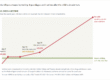

Gun violence and children in America is a story we tell with one number, and it is the wrong number. In 2024, 44,447 Americans died of gunshot wounds, about six in ten of them suicides.
For every person who dies by gunshot, roughly two more are treated in hospitals for nonfatal gunshot wounds. Counting both, about 140,000 Americans are shot and killed or wounded every year.
Firearm injuries are now the leading cause of death for children and teens ages 1 to 19. More than 4,400 kids ages 0 to 19 are shot and killed each year and more than 17,000 are shot and wounded, an average of 60 children a day. An estimated three million children witness a shooting each year.
I have spent thirty years watching this country treat child protection and gun violence as two separate conversations. They are the same conversation. For children under 13 killed by guns, 85 percent of those deaths happen in the home, and nearly a third are connected to intimate partner or family violence. That is not a street crime story. That is a child protection story with a gun in it.

The children who live
We have almost no national system for counting what happens to a child after he survives being shot. What we have is trauma center data, and it is bad.
At Children’s Mercy in Kansas City, researchers followed roughly 190 pediatric firearm patients. Nearly 6 percent had a spinal cord injury. Twenty percent had a serious nerve injury. Seven children lost a limb. Seventeen had a growth disturbance, meaning a bone that will never finish growing correctly. Forty-four were left with long-term disability. Children under 10 when they were shot were the most likely to end up disabled.
The older national picture is worse. Using the National Pediatric Trauma Registry, researchers found that almost half of children hospitalized for a gunshot wound were discharged with a disability, and estimated roughly 3,200 American children a year are left disabled by gunfire.
Put those together with today’s injury counts, roughly 17,000 children wounded and about 7,000 hospitalized annually, and a conservative working estimate is 3,000 to 5,000 American children every year who leave the hospital with a permanent, life-altering injury. Wheelchairs. Colostomy bags. A missing hand. A brain that no longer does what it did on Tuesday. That estimate is mine, built from the studies above, because no agency publishes the real figure. That is its own scandal.
Researchers are now arguing that pediatric gunshot survivors should be classified as children with medical complexity, the same category as kids with severe chronic disease. Multisystem trauma, chronic pain, neurological impairment, years of rehabilitation, and school reintegration that nobody is coordinating.
What it does to everyone around them
Insurance claims data on 2,052 child and adolescent survivors found that in the year after injury they had a 117 percent increase in pain disorders, a 68 percent increase in psychiatric disorders, and a 144 percent increase in substance use disorders compared with matched controls. Their health care spending rose by an average of $34,884, a 17-fold increase, 95 percent of it paid by insurers or employers.
It does not stop at the child. In the adult study of 6,498 survivors, family members, 12,489 of them, showed a 12 percent increase in psychiatric disorders. A kid who was never shot ends up in treatment because his brother was. Those children land in our schools, our clinics, and often enough in our child protection system, and not one of them is counted as a victim of gun violence.
The money is hidden too. Everytown puts the total annual cost at $557 billion, about 2.6 percent of GDP, with $12.62 billion paid directly by taxpayers. The largest piece, roughly $489 billion, is quality of life lost, weighted higher for young victims with more years ahead of them.
The 2 percent
Malcolm Gladwell’s new book, The American Way of Killing: The Invention of an Epidemic, publishes 09/29/2026. His argument is that America has been telling itself the wrong story about its own violence, and that the answer is not simply more gun control but a rethinking of the whole question. He has said the cities succeeding at this are the ones focused on the small number of people most likely to shoot or be shot.
Baltimore is the proof. Starting in 2022, the city built its Group Violence Reduction Strategy around a finding the data kept confirming: fewer than 2 percent of residents were connected to groups tied to as much as 75 percent of serious violence. Instead of casting a wide net, the city focused on those people, pairing accountability with life coaching and wraparound services.
In 2025, Baltimore recorded 133 homicides, the fewest in nearly 50 years, down 31 percent in one year and nearly 60 percent since 2021. Nonfatal shootings fell from 423 to 311. Arrests did not rise. A National Bureau of Economic Research paper found Baltimore’s decline ran about 25 percent ahead of comparable cities.
A city everyone had written off cut its killing nearly in half in four years.
Not by arresting more people. By paying attention to the right 2 percent.
Author’s note, Gladwell’s focus on direct community involvement in reducing gun violence stems from two separate arguments:
- American’s have accepted that we have little chance of a political solution to this problem and
- The Baltimore initiative deals with the core issue that most gun violence is not planned but motivated by emotional response/domestic violence and when the community responds to the victims and their families, violence was reduced by almost half.
- Reserve Malcom’s book (The American Way of Killing*) at the library or buy it and share the important parts with your State Representative. Find them here.
*Malcom’s book will be accessible in about ten days.
RELATED ISSUES IN THE READ MORE BELOW
Helping a Traumatized Foster Child Feel Safe Enough to Learn
Minnesota’s Child Protection Crisis: Children Need Safety, Transparency, and Accountability