
Why Abused and Neglected Children Can’t Put the Phone Down
Most kids can put the phone down. Some can’t. New research and thirty years of child welfare work point to the same children: the ones who were abused and neglected at home.

Most kids can put the phone down. Some can’t. New research and thirty years of child welfare work point to the same children: the ones who were abused and neglected at home.

In 2005 a 16-year-old at Red Lake told the adults around him he needed help, and nobody acted. Twenty-one years later, as many as eight Red Lake children have died while the state couldn’t see the numbers. A child in America still has no right to be safe in their own home.

Dee Wilson’s October 2026 Sounding Board asks whether a foster care-to-prison pipeline exists. The honest answer turns out to be about placement stability, not foster care itself.

My first case started on a hospital suicide ward with a four-year-old who had watched her seven year old sister raped and beaten for years.

Growing up in a home beaten, raped or starved by the most important authority in your life, means that for you, authority is not to be respected – it is to be hated and feared. Real life stories about this here.
Uncooperative often violent response to authority figures is normal for traumatized children. It’s driven by repeated pain and terror visited upon a child that has been unable to escape repeated trauma and abuse.

John Jay documented 10,667 victims of priest abuse in the United States between 1950 and 2002.
Roughly 200 children a year.
In one year, 532,228 American children were confirmed abused or neglected by their own caregivers.

A 14 year old boy who planned his death by cop. Tortured from four to seven. Twenty-nine foster placements. Police from the age of nine. He needed mental health services and got officers instead. Children traumatized by their caregivers fear and hate authority.

A randomized trial of 4,229 families and Minnesota’s $848 million child protection bill. What we pay after the harm, and what prevention actually costs.

Learning cannot come before safety for many traumatized foster children. Practical, trauma-informed strategies can help rebuild trust, curiosity, confidence, and skills one small moment at a time.
Kendrea Johnson was six years old when she died in foster care after documented suicidal thoughts and serious warnings. Her death raises urgent questions about trauma-informed care, child-safety coordination, and whether child-protection systems measure outcomes that matter.

The Economic Cost of Childhood Trauma in America Important note about these figures Child abuse, childhood trauma, foster care, juvenile justice, crime, incarceration, health care, school failure, addiction, homelessness, and lost productivity are connected. They also overlap. The same child or adult may appear in child protection, special education, health care, foster care, juvenile justice,…

Punishing children who have been harmed in toxic homes does not heal trauma, improve learning, or make communities safer. It often deepens the pain that leads to school failure, mental-health struggles, justice-system involvement, and generational child abuse. This post explains why the ACEs, Adverse Childhood Experiences, healing model offers a better path: trauma-informed schools, health care, child care, law enforcement, and public policy that help children build the skills and safety they need to heal and thrive.

Jonathan Swift’s 1729 satire, A Modest Proposal, used shocking imagery to expose the cruelty of public policies that treated poor Irish children as disposable. This post connects Swift’s warning to the realities faced by abused, neglected, homeless, incarcerated, and foster-care-involved children in America today. When society accepts policies that deny children safety, education, health care, stable housing, and meaningful support, it creates the very cycles of trauma, crime, poverty, and generational child abuse it claims to oppose. KARA shares this historic work as a call to replace indifference and punishment with prevention, protection, healing, and public accountability.
Back in the day, these writings were the modern equivalent of you tube or a precursor to Twitter and consumed voraciously by all who could read (or read them to others).
Public policy treated poor Irish more like animals than people and Irish children were doomed to lives of crime, prostitution, and abject poverty.
Was Swift’s underlying argument that death might be preferable to children doomed to disease, crime, prostitution, & the cruelties suffered by abandoned children of his time?

As a governor, you can move child protection from fragmented crisis response to coordinated, prevention centered, trauma informed systems that truly improve children’s lives. This article shows how executive vision, upstream budgets, transparent data, trauma informed and equity driven standards, foster care and juvenile justice reforms, and expanded mental health access can turn child safety and healing into core state priorities rather than side projects.

As an attorney general, you hold extraordinary power to shape whether abused and traumatized children are protected or abandoned to failing systems. This article shows how you can make child welfare and trauma a core priority, investigate systemic failures and enforce mandated reporting, litigate and regulate for transparency and reform, tackle disparities and overmedication, and lead policy, coordination, and public engagement. By using the full authority of your office, you can turn systemic child harm from a hidden crisis into a mandate for justice and healing.

As a state lawmaker, you have enormous power to shape whether vulnerable children experience systems as punitive and chaotic or protective and healing. This article lays out a roadmap for making child safety a statewide priority, mandating transparency and equity, investing in prevention and early intervention, embedding trauma informed standards across systems, reforming foster care and juvenile justice, and guaranteeing mental health care and strong aftercare. By grounding your statutes, budgets, and oversight in ACEs science and lived experience, you can turn the tide for children’s safety, healing, and long term well being.

You sit on the front line of child protection. Your choices about housing, policing, schools, public health, and mental health determine whether children are shielded from preventable trauma or left to face it alone. By investing in upstream prevention, trauma informed policies, accountable justice and housing systems, and strong community supports, you can transform your city or county from a crisis response machine into a true child protection engine.

There is no shortage of disturbing stories about violent children & authorities using violent means to control them. Today, the U.S. expels more children from daycare than any other industrialized nation and the levels of violence in our schools is frightening and harmful to all of us.
There is nothing more disturbing than watching a video of an armed 200 pound police officer twisting the arms of a 50 pound special needs child into a painful behind the back steel handcuffed position as the boy cries uncontrollably in his classroom, unless it is reading about the St. Louis Sheriff’s deputy tasering an 11 year old boy and threatening to sodomize him (Sheriff Mulch “nothing out of the ordinary…, followed protocol)
These stories and recent horrific police shootings of juveniles are a signal of overwhelmed institutions unable to deliver the most basic protection and safety services to the communities that employ them. Don’t blame service providers -it is lawmakers and administrators defending archaic policies that just don’t work anymore. Neither police nor teachers are able to nor should they be required (with the training we give them) to handle the deep and troubling behaviors of very disturbed children). Traumatizing five and six year old children because they have behavioral problems is just awful and it makes things so much worse for the child (and our society).
This story out of Texas, demonstrates how the police might better deal with troubled youth with an approach that recognizes the significance of mental health issues impacting police/child interaction. We need to do a 180 on dealing with mental health issues. Now.
The sooner we the people recognize that this is all about mental health and that schools and police departments are not mental health service providers, the safer our schools and city streets will become.
All adults are the protectors of all children.
Psychiatrists can help abused and neglected children even when specialty care is scarce by using trauma-informed care, safer prescribing, community partnerships, and advocacy

Physicians are often the first and only trusted adults able to see the hidden injuries of child abuse and neglect. This post explains what physicians can do about child abuse: recognize red flags, use ACEs and trauma‑informed care, act on reasonable suspicion, and advocate so fewer children suffer in silence and more find safety and healing.

Mandated reporters: teachers, clinicians, social workers, childcare staff, clergy and others are often the only adults who see the hidden signs of child abuse and neglect. This article explains what mandated reporters can do: recognize red flags, act on reasonable suspicion, report and document clearly, push past institutional pressure, and stay emotionally supported while protecting children.

Childcare workers are often the first adults outside the family to see what very young children cannot yet say in words. This article shows how they can recognize early signs of abuse and trauma, act as courageous mandated reporters, and create trauma‑informed classrooms that give infants, toddlers, and preschoolers a sense of safety, trust, and resilience from the very earliest years.
School boards decide whether schools become trauma informed, healing environments or systems that deepen harm. This chapter explains what boards can do: make trauma and child safety central to district strategy, fund early identification and support services, reshape policing and discipline around healing and equity, protect relationship-based learning, and demand transparent, equity focused metrics and community partnerships so vulnerable students are seen, supported, and able to succeed.

Teachers are often the only steady adults who see what traumatized students live through. This chapter explains what teachers can do: recognize trauma as common and real, teach and discipline through a trauma informed lens, build trust, adapt academics with flexibility, report concerns, collaborate with school and community professionals, create healing classroom climates, and care for their own wellbeing so they can keep changing students’ lives.
Working with childhood trauma is hard, but parents are not powerless. This chapter explains what childhood and family level trauma mean today, how they show up as “behavior,” and what parents can do: recognize patterns in their own histories, focus on safety and emotional regulation at home, seek trauma informed help, partner with schools and community supports, and deliberately build resilience and new, healthier family traditions.

Jerry Lee Lewis marrying 13‑year‑old Myra Brown isn’t just a strange story from the past. Child marriage is still legal in most U.S. states, creating America child brides whose trauma and rights we pretend not to see.

Children in the U.S. are still being tried as adults and sentenced to die in prison. This post explains how juvenile life sentences work, the trauma and racial injustice they reflect, what adult prisons do to kids, and where real reform is finally beginning to take hold.

KARA Conversations brings experienced child advocacy speakers to your classroom, congregation, nonprofit or civic group for short, powerful Zoom sessions on child abuse, childhood trauma and how Child Protective Services really works. Choose a 30 minute overview with Q&A or a customized 60 minute event, and help the people where you live move from concern to concrete action for children.

Kids At Risk Action presented a workshop at the fourth annual Youth Assembly at the United Nations in New York
Child Protective Services is one of the least understood and least transparent systems we fund, even though childhood trauma drives enormous costs in education, health care, crime, and prisons. This KARA article argues that taxpayers, children, and communities are all paying for our blind spots around CPS, shows how negative narratives and politics are pushing the system into crisis, and calls on readers to demand real data and trauma-informed reform.
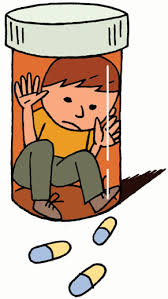
Repeated childhood trauma does cruel things to children. Things that never go away. Those things (behaviors/thoughts/self-harm/suicide) can be managed with help. Without help, depression, pain and sadness often become overwhelming.
The Alaska Children’s Alliance warns that Alaska has “some of the highest rates of child abuse and neglect in the nation,” noting research that 38% of children born in Alaska will be reported to child welfare before age 10 and nearly 1 in 7 will face an allegation of sexual abuse before age 12
Student‑on‑teacher violence is rising in Minnesota classrooms, and trauma is walking through the door long before the school bell rings. Children who grow up with beatings, sexual abuse, and neglect often bring survival‑brain reactions into class, turning ordinary directions into perceived threats. Without trauma‑informed support, teachers are being injured, driven from the profession, and left to “just deal with” a crisis they did not create.
Uncooperative often violent response to authority figures is normal for traumatized children. It’s driven by repeated pain and terror visited upon a child that has been unable to escape repeated trauma and abuse.
Life would be better for abused and neglected children if more people truly understood what they face—and what we can do to help. This coming fall and winter, KARA is inviting universities, community centers, and businesses to engage our INVISIBLE CHILDREN Community Conversations.
This traveling program is available to organizations, colleges/universities, and community venues within an hour’s drive of the Twin Cities metro and is designed to create awareness and solutions for at risk children and families in Minnesota.
KARA’s Children’s Freedom Crusade uses a Fourth of July freedom theme to demand real life, liberty, and happiness for abused and neglected children—and to build a national, child first movement that puts their safety and healing first.
A CASA guardian ad litem shares what it is like to advocate for a deeply traumatized 14 year old foster boy when there is no safe housing or mental health care available. The system that removed him for his safety is now steering him toward adult court and prison, not healing. We can change that.
Children’s mental health crisis post COVID is no longer invisible. California’s Surgeon General Nadine Burke Harris has declared adverse childhood experiences a public health threat, while foster children across the nation are being overprescribed psychotropic drugs and suicide has become the second leading cause of death for youth ages 10 to 24. In Minnesota and beyond, emergency rooms are filling with suicidal children because there are too few pediatric mental health beds, rural facilities are closing, and communities fight against group homes instead of embracing trauma informed care. At the same time, teachers are leaving the classroom in high numbers as ACES driven violence and chaos make schools feel more like mental health wards than places of learning. This KARA post brings together data, frontline stories, and policy examples—from New Jersey’s “Road Forward” plan to the federal Mental Health Services for Students Act—to show how deeply our systems are failing abused and traumatized children, and why embracing early intervention, honest reporting, and real support for educators, families, and kids is critical now.
Childhood trauma and Post‑Traumatic Stress Disorder (PTSD) in war veterans look different on the surface—but biologically, they are strikingly similar. We accept that a soldier torn apart by bullets or standing next to a friend killed by a bomb will carry invisible brain injuries. Yet we still struggle to see how growing up in a violent, chaotic, or deeply neglectful home can damage a child’s brain in many of the same ways.
America’s Child Protection System is producing the very harms it was meant to prevent: overflowing prisons, broken families, unsafe classrooms, and communities overwhelmed by untreated trauma. This post explains how secrecy, extreme caseloads, deregulation, and our refusal to recognize children’s rights have hollowed out CPS—and lays out four practical steps toward real reform: radical transparency, safe caseloads, rebuilt legal protections, and child‑centered laws that treat children as rights‑holders, not afterthoughts.
KARA’s Digital Toolkit brings together free and low cost apps, trainings, and tech tools that help abused and neglected children cope with trauma and behavior problems. These resources are designed to support—not replace—professional care and can be shared with youth, caregivers, schools, and advocates.

School counselors are often the only adults who truly see what traumatized students are living through. This article explains how trauma informed school counseling can spot abuse and adversity early, lead school wide change, coordinate crisis response, connect families to community support, and sustain counselors doing this work. With real world stories and a curated resource list, it’s a practical guide for counselors supporting students impacted by trauma and adverse childhood experiences.
Kids at Risk Action, hosts Alex and Jordan explore the profound impact of Adverse Childhood Experiences (ACEs) and how childhood trauma can affect individuals throughout their lives, much like PTSD in veterans.

Kids at Risk Action, the hosts address the growing mental health crisis in child welfare, particularly in emergency rooms and foster care systems. They reveal alarming statistics, such as the significant rise in ER visits for children’s mental health crises and the systemic failures that leave many without proper care.

TRAUMA INFORMED TEACHING, TRAUMA INFORMED CLASSROOMS Teachers as Mandated Reporters and Frontline Defenders – Teachers are uniquely positioned—they often spend more awake hours with children than any other adult, especially for those from troubled homes. They are confidants, first responders, and witnesses to the silent suffering of abused, neglected, or traumatized students.
Very young children are showing up in emergency rooms after suicide attempts and self‑harm, often with histories of abuse, neglect, and other trauma. When CPS and lawmakers lack transparent, child‑outcome data and trauma‑focused resources, these children slip through the cracks until it is too late.

Child abuse redefines the way a child thinks and sees the world. Abused children have severely limited learning and coping skills. An abused child’s mental development has been arrested by an anxiety and fear that supercede the learning of other personal and social skills. Without personal and social skills, and a lessening of the anxieties and fears, Abused children fail at school, don’t make friends, and keep a terribly low self image.

ROI Early Learning programs returns include reduced crime for at-risk children. The evidence is robust across decades of research, program evaluations, and cost-benefit analyses.
Colorado claims a 40 percent drop in child abuse and neglect, but state data tell a different story. Hotline reports are up, while fewer cases are screened in, more are diverted to Family Assessment Response (FAR), instead of investigating the child. This looks less like safer children and more like a system that changed how it counts—and hides—childhood trauma and its victims.
Adverse Childhood Experiences (ACEs) are not just bad memories—they are powerful risk factors that change how a child’s brain and body develop. In this Kids at Risk Action podcast episode, hosts Alex and Jordan explore how ACEs like abuse, neglect, and domestic violence can lead to PTSD like symptoms, chronic stress, and higher risks of mental illness, addiction, and early death. They connect the dots between ACEs and the systems that are supposed to help: child protection, schools, health care, and juvenile justice. Too often, children only get attention after they are failing, acting out, or in crisis, rather than receiving trauma informed support early. This episode calls for ACEs screening, early intervention, and policies that fund prevention, resilience building, and compassionate care—so children are not punished for symptoms of trauma but helped to heal and thrive.

For child advocates supporting child advocacy organizations, local events can turn concern for abused and neglected children into real, repeatable engagement. The challenge is creating gatherings that are welcoming and energizing while still trauma informed, privacy safe, and grounded in child welfare priorities, especially with limited budgets and complex systems. This post lays out multiple event models—walks and rallies, arts and healing gatherings, youth leadership labs, policy facing tours, neighborhood family nights, learning series, and pop up outreach at existing festivals—that are practical and doable with modest resources. It also emphasizes designing for engagement beyond headcount, using hands on formats and small “do one thing today” actions so one well planned event becomes the starting point for stronger partnerships and coordinated advocacy for children.