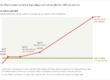
When lawmakers know the human and financial numbers behind child abuse, our politics will be able to treat it as the national emergency it is—not a niche social-services issue. When you add up what happens to abused and neglected children over a lifetime, the “domino effect” touches every system we claim to care about: schools, crime, taxes, public health, and public safety.
Every year, U.S. child protection agencies receive more than 4 million referrals involving about 7.8 million children—and that’s just what gets reported. Most of those children never make the news. Only a fraction are kept truly safe, and fewer still get the long‑term help they need to heal, finish school, find stable work, and parent safely.
We already know what happens when we fail them. Children who grow up with chronic abuse and neglect are much more likely to become teen parents without support, trapped in violent relationships, and struggling with addiction and mental illness. Their children, in turn, are born into homes shaped by fear, instability, and untreated trauma. Epigenetics and ACEs research tell us that severe adversity in childhood doesn’t just disappear at 18—it reshapes bodies and brains for decades, then shows up again in the next generation.

Safe Passage for Children of Minnesota has shown, in painful detail, what this looks like when the system fails outright. In Minnesota alone, they have documented more than 200 child maltreatment fatalities at the hands of their caregivers over the past decade, most of them under age three, while already known to Child Protective Services. These are not rare tragedies; they are predictable outcomes in a system that doesn’t measure what matters or act on what it learns.
Scale that up nationally, and the picture becomes staggering. A 12.21 JAMA review of adverse childhood experiences estimates that more than 439,000 U.S. deaths every year are associated with childhood adversity and abuse—from heart disease and lung disease to suicide and overdose. At the same time, we lose 100,000 people a year to drug overdoses, most of them adults who were severely abused or neglected as children. These are not separate crises; they are linked chapters in the same story.
Yet our child protection data systems behave as if child abuse begins and ends with a hotline call. We track intake and case closures, but not what lawmakers most need to see:
- How many children known to CPS later die from maltreatment—or die 20 years early from preventable, trauma‑related disease.
- How many go on to drop out, cycle through jails, develop substance use disorders, or lose their own children to the system.
- Which specific policies, practices, and local programs reduce those long‑term harms.
Safe Passage’s Minnesota work may be one of the few efforts in the country that has tried to follow these threads with real rigor, linking child fatalities to prior CPS involvement and system decisions. But one state‑level, privately funded project is not enough.
If we want to interrupt generational child abuse instead of just reacting to the worst cases, we have to start telling the full truth in numbers. That means building child protection data systems that:
- Follow the metrics of abused children over time.
- Connect CPS data to health, education, justice, and mortality data.
- Publicly report outcomes in ways legislators and the public can understand and act on.
Law and policy makers cannot fix what they cannot see. Without transparent, linked, and outcome‑focused metrics, it is impossible to design smart policy, target resources to the families most at risk, or hold systems accountable for preventable deaths and lifelong harm. Investing in real CPS transparency and long‑term metrics is not a technical upgrade; it is the foundation for any serious effort to stop generational child abuse and the human and fiscal crisis it creates.
Share this post widely (especially with your State Representative (find them here) Call them and let them know you want to support the wellbeing of children in your community.
Who represents me in the legislature?|Contact state house members|Contact state senators|Contact your member of congress| U.S. (National)
KARA Maintains this site with the hope that this information will compel you
to share our information with your lawmakers –
change won’t come without you.
KIDS AT RISK NONPROFIT EIN: 510570258
KIDS AT RISK ACTION / KARA / INVISIBLE CHILDREN
-
#ChildAbuse
-
#ChildProtection
-
#ChildWelfare
-
#GenerationalTrauma
-
#ACEs
-
#CPSReform
-
#CPSTransparency
-
#DataForGood
-
#PublicPolicy
-
#KidsDeserveBetter