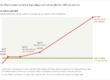
Child self‑harm and suicide don’t appear out of nowhere. They are tightly bound to child abuse, neglect, chronic trauma, and the very systems that are supposed to protect children. A growing body of research shows that maltreated children—especially those in foster care or with heavy Adverse Childhood Experiences (ACEs)—face dramatically higher risks of suicidal thoughts, self‑harm, and suicide attempts than their peers. If we care about youth suicide prevention, we cannot keep treating abuse, CPS involvement, and foster care as side notes. They are central to the story.
Foster care and child welfare: suicide risk hiding in plain sight
Studies of children in the U.S. child welfare system reveal startling levels of suicidality. One landmark study of 515 maltreated preadolescents (ages 9–11) entering foster care found that about one in four already had a history of suicidality: 16.6% reported suicidal ideation, 3.7% had attempted suicide, and 4.1% were imminently suicidal at the time of assessment. A broader review of children and adolescents in the child welfare system concludes that youth in care have far higher rates of suicidal behavior and attempts than those never involved with CPS.

The picture is even more troubling for youth aging out of care. California data on transition‑age foster youth show that about 24% had attempted suicide, versus roughly 2% of young adults in the general population, and 40% had seriously considered suicide compared with about 11% of their non‑foster peers. LGBTQ+ foster youth were 2–4 times more likely than other foster youth to consider or attempt suicide, reflecting the compounded impact of rejection, discrimination, and trauma. In other words, the very young people who have already endured abuse and removal from home are among the most likely to die by their own hand, and our systems still do not treat this as an urgent structural failure.
Childhood abuse, neglect, and the ACEs–suicide pipeline
A large meta‑analysis of 79 studies (over 337,000 participants) shows that childhood maltreatment—sexual, physical, emotional abuse and neglect—is powerfully associated with suicide attempts and suicidal ideation in youth and adults. Across diverse samples, maltreated individuals have roughly 2–3 times higher odds of thinking about or attempting suicide than those without such histories, with childhood sexual abuse in particular conferring very high risk.
The ACEs literature reinforces this pattern. Classic ACE studies demonstrate that with each additional adverse childhood experience (abuse, neglect, witnessing domestic violence, household substance use, incarceration, etc.), the odds of a lifetime suicide attempt jump by around 50–70%. More recent work using large cohorts shows that it’s not just the presence of trauma but the trajectory and intensity that matter. In the New South Wales Child Development Study, researchers followed over 73,000 Australian children and identified distinct patterns of adversity, including persistent high exposure to abuse, neglect, police contact, poverty, child protection involvement, and out‑of‑home care. Adolescents who had lived in these persistent high‑ACE trajectories were more than ten times more likely to report suicidal ideation or self‑harm than those with low adversity, and roughly 73% of teens with self‑harm thoughts had experienced high adversity at some point.
This is the pipeline: violence against children, compounded by systemic failure and removal, flows directly into elevated self‑harm and suicide risk. The numbers are not marginal; they are structural.
When the “safety net” adds risk
Child welfare systems are meant to protect children from violence, but the research shows that entering care often signals a risk spike, not an automatic path to safety. Youth in foster care carry clustered burdens: prior abuse, multiple placements, school disruption, mental‑health problems, stigma, and often ongoing instability. Studies comparing family structures find foster youth about four times more likely than youth in other family settings to have considered suicide in the past year.
At the same time, standard practice and funding structures rarely treat suicide risk in foster youth as a central design constraint. Suicide‑prevention resources and trauma‑informed care are unevenly integrated into foster care, kinship care, and residential programs, even though foster youth have much higher rates of suicidal behavior than their peers. The ACEs literature makes clear that every additional disruption and unaddressed trauma deepens risk, yet we still routinely rely on placement moves, institutional care, and under‑resourced mental‑health services to manage children who have already been hurt.
What needs to change
Taken together, these studies point toward specific, actionable shifts if we want to reduce self‑harm and suicide among abused and systems‑involved children:
-
Treat suicide risk as a core child welfare metric, not a side‑effect. Agencies should track suicidal ideation, attempts, and self‑harm among children in CPS and foster care as key outcomes, with transparent public reporting.
-
Build suicide‑prevention and trauma‑specific care into foster care by design. Evidence‑based interventions (e.g., DBT‑based approaches, trauma‑focused therapies, family‑based and multi‑systemic treatments) have measurable impact on self‑harm and suicidal thoughts; they must be routine offerings, not rare specialist services.
-
Invest heavily upstream in ACE and maltreatment prevention. The ACE and maltreatment meta‑analyses suggest that real suicide prevention starts with reducing abuse, neglect, and chronic family stress through income supports, housing, parenting and mental‑health services, and community‑based violence prevention.
-
Stabilize placements, prioritize kin, and reduce system‑induced trauma. Research on foster youth suicidality underscores the harm of repeated moves and institutionalization; prioritizing stable kinship placements and community‑based supports is suicide‑prevention work.
If we accept the data, then self‑harm and suicide among abused and foster youth are not tragic anomalies; they are predictable outputs of the way we structure our systems. That means they are also changeable.
Call to action
Our systems are producing outcomes the research has warned us about for years. Here’s what you can do:
-
Share this post with people who have influence—teachers, social workers, judges, CASAs, legislators, journalists, and community leaders.
-
Press your local and state child welfare agencies to track and publicly report suicide attempts, self‑harm, and serious ideation among children in CPS and foster care, and to adopt evidence‑based suicide‑prevention and trauma‑treatment programs as standard practice.
-
Support organizations led by people with lived experience of foster care and childhood trauma, especially those building community‑based alternatives, kinship‑support projects, and youth‑centered mental‑health services.
-
Contact your legislators and demand policies that reduce ACEs and maltreatment at their roots—child allowances, housing stability, accessible mental‑health and substance‑use treatment, and real support for struggling parents—so fewer children ever reach the point of self‑harm or suicide.
Children who have already been abused should
not have to fight their way through systems
that amplify their risk of dying by suicide.
The science is clear.
The question is whether we are willing to act on it.
KIDS AT RISK ACTION / KARA /INVISIBLECHILDREN
#ChildWelfare
#FosterCare
#ChildAbuse
#YouthSuicide
#SelfHarm
#TraumaInformed
#ACEs
#CPSReform
#ProtectKids
#MentalHealth